
Vascular Stent: What It Is, When It's Needed & Recovery
Learn when a vascular stent is needed, how it improves blood flow, and what to expect during recovery.
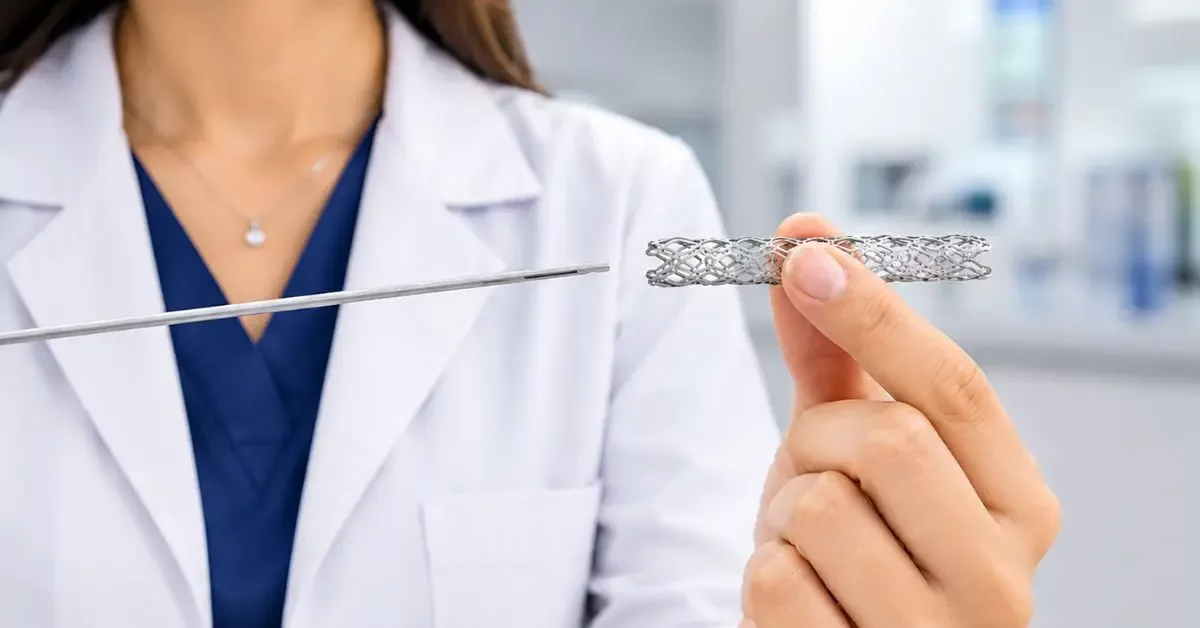
When an artery becomes narrowed or blocked, blood flow can be reduced, increasing the risk of serious cardiovascular complications. In these situations, one of the most effective treatments for restoring circulation is the placement of a vascular stent.
This minimally invasive procedure helps keep arteries open, improves blood flow, and reduces the risk of complications such as heart attacks, chest pain, and circulation problems.
Understanding what a vascular stent is, when it may be needed, and what recovery involves can help patients feel more informed and confident about their cardiovascular care.
What Is a Vascular Stent?A vascular stent is a small mesh tube designed to keep a narrowed or blocked artery open.
Stents are most commonly placed during a procedure called angioplasty, in which a specialist guides a thin catheter through a blood vessel to reach the affected artery.
Once the narrowed area is identified, a small balloon is inflated to widen the artery. The stent is then positioned to help maintain blood flow and prevent the artery from narrowing again.
There are different types of stents, including:
- Bare-metal stents.
- Drug-eluting stents.
- Specialized stents designed for specific arteries.
Your cardiovascular specialist will determine the most appropriate option based on your individual condition and medical history.
When Is a Vascular Stent Needed?A vascular stent may be recommended when an artery becomes significantly narrowed, restricting blood flow to the heart or other parts of the body.
Common conditions that may require a stent include:
Coronary Artery DiseaseCoronary artery disease occurs when the arteries that supply blood to the heart become narrowed due to plaque buildup, cholesterol deposits, or atherosclerosis.
Peripheral Artery Disease (PAD)Peripheral artery disease affects blood flow to the legs and feet, often causing pain while walking, poor circulation, and delayed wound healing.
AnginaPersistent chest pain or pressure caused by reduced blood flow to the heart may be treated with angioplasty and stent placement.
Heart AttackIn many cases, emergency stent placement can quickly restore blood flow and reduce damage to the heart muscle during a heart attack.
Symptoms of a Blocked ArterySymptoms vary depending on the artery involved, but common warning signs include:
- Chest pain or pressure.
- Shortness of breath.
- Fatigue during physical activity.
- Leg pain while walking.
- Coldness in the arms or legs.
- Weakness or numbness.
- Reduced exercise tolerance.
If you experience any of these symptoms, it is important to seek medical evaluation promptly.
How Is a Vascular Stent Placed?Vascular stent placement is considered a minimally invasive procedure and typically does not require open surgery.
During the procedure:
- Local anesthesia and, in some cases, mild sedation are administered.
- A catheter is inserted through an artery, usually in the wrist or groin.
- Using real-time imaging, the specialist guides the catheter to the blocked artery.
- A small balloon is inflated to expand the narrowed area.
- The stent is positioned to keep the artery open.
- The catheter is removed, and blood flow is evaluated.
The procedure generally takes between 30 minutes and 2 hours, depending on the complexity of the case.
Benefits of Vascular Stent PlacementStent placement offers several important benefits for cardiovascular health.
These include:
- Improved blood circulation.
- Relief of symptoms such as chest pain.
- Reduced risk of heart attack.
- Faster recovery compared to open surgery.
- Shorter hospital stays.
- Improved quality of life.
For many patients, a stent can significantly improve daily function and overall well-being.
What Is Recovery Like After a Stent?Recovery is usually quicker than recovery from traditional heart surgery.
Many patients are able to return to normal daily activities within a few days, depending on their overall health and their physician’s recommendations.
During recovery, patients are typically advised to:
- Follow all medical instructions carefully.
- Take prescribed medications as directed.
- Avoid strenuous activities for several days.
- Follow a heart-healthy diet.
- Avoid smoking.
- Manage risk factors such as high blood pressure, diabetes, and high cholesterol.
Regular follow-up appointments are important to monitor long-term cardiovascular health.
How Long Does a Stent Last?Most vascular stents are designed to remain permanently inside the artery.
However, long-term success depends largely on controlling cardiovascular risk factors and maintaining healthy lifestyle habits.
Following your treatment plan, staying physically active, eating a balanced diet, and attending regular medical checkups can help reduce the risk of future artery blockages.
Are There Risks or Complications?Like any medical procedure, vascular stent placement carries some risks. Fortunately, serious complications are uncommon when the procedure is performed by experienced specialists.
Potential risks include:
- Bleeding at the catheter insertion site.
- Allergic reactions to contrast dye.
- Blood clot formation.
- Restenosis (re-narrowing of the artery).
- Heart rhythm abnormalities.
Your cardiologist will carefully evaluate your individual risk factors before recommending treatment.
Why Early Cardiovascular Care MattersCardiovascular disease remains one of the leading causes of death worldwide. Early detection and treatment of arterial blockages can help prevent serious complications and improve long-term health outcomes.
Vascular stent placement is an effective treatment that can restore circulation, relieve symptoms, and help protect the heart and other vital organs.
Specialized Cardiology Care in Los CabosIf you are experiencing symptoms such as chest pain, shortness of breath, poor circulation, or have cardiovascular risk factors, an early evaluation can make a significant difference.
At BlueNetHospitals, our Cardiology specialists provide comprehensive cardiovascular care, including angioplasty and vascular stent procedures tailored to each patient's needs.
📲 Schedule Your Medical Evaluation in Los Cabos:
+52 (624) 151 0693
Taking care of your heart today can help protect your health for years to come.
Frequently Asked Questions - FAQs
1. What is a vascular stent?
A vascular stent is a small mesh tube placed inside an artery to keep it open and improve blood flow.
No. It is a minimally invasive procedure performed through catheterization and usually does not require open surgery.
3. How long does recovery take after a stent procedure?Most patients can return to many normal activities within a few days, although recovery varies depending on the individual and the procedure performed.
4. Does a stent cure heart disease?No. A stent improves blood flow, but ongoing management of cardiovascular risk factors remains essential.
5. How long does a stent stay in the body?Most stents are designed to remain permanently inside the artery.
6. When should I see a cardiologist?You should seek medical evaluation if you experience chest pain, shortness of breath, leg pain while walking, poor circulation, or other symptoms that may indicate cardiovascular disease.






Trending Topics
Stroke: Symptoms, Causes & Treatment
Learn how to recognize stroke symptoms, understand its causes, and why emergency treatment can save brain function and lives.
Varicocele
Symptoms, Causes, Diagnosis, and Treatment to Protect Men's Health
Pregnancy infections (TORCH)
Risks, testing, and prevention
Anemia in Women of Reproductive Age
Symptoms, Causes, and Prevention
Health Library
Cardiology
Learn more about:
- Cardiomyopathy
- Cardiac Arrhythmia
- Echocardiogram
- Pacemaker Application
- Thoracic Aortic Aneurysm: Symptoms, Risk Factors, and Treatment Options
- Congestive Heart Failure
- Tachycardia: Symptoms, Causes, Diagnosis and Treatment for a Rapid Heart Rate
- Pulmonary Edema: Symptoms, Diagnosis and Treatment
- Coronary Artery Disease
- Hypertension
- Acute Coronary Syndrome: Warning Signs and Emergency Cardiac Care in Los Cabos
- Angina: Symptoms, Causes, Diagnosis and Treatment
- Cardiac Arrest
- Congenital Heart Disease: Symptoms, Diagnosis and Treatment
- Endocarditis
- Pericarditis
- Valvulopathies
- Dyslipidemia
- Heart Attack
- Hyperlipidemia
- Atherosclerosis
- Angioplasty
- Kawasaki Syndrome
- Myocarditis
- Cardiac Catheterization: Diagnosis, Treatment and Risks
- Heart Murmurs: Symptoms, Causes, Diagnosis and Treatment
- Extrasystoles
- Cardiac Ablation: Benefits, Risks and Recovery
- Deep Vein Thrombosis (DVT): Symptoms, Causes & Treatment
- Do You Need an Appointment with a Specialist?
- call us
- write us
- let's talk

