
Stroke: Symptoms, Causes & Treatment
Learn how to recognize stroke symptoms, understand its causes, and why emergency treatment can save brain function and lives.

Many people use the term stroke to describe any sudden brain emergency. Medically, however, a stroke—also known as a cerebrovascular accident (CVA)—includes two main types: ischemic stroke, caused by a blocked artery (often referred to as a brain infarction), and hemorrhagic stroke, caused by bleeding in or around the brain. Both are life-threatening medical emergencies that require immediate treatment.
A stroke is one of the leading causes of death and long-term disability worldwide. Every minute without treatment can result in the loss of millions of brain cells, making rapid recognition and emergency medical care essential to improving survival and reducing permanent neurological damage.
Although strokes are more common in older adults, they can occur at any age, especially in people with high blood pressure, diabetes, heart disease, smoking history, obesity, or a family history of cerebrovascular disease.
At BlueNetHospitals Los Cabos, our Neurosurgery specialists work alongside Neurology, Emergency Medicine, Interventional Radiology, and Rehabilitation teams to provide comprehensive, evidence-based stroke care.
What Is a Stroke?A stroke, or cerebrovascular accident (CVA), occurs when blood flow to part of the brain is interrupted or when a blood vessel ruptures, depriving brain tissue of oxygen and nutrients.
Without adequate blood supply, brain cells begin to die within minutes, potentially affecting speech, movement, memory, vision, balance, and other vital functions.
Immediate medical attention is critical because early treatment can significantly improve recovery and reduce long-term disability.
Types of StrokeIschemic Stroke (Brain Infarction)
An ischemic stroke accounts for approximately 85% of all strokes.
It occurs when an artery supplying blood to the brain becomes blocked by a blood clot or narrowed due to fatty deposits (atherosclerosis). Because blood flow is reduced or completely interrupted, brain tissue begins to die.
Rapid treatment to restore circulation can dramatically improve outcomes.
Hemorrhagic StrokeA hemorrhagic stroke occurs when a weakened blood vessel ruptures, causing bleeding inside or around the brain.
The bleeding increases pressure within the skull and damages surrounding brain tissue.
Although less common than ischemic strokes, hemorrhagic strokes are often more severe and frequently require emergency neurosurgical treatment.
What Causes a Stroke?Several medical conditions and lifestyle factors increase the risk of stroke.
The most important risk factors include:
- High blood pressure (hypertension)
- Diabetes
- High cholesterol
- Heart disease, especially atrial fibrillation
- Atherosclerosis
- Smoking
- Obesity
- Physical inactivity
- Excessive alcohol consumption
- Illegal drug use
- Obstructive sleep apnea
- Family history of stroke
- Older age
Among all risk factors, high blood pressure remains the leading preventable cause of stroke.
Stroke SymptomsStroke symptoms usually appear suddenly and should never be ignored.
Common warning signs include:
- Sudden weakness or numbness on one side of the body
- Facial drooping
- Difficulty speaking or understanding speech
- Slurred speech
- Sudden blurred vision or vision loss
- Severe dizziness
- Difficulty walking
- Loss of balance or coordination
- A sudden, severe headache with no known cause
If you or someone around you develops any of these symptoms, seek emergency medical care immediately.
Remember the FAST RuleOne of the easiest ways to recognize a stroke is the FAST method:
F – Face: Does one side of the face droop?
A – Arms: Can both arms be raised, or does one drift downward?
S – Speech: Is speech slurred or difficult to understand?
T – Time: Call emergency medical services immediately.
Early treatment saves brain tissue and lives.
How Is a Stroke Diagnosed?Rapid diagnosis helps determine whether the stroke is ischemic or hemorrhagic and guides treatment decisions.
Your healthcare team may perform:
- Neurological examination
- Brain CT scan
- Brain MRI
- Cerebral angiography
- Carotid ultrasound
- Echocardiogram
- Electrocardiogram (ECG)
- Blood tests
These evaluations help identify the cause of the stroke and determine the most appropriate treatment.
Stroke TreatmentTreatment depends on the type of stroke.
Treatment for Ischemic StrokeThe primary goal is to restore blood flow to the brain as quickly as possible.
Treatment options may include:
- Intravenous thrombolytic medication (clot-busting therapy)
- Mechanical thrombectomy
- Endovascular procedures
- Angioplasty
- Carotid artery stenting
- Carotid endarterectomy
Prompt treatment significantly increases the chances of recovery.
Treatment for Hemorrhagic StrokeTreatment focuses on stopping the bleeding, reducing pressure inside the brain, and preventing further damage.
Depending on the cause, treatment may include:
- Medications to reduce intracranial pressure
- Reversal of anticoagulant medications
- Surgical evacuation of brain hemorrhage
- Aneurysm repair
- Endovascular embolization (coiling)
- Surgical clipping
- Surgery for arteriovenous malformations (AVMs)
- Stereotactic radiosurgery in selected patients
Treatment is individualized according to each patient's condition.
Stroke RehabilitationMany stroke survivors benefit from comprehensive rehabilitation to regain independence and improve quality of life.
Rehabilitation may include:
- Physical therapy
- Occupational therapy
- Speech and language therapy
- Cognitive rehabilitation
- Psychological support
Recovery depends on the severity of the stroke, the affected brain region, and how quickly treatment was initiated.
Can Stroke Be Prevented?Yes. Many strokes can be prevented by managing risk factors and adopting healthy lifestyle habits.
Preventive measures include:
- Controlling blood pressure
- Managing diabetes
- Lowering cholesterol
- Following a heart-healthy diet
- Maintaining a healthy weight
- Exercising regularly
- Avoiding tobacco products
- Limiting alcohol consumption
- Treating obstructive sleep apnea
- Attending regular medical checkups
Preventive care remains the most effective strategy for reducing stroke risk.
When Should You See a Neurosurgeon?A Neurosurgeon may become involved in the care of patients with hemorrhagic stroke, brain aneurysms, vascular malformations, or other neurological conditions requiring surgery.
However, if you experience stroke symptoms, do not wait to schedule an appointment.
Stroke is a medical emergency. Go immediately to the nearest Emergency Department or call emergency medical services. Early treatment can save brain tissue, preserve neurological function, and improve long-term outcomes.
Schedule an Appointment with a Neurosurgery SpecialistAt BlueNetHospitals Los Cabos, our experienced Neurosurgery specialists collaborate with Neurology, Emergency Medicine, Interventional Radiology, and Rehabilitation teams to provide comprehensive stroke diagnosis, treatment, and long-term care.
If you have high blood pressure, diabetes, heart disease, a family history of stroke, or would like a specialized evaluation of your cerebrovascular health, schedule a consultation with one of our experts.
📲 Schedule your appointment today by WhatsApp at +52 (624) 151 0693.
🚑 If you experience sudden weakness, facial drooping, difficulty speaking, sudden vision loss, severe headache, or any symptoms of a stroke, seek emergency medical care immediately or call our ambulance service at +52 (624) 104 3911.
Frequently Asked Questions1. What is the difference between a stroke and a brain infarction?
A stroke is the general medical term for a cerebrovascular accident. There are two main types: ischemic stroke, also called a brain infarction, which occurs when blood flow is blocked, and hemorrhagic stroke, which occurs when a blood vessel ruptures and causes bleeding in or around the brain.
2. What are the first warning signs of a stroke?Common early symptoms include sudden facial drooping, weakness or numbness on one side of the body, difficulty speaking, blurred vision, loss of balance, dizziness, and a severe headache that develops suddenly.
3. Can a stroke be prevented?Many strokes can be prevented by controlling blood pressure, diabetes, and cholesterol, maintaining a healthy weight, exercising regularly, avoiding smoking, limiting alcohol intake, and attending routine medical checkups.
4. How quickly should stroke treatment begin?Treatment should begin as soon as possible. Immediate medical care greatly improves the chances of survival, reduces brain damage, and increases the likelihood of a successful recovery.
5. What tests are used to diagnose a stroke?Physicians commonly use brain CT scans, MRI, neurological examinations, cerebral angiography, carotid ultrasound, ECG, echocardiography, and blood tests to determine the type and cause of a stroke.
6. What specialists treat stroke?Stroke care is provided by a multidisciplinary team that may include Emergency Medicine physicians, Neurologists, Neurosurgeons, Interventional Neuroradiologists, Intensive Care specialists, and Rehabilitation professionals. A Neurosurgeon plays a critical role in treating patients with brain hemorrhages, aneurysms, vascular malformations, and other conditions that require surgical intervention.
Health Library
Neurosurgery


Lower Back Pain (Lumbalgia): Symptoms, Causes & Treatment Options
Lower back pain can affect mobility, daily activities, and quality of life. Learn about the most common causes, symptoms, and treatment options for chronic and acute low back pain.
Lumbar Spinal Stenosis
Lumbar spinal stenosis occurs when there is a narrowing of the space within the spinal column.
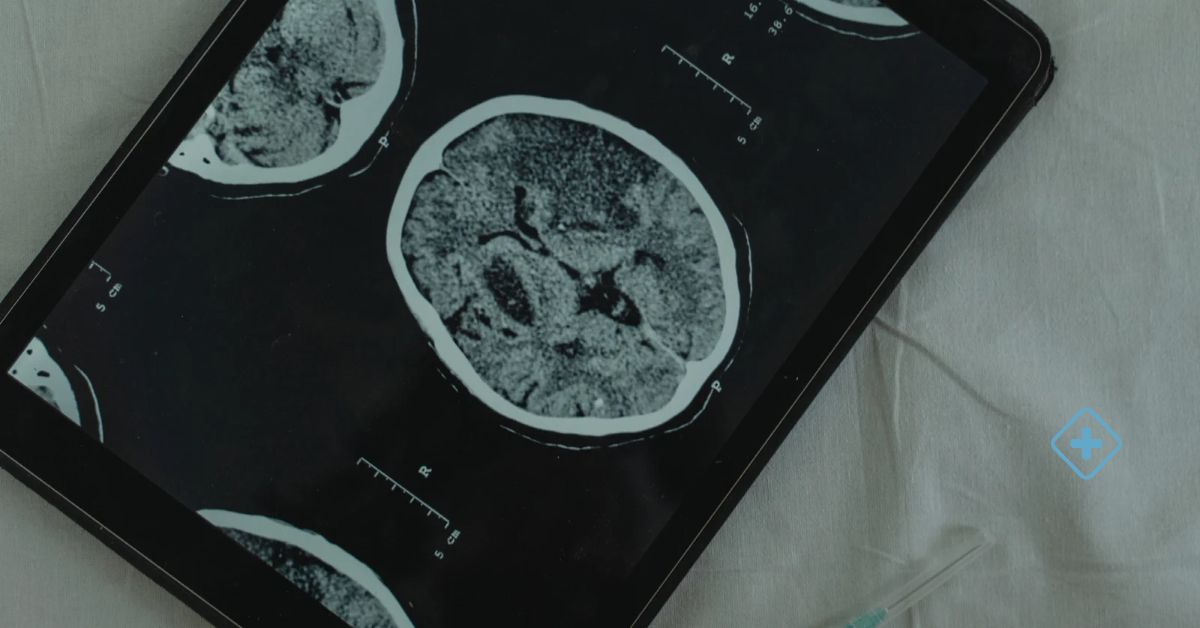
Stroke
A stroke, is a medical condition that occurs when blood flow to the brain is suddenly interrupted.
Hydrocephalus
Causes, Symptoms, Diagnosis and Treatment. Schedule your Appointment Today.
- Do You Need an Appointment with a Specialist?
- call us
- write us
- let's talk

