
Lower Back Pain (Lumbalgia): Symptoms, Causes & Treatment Options
Lower back pain can affect mobility, daily activities, and quality of life. Learn about the most common causes, symptoms, and treatment options for chronic and acute low back pain.
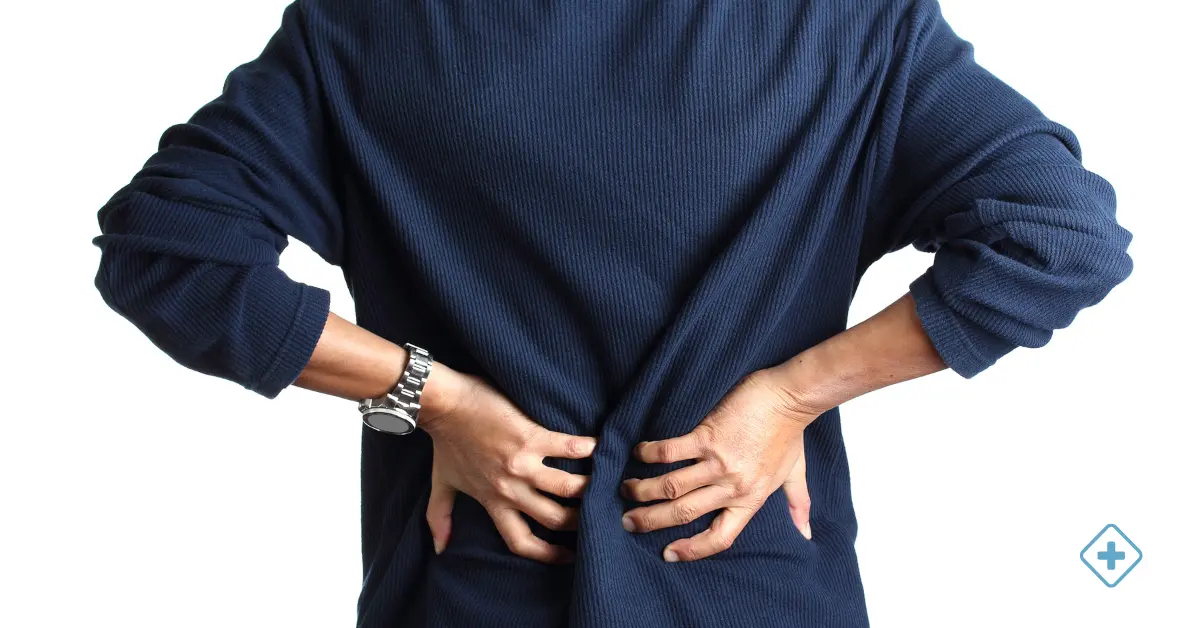
Low back pain, also known as lumbalgia, is one of the most common reasons people seek medical care and one of the leading causes of physical limitation in adults.
Many people describe it as a constant ache in the lower back, stiffness when getting out of bed, or pain that worsens after sitting for long periods, lifting heavy objects, or making certain movements.
While some cases improve with rest and basic care, others can become persistent and significantly affect daily activities and quality of life.
In this article, you’ll learn what low back pain is, its most common causes, when to see a specialist, and the treatment options available to help relieve pain and restore mobility.
What Is Low Back Pain (Lumbalgia)?Lumbalgia refers to pain located in the lumbar region of the spine, commonly known as the lower back.
This area includes:
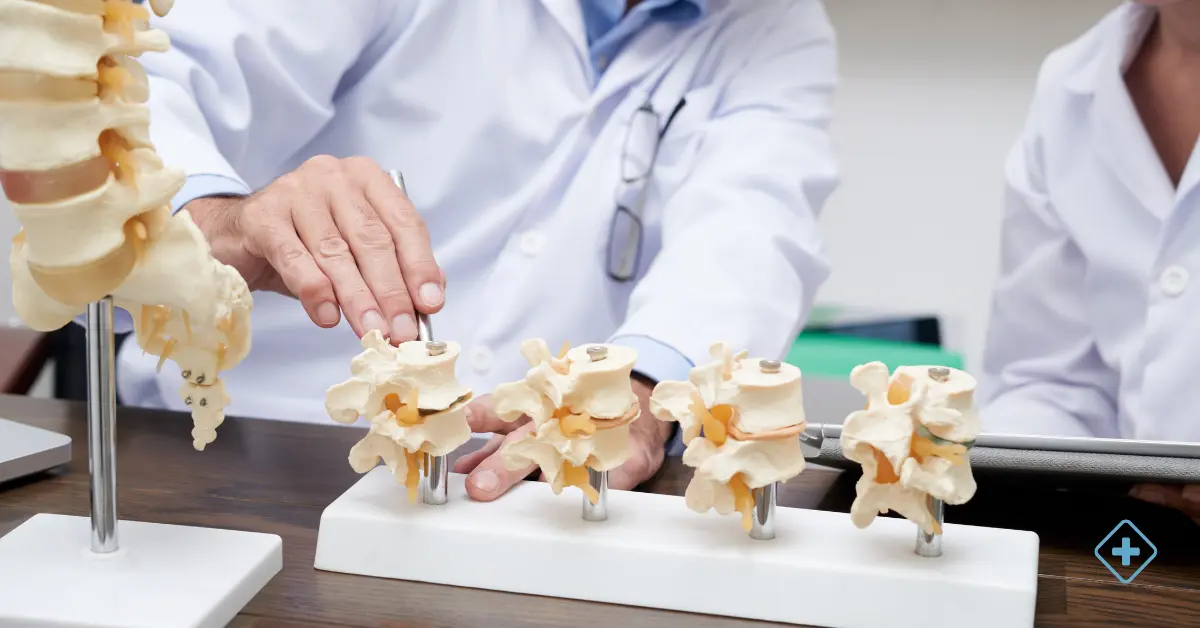
- Lumbar vertebrae (L1 to L5)
- Intervertebral discs
- Muscles
- Ligaments
- Spinal nerves
The pain may appear suddenly or develop gradually over time. Some people experience mild, temporary discomfort, while others develop severe pain that interferes with everyday activities.
Common Causes of Low Back PainLower back pain can have many different causes. Some are related to muscle strain, while others involve the spine, discs, or nerves.
Muscle or Ligament StrainThis is one of the most common causes of low back pain.
It can happen due to:
- Heavy lifting
- Sudden movements
- Poor posture
- Physical overexertion
- Sports injuries
These injuries can lead to inflammation, muscle tension, and lower back pain.
Herniated DiscA herniated disc occurs when part of an intervertebral disc presses against nearby spinal nerves.
In addition to lower back pain, symptoms may include:
- Pain radiating down the leg
- Tingling sensations
- Numbness
- Muscle weakness
Many people refer to this type of pain as sciatica.
Degenerative Disc DiseaseAs people age, spinal discs can lose flexibility and cushioning.
This may cause:
- Lower back stiffness
- Pain with movement
- Discomfort after sitting for long periods
- Reduced mobility
Although more common in older adults, younger people can also develop early disc degeneration.
Spinal StenosisSpinal stenosis occurs when the spinal canal narrows and places pressure on the nerves.
Symptoms may include:
- Lower back pain
- Pain while walking
- Leg weakness
- Numbness or tingling
This condition happens when one vertebra slips over another, affecting spinal stability.
It may cause:
- Persistent lower back pain
- Stiffness
- Radiating pain
- Difficulty with certain movements
Several other health conditions may contribute to low back pain, including:
- Osteoarthritis
- Osteoporosis
- Fibromyalgia
- Scoliosis
- Inflammatory disorders
That’s why it’s important to receive a proper medical evaluation instead of relying solely on self-treatment.
Common Symptoms of Low Back PainSymptoms vary depending on the underlying cause and severity of the condition.
Pain in the Lower BackThis is the main symptom.
People may describe it as:
- Constant aching
- Burning pain
- Pressure
- Sharp discomfort
- Pain that worsens with movement
Many patients experience difficulty:
- Standing up
- Bending forward
- Walking
- Sitting for long periods
The lower back may feel tight or locked.
Pain Radiating to the Legs or ButtocksWhen nerves are involved, pain may spread to:
- Buttocks
- Legs
- Calves
- Feet
Some patients also experience tingling or numbness.
Muscle WeaknessMore severe cases may lead to leg weakness or difficulty walking.
When Should You See a Specialist?While some episodes of low back pain improve within a few days, certain symptoms require medical attention.
You should see a specialist if:
- Pain lasts longer than two weeks
- Pain progressively worsens
- You have difficulty walking
- Pain radiates down the legs
- You experience numbness or weakness
- Pain develops after a fall or accident
- You have fever or unexplained weight loss
- You lose bladder or bowel control
These symptoms may indicate a more serious spinal condition that requires immediate evaluation.
Specialists Who Treat Low Back PainDepending on the cause of your symptoms, different specialists may be involved in your care.
Orthopedics and TraumatologyOrthopedic specialists evaluate muscle injuries, spinal conditions, joint degeneration, and structural problems affecting the spine.
NeurosurgeryWhen nerve compression, severe disc herniation, or complex spinal disorders are involved, a neurosurgeon may recommend advanced treatment options.
Pain Management SpecialistsFor chronic low back pain, pain management specialists can help reduce symptoms and improve quality of life through specialized treatments.
Treatment Options for Low Back PainTreatment depends on the underlying cause, severity of symptoms, and each patient’s condition.
MedicationsSome medications may help reduce:
- Inflammation
- Pain
- Muscle spasms
These should always be used under medical supervision.
Physical Therapy and RehabilitationPhysical therapy can help:
- Strengthen muscles
- Improve posture
- Restore mobility
- Reduce muscle tension
For many patients, rehabilitation is an essential part of recovery.
Self-Care MeasuresHelpful recommendations may include:
- Avoiding heavy lifting
- Maintaining proper posture
- Applying heat therapy
- Avoiding prolonged bed rest
- Performing doctor-recommended exercises
Some patients may benefit from:
- Pain-relief injections
- Nerve blocks
- Interventional pain treatments
- Spine surgery
Surgery is usually considered when significant nerve compression or severe structural damage is present.
Specialized Care for Low Back Pain in Los CabosAt BlueNetHospitals, we provide specialized care for patients with low back pain, spinal conditions, and chronic pain disorders.
Our medical team includes specialists in:
- Orthopedics and Traumatology
- Neurosurgery
- Pain Management
- Physical Rehabilitation
We offer personalized treatment plans focused on relieving pain, restoring mobility, and improving quality of life.
📲 Schedule your medical evaluation in Los Cabos
+52 (624) 151 0693
Low back pain can have many causes and does not always improve on its own. Identifying the source of the problem and receiving timely medical care can help prevent complications and support long-term recovery.
At BlueNetHospitals, we provide comprehensive care for patients experiencing low back pain, chronic pain, and spinal conditions in Los Cabos.Frequently Asked Questions About Low Back Pain
1. What causes low back pain?
The most common causes include muscle strain, herniated discs, spinal degeneration, poor posture, and nerve compression.
2. Can low back pain radiate down the legs?Yes. When spinal nerves are affected, pain may spread to the buttocks, legs, or feet.
3. When should I worry about lower back pain?You should seek medical attention if pain lasts several weeks, limits your mobility, causes weakness, or is accompanied by numbness, fever, or bladder problems.
4. What type of doctor treats low back pain?Depending on the cause, treatment may involve orthopedic specialists, neurosurgeons, physical rehabilitation physicians, or pain management specialists.
5. Can low back pain be cured?Many cases improve with proper treatment, physical therapy, and posture correction. Some patients may require long-term management.
6. Does walking help relieve low back pain?In many cases, moderate physical activity can help, although exercise recommendations should always depend on the cause of the pain.
7. Is bed rest recommended for low back pain?Prolonged bed rest is generally not recommended because it may worsen stiffness and muscle weakness.
8. When is spine surgery necessary?Surgery may be considered in severe cases involving significant disc herniation, nerve compression, or loss of muscle strength.

Cavernoma
A cavernoma, also known as cerebral cavernous malformation, is a congenital vascular abnormality in the brain or spinal cord.
Lumbar Spinal Stenosis
Lumbar spinal stenosis occurs when there is a narrowing of the space within the spinal column.
Stroke
A stroke, is a medical condition that occurs when blood flow to the brain is suddenly interrupted.
Hydrocephalus
Causes, Symptoms, Diagnosis and Treatment. Schedule your Appointment Today.
- Do You Need an Appointment with a Specialist?
- call us
- write us
- let's talk

