
Cardiac Catheterization: Diagnosis, Treatment and Risks
Learn how this procedure evaluates the coronary arteries and helps doctors diagnose and treat a range of cardiovascular conditions.
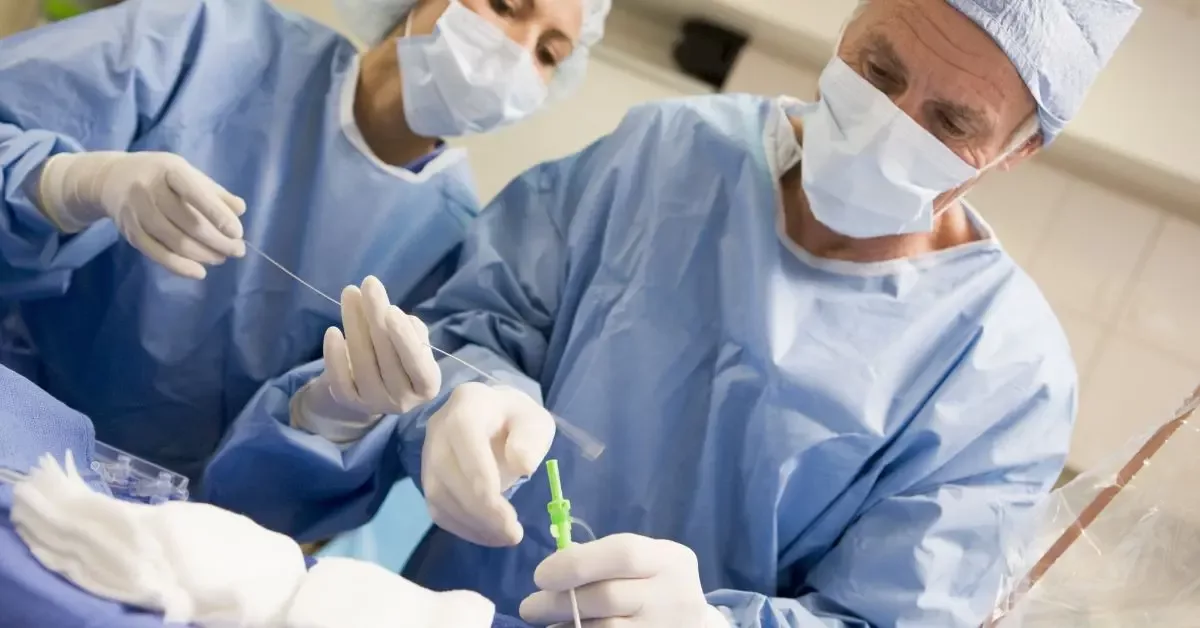
Cardiac catheterization is one of the most important procedures in modern cardiovascular medicine. It allows physicians to diagnose and treat a wide range of heart and blood vessel conditions using minimally invasive techniques that provide detailed information about the structure and function of the cardiovascular system.
Through cardiac catheterization, specialists can evaluate coronary arteries, measure pressures inside the heart, assess heart valve function, identify congenital heart defects, and perform treatments such as coronary angioplasty and stent placement when necessary.
Understanding how cardiac catheterization works, when it is recommended, and what to expect before and after the procedure can help patients feel more informed and confident about their cardiovascular care.
What Is Cardiac Catheterization?Cardiac catheterization is a minimally invasive medical procedure used to diagnose and treat cardiovascular diseases.
During the procedure, a thin, flexible tube called a catheter is inserted into a blood vessel, typically through the wrist, groin, or neck, and carefully guided toward the heart.
Once the catheter reaches the heart or coronary arteries, physicians can evaluate blood flow, measure pressures, assess cardiac function, and obtain highly detailed images using a contrast dye and specialized X-ray imaging known as coronary angiography.
Cardiac catheterization is considered one of the most accurate methods for diagnosing coronary artery disease and other heart conditions.
Why Is Cardiac Catheterization Performed?Cardiac catheterization provides valuable information that helps physicians diagnose heart disease and determine the most effective treatment plan.
The procedure may be recommended for evaluating or treating:
Coronary Artery DiseaseOne of the most common reasons for cardiac catheterization is identifying narrowed or blocked coronary arteries that may reduce blood flow to the heart muscle.
Heart FailureThe procedure can help assess cardiac function and determine the severity of heart failure.
Heart Valve DiseaseCardiac catheterization may be used to evaluate heart valves and measure pressures within the heart chambers.
Congenital Heart DefectsThe procedure can identify structural abnormalities present since birth.
Coronary Microvascular DiseaseIn some cases, cardiac catheterization helps evaluate abnormalities affecting the heart's smaller blood vessels.
What Can Cardiac Catheterization Detect?Cardiac catheterization allows physicians to gather detailed information about:
- Coronary artery blockages
- Blood flow through the heart
- Heart chamber pressures
- Heart valve function
- Congenital heart defects
- Heart muscle performance
- Pulmonary circulation
- Structural heart abnormalities
The information obtained during the procedure often helps guide treatment decisions and long-term cardiovascular care.
When Is Cardiac Catheterization Recommended?A Cardiologist may recommend cardiac catheterization if a patient experiences symptoms or test results suggesting significant cardiovascular disease.
Common reasons include:
- Chest pain or angina
- Shortness of breath
- Abnormal stress test results
- Suspected coronary artery disease
- Heart attack evaluation
- Heart failure
- Valve disorders
- Congenital heart disease
- Unexplained cardiovascular symptoms
In some cases, cardiac catheterization serves both diagnostic and therapeutic purposes during the same procedure.
Who Performs Cardiac Catheterization?Cardiac catheterization is performed by an Interventional Cardiologist, a physician with specialized training in minimally invasive cardiovascular procedures.
The procedure is typically supported by a multidisciplinary team that may include:
- Interventional Cardiologists
- Cardiac nurses
- Catheterization laboratory technicians
- Anesthesia specialists when necessary
Cardiac catheterization is generally considered safe and is performed routinely worldwide.
However, as with any invasive procedure, certain risks exist.
Potential complications may include:
- Bleeding
- Bruising at the insertion site
- Blood clots
- Damage to blood vessels
- Cardiac arrhythmias
- Allergic reactions to contrast dye
- Infection
- Kidney injury related to contrast agents
- Heart attack
- Stroke
Serious complications are uncommon, and for most patients, the benefits of the procedure significantly outweigh the risks.
How Is Cardiac Catheterization Performed?Before the Procedure
Before cardiac catheterization, the medical team conducts a comprehensive evaluation.
This may include:
- Reviewing medical history
- Assessing current medications
- Performing blood tests
- Evaluating kidney function
- Reviewing allergies
- Monitoring blood pressure and heart rate
Patients may be instructed to avoid eating or drinking for several hours before the procedure.
During the ProcedureCardiac catheterization is performed in a specialized facility called a cardiac catheterization laboratory or cardiac cath lab.
The procedure typically involves:
- Placement of an intravenous (IV) line.
- Administration of medications for relaxation when needed.
- Local anesthesia at the insertion site.
- Insertion of the catheter through the wrist, groin, or neck.
- Navigation of the catheter to the heart using real-time imaging guidance.
- Injection of contrast dye to visualize the coronary arteries and cardiac structures.
The procedure generally lasts between 30 minutes and two hours, depending on the complexity of the case.
Coronary Angiography During Cardiac CatheterizationOne of the most common components of cardiac catheterization is coronary angiography.
This imaging study allows physicians to identify:
- Coronary artery blockages
- Narrowed blood vessels
- Reduced blood flow to the heart muscle
Coronary angiography plays a critical role in diagnosing coronary artery disease and planning treatment.
Coronary Angioplasty and Stent PlacementIf a significant blockage is discovered during cardiac catheterization, treatment may be performed immediately.
Coronary AngioplastyAngioplasty uses a small balloon to open narrowed arteries and restore blood flow.
Coronary Stent PlacementA coronary stent is a small mesh tube placed inside the artery to help keep it open after angioplasty.
Performing treatment during the same procedure often reduces the need for additional interventions.
Recovery After Cardiac CatheterizationFollowing the procedure, patients remain under observation while the medical team monitors recovery.
During this period:
- Vital signs are checked regularly.
- The insertion site is monitored.
- Bleeding is evaluated.
- Recovery from sedation is assessed.
Many patients return home the same day, while others may require overnight observation depending on their condition and whether additional treatment was performed.
Mild symptoms after the procedure may include:
- Minor bruising
- Mild soreness
- Temporary fatigue
Patients should contact their physician if they experience:
- Excessive bleeding
- Significant swelling
- Increasing pain
- Fever
- Shortness of breath
Cardiac catheterization offers several important advantages.
Accurate DiagnosisThe procedure provides detailed information that cannot always be obtained through noninvasive testing.
Immediate Treatment OptionsWhen blockages are identified, angioplasty and stent placement can often be performed during the same procedure.
Minimally Invasive ApproachCompared with open-heart surgery, cardiac catheterization generally requires smaller incisions and shorter recovery times.
Faster RecoveryMost patients experience rapid recovery and can return to normal activities relatively quickly.
When Should You See a Cardiologist?Schedule an appointment with a Cardiologist if you experience:
- Chest pain
- Pressure or discomfort in the chest
- Shortness of breath
- Unexplained fatigue
- Palpitations
- Dizziness
- Family history of heart disease
- Multiple cardiovascular risk factors
Early evaluation may help detect cardiovascular disease before serious complications occur.
Specialized Cardiac Catheterization in Los CabosEarly diagnosis of cardiovascular disease can help prevent heart attacks, heart failure, and other serious complications.
📲 Schedule your medical evaluation in Los Cabos:
+52 (624) 151 0693
At BlueNetHospitals, our Interventional Cardiology team provides advanced cardiac catheterization, coronary angiography, coronary angioplasty, and comprehensive cardiovascular care using state-of-the-art technology and personalized treatment plans.
Frequently Asked Questions About Cardiac Catheterization1. What is cardiac catheterization?
Cardiac catheterization is a minimally invasive procedure used to diagnose and treat heart and blood vessel conditions by inserting a catheter into the cardiovascular system.
2. Why would someone need cardiac catheterization?It may be recommended to evaluate chest pain, coronary artery disease, heart failure, valve disorders, congenital heart defects, or abnormal cardiovascular test results.
3. Is cardiac catheterization painful?Most patients experience minimal discomfort because local anesthesia and medications are used during the procedure.
4. How long does cardiac catheterization take?The procedure typically lasts between 30 minutes and two hours, depending on the complexity of the case.
5. What are the risks of cardiac catheterization?Potential risks include bleeding, infection, arrhythmias, blood vessel injury, kidney complications, heart attack, and stroke, although serious complications are uncommon.
6. What is the difference between cardiac catheterization and coronary angiography?Cardiac catheterization refers to the overall procedure, while coronary angiography is one diagnostic test performed during catheterization to visualize coronary arteries.
7. Can a stent be placed during cardiac catheterization?Yes. If a significant blockage is identified, angioplasty and coronary stent placement can often be performed immediately.
8. How long is recovery after cardiac catheterization?Many patients recover within a few days and may return home the same day, depending on the procedure performed.
9. Which specialist performs cardiac catheterization?An Interventional Cardiologist performs cardiac catheterization and related procedures.
10. Is cardiac catheterization safe?Yes. Cardiac catheterization is widely considered a safe and effective procedure when performed by experienced cardiovascular specialists.





Cardiac Ablation: Benefits, Risks and Recovery
Learn how cardiac ablation treats arrhythmias such as atrial fibrillation, its potential risks, and what to expect during recovery.
Extrasystoles
Ventricular extrasystoles may not present symptoms; in other cases, they may cause unpleasant or alarming sensations.
Heart Murmurs: Symptoms, Causes, Diagnosis and Treatment
Heart murmurs are abnormal sounds heard during a heartbeat as blood flows through the heart valves or chambers. Learn about symptoms, causes, diagnosis, treatment options, and when a heart murmur may signal an underlying cardiovascular condition.
Myocarditis
Symptoms, Causes, Diagnosis, and How to Protect Your Heart Health
- Do You Need an Appointment with a Specialist?
- call us
- write us
- let's talk

