
Acute Coronary Syndrome: Warning Signs and Emergency Cardiac Care in Los Cabos
Chest pain, shortness of breath, or sudden fatigue? Learn the warning signs of serious heart conditions and when to seek emergency cardiac care in Los Cabos.

Acute Coronary Syndrome: Symptoms, Causes, Treatment & When to See a Cardiologist in Los Cabos
Acute Coronary Syndrome (ACS) is a serious medical emergency that occurs when blood flow to the heart muscle is suddenly reduced or blocked. Without enough oxygen-rich blood, the heart cannot function properly, increasing the risk of permanent heart damage, heart attack, heart failure, and life-threatening complications.
Recognizing the warning signs early and seeking immediate medical attention can significantly improve outcomes and reduce the risk of long-term cardiovascular damage.
At BlueNetHospitals Los Cabos, our Cardiology specialists and Heart Center team provide advanced cardiovascular diagnostics, emergency cardiac care, and personalized treatment for patients with acute coronary syndrome and other heart conditions.
What Is Acute Coronary Syndrome?Acute Coronary Syndrome is a term used to describe a group of conditions caused by a sudden decrease in blood flow to the heart.
These conditions include:
- Unstable angina
- Non-ST-segment elevation myocardial infarction (NSTEMI)
- ST-segment elevation myocardial infarction (STEMI)
Acute coronary syndrome requires immediate evaluation because delayed treatment can result in irreversible heart muscle damage.
When blood flow is restricted, the heart muscle becomes deprived of oxygen, which can affect its ability to pump blood effectively throughout the body.
What Causes Acute Coronary Syndrome?The most common cause of acute coronary syndrome is coronary artery disease resulting from atherosclerosis, a condition in which fatty deposits, cholesterol, and inflammatory substances accumulate inside the coronary arteries.
Blood flow may become compromised in two primary ways:
Progressive Narrowing of the Coronary ArteriesOver time, plaque buildup can gradually narrow the arteries, reducing blood flow to the heart muscle.
Sudden Plaque RuptureA plaque may rupture unexpectedly, causing a blood clot to form inside the artery. The clot can partially or completely block blood flow, triggering a cardiac emergency.
Symptoms of Acute Coronary SyndromeSymptoms can vary depending on age, sex, medical history, and the severity of the blockage.
Common Symptoms- Chest pain or pressure
- Tightness, squeezing, or heaviness in the chest
- Pain radiating to the shoulders, arms, neck, jaw, back, or upper abdomen
- Shortness of breath
- Cold sweats
- Nausea or vomiting
- Dizziness
- Lightheadedness
- Fainting
- Sudden fatigue
- Unexplained anxiety or a feeling of impending doom
Women, older adults, and individuals with diabetes may experience less typical symptoms, including fatigue, shortness of breath, nausea, or discomfort without significant chest pain.
When Is Chest Pain an Emergency?Seek immediate medical attention if you experience:
- Severe chest pain lasting more than a few minutes
- Chest pressure accompanied by shortness of breath
- Fainting or loss of consciousness
- Sudden sweating
- Pain spreading to the arm, neck, jaw, or back
- Heart palpitations associated with dizziness
Acute coronary syndrome is a medical emergency. Prompt treatment can save heart muscle and save lives.
📞 Emergency Department – BlueNetHospitals Los Cabos
+52 (624) 104 3911
Several factors can increase the risk of developing coronary artery disease and acute coronary syndrome.
Major Risk Factors- High cholesterol
- High blood pressure
- Diabetes
- Smoking
- Obesity
- Sedentary lifestyle
- Unhealthy diet
- Chronic stress
- Family history of heart disease
- Advanced age
- Previous cardiovascular disease
- History of stroke
- Cardiovascular complications associated with COVID-19
Managing these risk factors is one of the most effective ways to prevent serious heart disease.
How Is Acute Coronary Syndrome Diagnosed?Early diagnosis is essential to minimize heart damage and improve survival rates.
A Cardiologist will review symptoms, medical history, and perform a comprehensive cardiovascular evaluation.
Diagnostic Tests for Acute Coronary SyndromeElectrocardiogram (ECG)
An ECG records the heart's electrical activity and helps identify signs of reduced blood flow or heart attack.
Blood TestsCardiac biomarkers, including troponin levels, help determine whether heart muscle damage has occurred.
EchocardiogramAn echocardiogram evaluates heart structure, pumping function, and areas of damaged heart muscle.
Coronary AngiographyThis procedure provides detailed images of the coronary arteries and identifies blockages requiring treatment.
Coronary CT AngiographyAdvanced imaging technology allows physicians to assess coronary artery narrowing and plaque buildup.
Stress TestingMeasures how the heart performs during physical activity.
Myocardial Perfusion ImagingEvaluates blood flow throughout the heart muscle and identifies areas with reduced circulation.
At BlueNetHospitals Los Cabos, we utilize advanced cardiovascular imaging and diagnostic technology to provide accurate and timely cardiac evaluations.
Treatment for Acute Coronary SyndromeThe primary goal of treatment is to restore blood flow to the heart as quickly as possible and prevent future cardiovascular events.
Medications Commonly UsedAntiplatelet Medications
Drugs such as aspirin help prevent additional blood clot formation.
NitroglycerinImproves blood flow through the coronary arteries and relieves chest pain.
Thrombolytic TherapyIn specific cases, clot-dissolving medications may be used to restore circulation.
Beta-BlockersHelp reduce heart rate and decrease the workload on the heart.
ACE Inhibitors and ARBsImprove cardiovascular function and help control blood pressure.
StatinsLower cholesterol levels and reduce the risk of future coronary events.
Interventional Cardiology ProceduresWhen significant blockages are present, invasive treatment may be necessary.
Coronary Angioplasty and Stent PlacementA minimally invasive procedure that opens blocked coronary arteries and restores blood flow using a small mesh stent.
Coronary Artery Bypass SurgeryBypass surgery creates new pathways around blocked arteries, allowing blood to reach the heart muscle more effectively.
The most appropriate treatment depends on the severity of the blockage and each patient's overall health condition.
Living After Acute Coronary SyndromeA diagnosis of acute coronary syndrome often requires long-term lifestyle modifications and ongoing cardiovascular care.
Heart-Healthy Recommendations- Follow a heart-healthy diet
- Exercise regularly as recommended by your physician
- Control blood pressure
- Manage cholesterol levels
- Keep diabetes under control
- Get adequate sleep
- Reduce stress
- Avoid smoking
- Limit alcohol consumption
- Take prescribed medications consistently
- Attend regular follow-up appointments with your Cardiologist
Cardiac rehabilitation and preventive cardiovascular care play an important role in reducing the risk of future cardiac events.
When Should You See a Cardiologist in Los Cabos?Schedule a cardiovascular evaluation if you experience:
- Chest pain
- Shortness of breath
- Frequent palpitations
- Dizziness or fainting
- High blood pressure
- Family history of heart disease
- Multiple cardiovascular risk factors
Early detection can help prevent heart attacks and other serious complications.
Specialized Cardiology Care at BlueNetHospitals Los CabosAt BlueNetHospitals Los Cabos, our Cardiology specialists provide comprehensive cardiovascular care, including the diagnosis and treatment of acute coronary syndrome, coronary artery disease, hypertension, arrhythmias, and other heart conditions.
Our Heart Center combines advanced technology, experienced specialists, and personalized treatment plans to help patients achieve better heart health.
📲 Schedule your cardiac evaluation in Los Cabos
WhatsApp: +52 (624) 151 0693
Expert cardiovascular care, advanced diagnostics, and personalized treatment at BlueNet Hospitals Los Cabos.
Frequently Asked Questions About Acute Coronary Syndrome1. Is acute coronary syndrome the same as a heart attack?
Not exactly. Acute coronary syndrome is a broader term that includes several conditions caused by reduced blood flow to the heart, including certain types of heart attacks.
2. What are the first signs of acute coronary syndrome?The most common warning signs include chest pain, chest pressure, shortness of breath, sweating, nausea, and pain that radiates to the arm, neck, jaw, or back.
3. Who is at higher risk for acute coronary syndrome?People with diabetes, high blood pressure, high cholesterol, obesity, smoking history, or a family history of heart disease have a greater risk.
4. Can acute coronary syndrome be prevented?In many cases, yes. Managing cardiovascular risk factors and maintaining healthy lifestyle habits can significantly reduce the risk of coronary artery disease and heart attacks.
5. What specialist treats acute coronary syndrome?A Cardiologist is the specialist responsible for diagnosing, treating, and monitoring patients with acute coronary syndrome and other cardiovascular diseases.
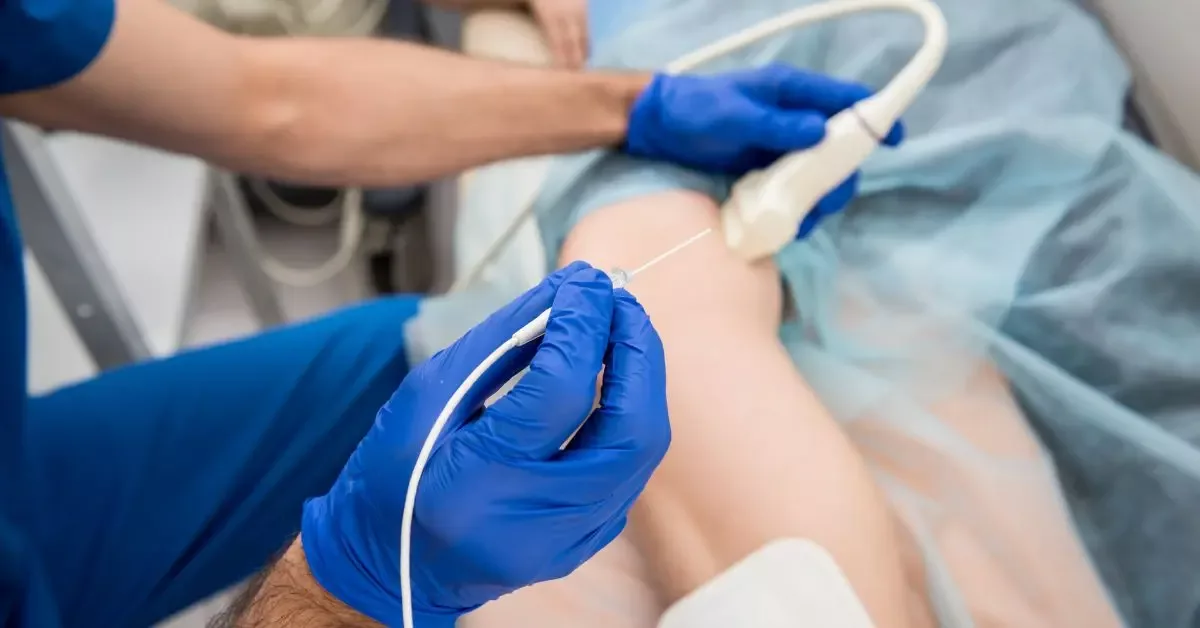





Cardiac Ablation: Benefits, Risks and Recovery
Learn how cardiac ablation treats arrhythmias such as atrial fibrillation, its potential risks, and what to expect during recovery.
Extrasystoles
Ventricular extrasystoles may not present symptoms; in other cases, they may cause unpleasant or alarming sensations.
Heart Murmurs: Symptoms, Causes, Diagnosis and Treatment
Heart murmurs are abnormal sounds heard during a heartbeat as blood flows through the heart valves or chambers. Learn about symptoms, causes, diagnosis, treatment options, and when a heart murmur may signal an underlying cardiovascular condition.
Cardiac Catheterization: Diagnosis, Treatment and Risks
Learn how this procedure evaluates the coronary arteries and helps doctors diagnose and treat a range of cardiovascular conditions.
- Do You Need an Appointment with a Specialist?
- call us
- write us
- let's talk

