
Atherosclerosis
Symptoms, Causes, Prevention and Treatment
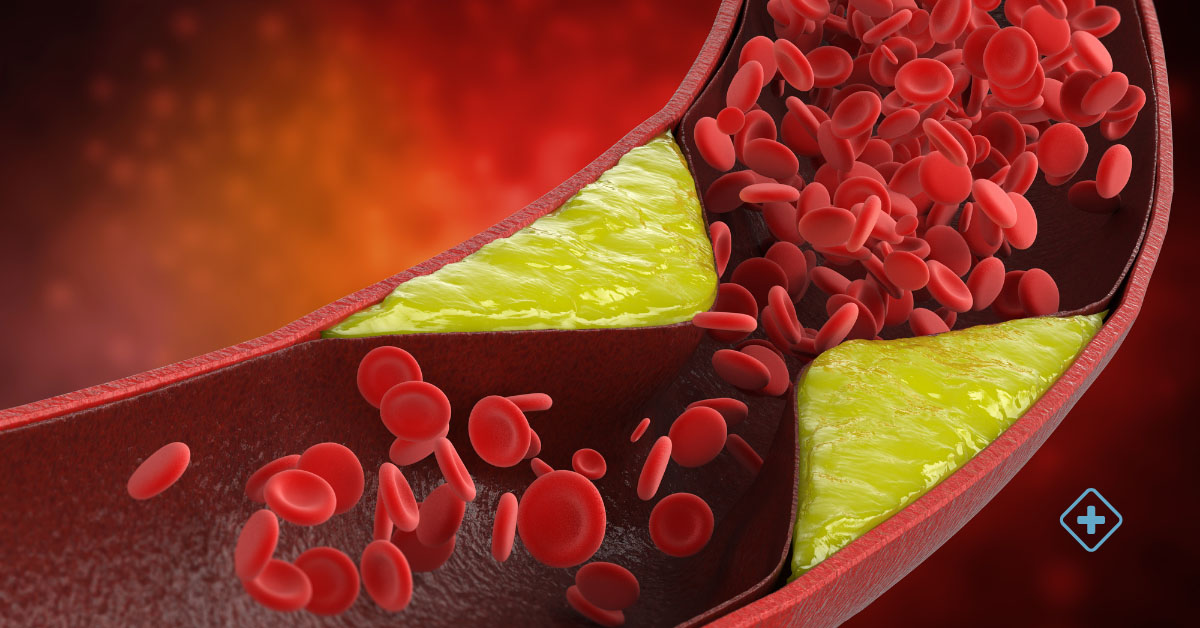
Atherosclerosis is a condition in which plaque, made primarily of cholesterol, fats, and other substances, builds up inside the walls of the arteries. Over time, this buildup can narrow the arteries and reduce blood flow to different organs and tissues.
It can affect the arteries of the heart, brain, kidneys, arms, legs, and other parts of the body.
Atherosclerosis may not cause noticeable symptoms in its early stages. That is why identifying and managing risk factors is important for protecting cardiovascular health.
What Are the Risk Factors for Atherosclerosis?
Factors that can increase the risk include:
- High cholesterol.
- High blood pressure.
- Diabetes.
- Overweight or obesity.
- Smoking.
- Physical inactivity.
- Unhealthy diet.
- High triglycerides.
- Family history of cardiovascular disease.
- Age.
- Excessive alcohol consumption.
Managing these factors can help reduce the risk of cardiovascular disease.
What Are the Symptoms of Atherosclerosis?
Symptoms depend on which arteries are affected and may appear when the disease has progressed.
Arteries of the heart:
- Chest pain, pressure, or discomfort.
- Shortness of breath.
- In some cases, abnormal heart rhythms.
Arteries of the brain:
- Difficulty speaking.
- Vision problems.
- Weakness or numbness, especially on one side of the body.
- Difficulty moving part of the body.
Arteries of the legs:
- Leg pain or cramping while walking that improves with rest.
- Numbness or weakness.
- Coldness in the extremities.
Sudden difficulty speaking, weakness on one side of the body, loss of vision, or severe chest pain requires emergency medical attention.
How Can Atherosclerosis Be Prevented?
Prevention focuses on managing risk factors and maintaining healthy habits:
- Do not smoke.
- Follow a balanced diet.
- Exercise regularly.
- Maintain a healthy weight.
- Control blood pressure.
- Maintain healthy cholesterol and triglyceride levels.
- Properly manage diabetes.
- Limit alcohol consumption.
Depending on your individual risk, your physician may also recommend medication to manage cholesterol, blood pressure, or other cardiovascular risk factors.
How Is Atherosclerosis Treated?
Treatment depends on which arteries are affected and each person's cardiovascular risk.
Treatment may include lifestyle changes, medications to control cholesterol, blood pressure, or diabetes, and, in certain cases, procedures to improve blood flow.
A medical evaluation can help determine the most appropriate treatment for each patient.
When Should I See a Doctor?
Because atherosclerosis can progress without noticeable symptoms, regular medical checkups are important, especially if you have high cholesterol, diabetes, high blood pressure, a family history of cardiovascular disease, overweight or obesity, or a history of smoking.
A Cardiology specialist can assess your cardiovascular risk, recommend appropriate testing, and help you develop a plan to protect your heart and blood vessels.
Schedule an Appointment at BlueNet Hospitals
You do not have to wait until symptoms appear to take care of your cardiovascular health.
At BlueNet Hospitals, our Cardiology specialists can provide a cardiovascular evaluation, identify risk factors, and guide you on the steps you can take to protect your health.
📲 Schedule your medical evaluation in Los Cabos+52 (624) 151 0693
Frequently Asked Questions About Atherosclerosis
1. What is atherosclerosis?
Atherosclerosis is a condition in which plaque builds up inside the walls of the arteries, which can cause them to narrow and reduce blood flow.
2. Does atherosclerosis cause symptoms?
It may not cause noticeable symptoms for years. When blood flow becomes significantly restricted, symptoms can develop depending on which arteries are affected.
3. What are the main risk factors for atherosclerosis?
Major risk factors include high cholesterol, high blood pressure, diabetes, smoking, obesity, physical inactivity, an unhealthy diet, and a family history of cardiovascular disease.
4. Can atherosclerosis be prevented?
Yes. Managing cholesterol, blood pressure, and diabetes, avoiding smoking, exercising regularly, maintaining a healthy weight, and following a balanced diet can help reduce the risk.
5. Can atherosclerosis be treated?
Yes. Depending on the individual case, treatment may include lifestyle changes, medications, and, when necessary, procedures to improve blood flow.






Cardiac Ablation: Benefits, Risks and Recovery
Learn how cardiac ablation treats arrhythmias such as atrial fibrillation, its potential risks, and what to expect during recovery.
Extrasystoles
Ventricular extrasystoles may not present symptoms; in other cases, they may cause unpleasant or alarming sensations.
Heart Murmurs: Symptoms, Causes, Diagnosis and Treatment
Heart murmurs are abnormal sounds heard during a heartbeat as blood flows through the heart valves or chambers. Learn about symptoms, causes, diagnosis, treatment options, and when a heart murmur may signal an underlying cardiovascular condition.
Cardiac Catheterization: Diagnosis, Treatment and Risks
Learn how this procedure evaluates the coronary arteries and helps doctors diagnose and treat a range of cardiovascular conditions.
- Do You Need an Appointment with a Specialist?
- call us
- write us
- let's talk

