
What Is a Cardiac Stress Test? Purpose, Types & Results
The stress test examines how the heart works during physical activity.
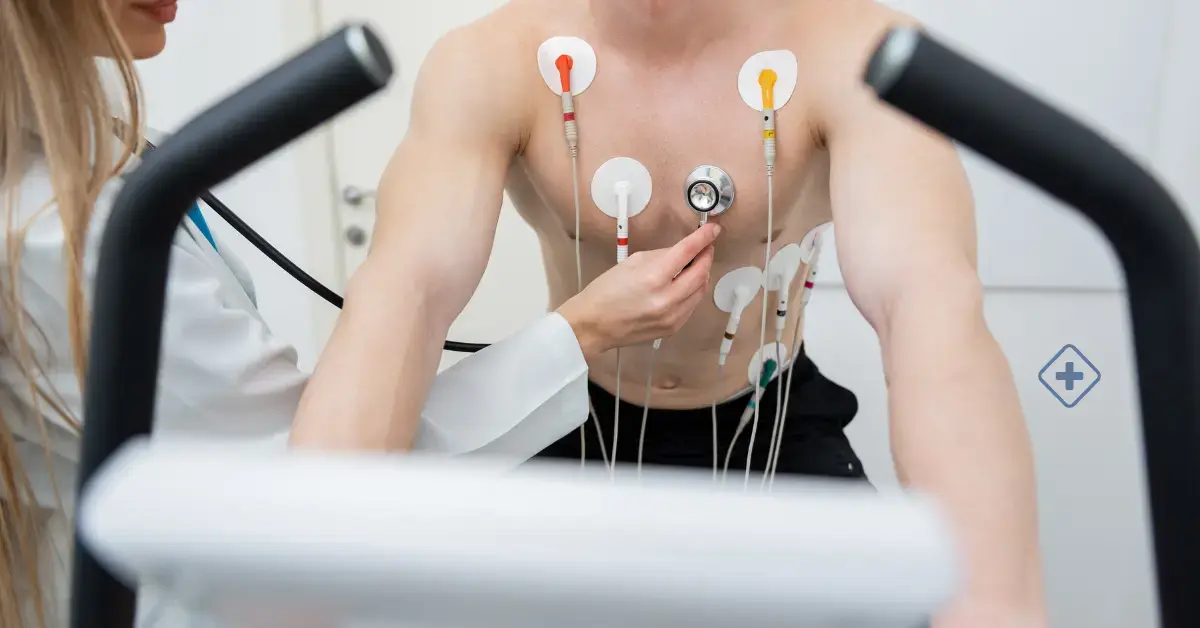
What are stress test?
This test helps detect heart conditions that may not appear while the body is at rest. During exercise, the heart needs to pump more blood and oxygen throughout the body. If there is a problem with blood flow, narrowed arteries, or an abnormal heart rhythm, it is more likely to appear during physical exertion.
For patients who cannot exercise due to a medical condition, medications may be used to simulate the effects of exercise on the heart.
Stress testing is one of the most commonly used tools in Cardiology to evaluate cardiovascular health, diagnose heart disease, and determine how safely a person can perform physical activity.
What Is a Stress Test Used For?
A stress test helps identify different conditions related to heart function and blood circulation.
Some of its main uses include:
- Detecting coronary artery disease, a condition in which the arteries supplying blood to the heart become narrowed or blocked.
- Identifying arrhythmias, or irregular heart rhythms.
- Evaluating symptoms such as chest pain, shortness of breath, or palpitations.
- Determining a safe level of exercise for each patient.
- Assessing the effectiveness of cardiac treatments.
- Monitoring recovery after a heart attack or heart surgery.
- Estimating the risk of future cardiovascular events.
When Is a Stress Test Recommended?
A cardiologist may recommend this test when a patient has symptoms or risk factors associated with cardiovascular disease.
Common Symptoms
- Chest pain or pressure
- Shortness of breath during physical activity
- Palpitations or irregular heartbeat
- Dizziness or excessive fatigue
- Tightness or discomfort in the chest
A stress test may also be recommended if you:
- Have diabetes
- Have a family history of heart disease
- Previously suffered a heart attack
- Are starting a new exercise program
- Are currently receiving cardiac treatment
- Recently underwent heart surgery
- Have high blood pressure or elevated cholesterol levels
Types of Stress Tests
There are several types of stress tests available. Your specialist will determine the most appropriate option based on your symptoms, medical history, and overall health condition.
1. Exercise Stress Test
This is the most common type of stress test. During the exam:
- Electrodes are placed on the chest, arms, and legs to monitor the heart’s electrical activity through an electrocardiogram (ECG).
- You walk on a treadmill or pedal a stationary bicycle.
- The intensity of exercise gradually increases.
- Your heart rate, blood pressure, and symptoms are continuously monitored.
The test ends once the target heart rate is reached or if symptoms indicate the need to stop the procedure.
2. Nuclear Stress Test
A nuclear stress test combines exercise with imaging technology using a small amount of radioactive contrast material.
This exam provides detailed images of blood flow to the heart muscle and helps identify areas with reduced circulation.
It is often recommended when more precise imaging is needed or when a standard stress test does not provide clear results.
3. Stress Echocardiogram
Also known as stress echocardiography, this test uses ultrasound imaging to capture pictures of the heart before and after exercise.
It helps evaluate:
- How the heart muscle contracts
- Heart valve function
- Possible abnormalities in blood flow
For patients unable to exercise, medication may be used to temporarily increase the heart rate and simulate physical activity.
How to Prepare for a Stress Test
Proper preparation helps ensure more accurate results.
Patients are usually advised to:
- Wear comfortable clothing and athletic shoes
- Avoid heavy meals several hours before the test
- Avoid smoking before the procedure
- Ask the doctor whether any medications should be temporarily stopped
- Bring previous medical studies if requested
Each patient may receive specific instructions depending on their medical condition.
Is a Stress Test Dangerous?
Stress tests are generally considered safe when performed under medical supervision.
Although serious complications are uncommon, some people may experience:
- Dizziness
- Fatigue
- Chest discomfort
- Shortness of breath
- Nausea
- Temporary heart rhythm changes
Throughout the procedure, the medical team closely monitors the patient to respond quickly to any issue if needed.
In nuclear stress testing, the radioactive material used is considered safe for most patients. However, it is generally not recommended during pregnancy.
What Do the Results Mean?
A normal stress test result usually indicates that blood flow to the heart is adequate during physical activity.
- Coronary artery disease
- Previous heart attack damage
- Heart rhythm disorders
- Reduced blood flow to the heart
- Poor physical conditioning
- Cardiac treatments that may not be working effectively
Why Early Detection of Heart Disease Matters
Cardiovascular disease remains one of the leading causes of death worldwide. In many cases, heart conditions progress silently and may not cause noticeable symptoms until a serious complication occurs, such as a heart attack or heart failure.
Early detection can make a significant difference in a person’s health and quality of life.
Stress testing is a valuable tool for identifying problems related to blood flow, heart rhythm, and the heart’s response to physical activity. It can help evaluate symptoms such as chest pain, shortness of breath, excessive fatigue, or palpitations, even when resting studies appear normal.
This exam is especially important for individuals with cardiovascular risk factors such as:
- High blood pressure
- Diabetes
- High cholesterol
- Smoking
- Obesity
- Family history of heart disease
Timely cardiac evaluation can help:
- Detect heart disease in its early stages
- Prevent cardiovascular complications
- Determine safe levels of physical activity
- Control cardiovascular risk factors
- Improve quality of life through timely treatment
Early diagnosis and proper medical follow-up are essential to reducing the risk of serious cardiac events.
Specialized Cardiology Care in Los Cabos
At BlueNetHospitals, our multidisciplinary team specializes in Cardiology and advanced cardiovascular diagnostics in Los Cabos.
We are committed to helping patients identify heart conditions early and receive personalized treatment focused on long-term cardiovascular health.
Taking care of your heart today can make a meaningful difference in your health tomorrow.
📲 Book your appointment via WhatsApp
+52 1 624 151 0693
FAQ – Frequently Asked Questions
1. Does a stress test hurt?
No. Most people only experience fatigue similar to regular exercise.
2. How long does a stress test take?
A stress test usually takes between 30 and 60 minutes, depending on the type of exam being performed.
3. What conditions can a stress test detect?
It can help detect coronary artery disease, arrhythmias, circulation problems, and heart abnormalities related to physical exertion.
4. Is a stress test safe?
Yes. Stress tests are performed under medical supervision with continuous monitoring of the heart and vital signs.
5. Do I need special preparation?
Patients are usually advised to wear comfortable clothing, avoid heavy meals before the test, and follow the specialist’s instructions.
6. What happens if the results are abnormal?
The doctor may recommend additional testing to obtain a more accurate diagnosis and determine the most appropriate treatment plan.





.webp?q=6oooazkegQuHeCZz)

Trending Topics
Varicocele
Risk Factors, Diagnosis, and Treatment
Pregnancy infections (TORCH)
Risks, testing, and prevention
Anemia in Women of Reproductive Age
Symptoms, Causes, and Prevention
Head and Neck Surgical Oncologist: The Key Specialist in Your Diagnosis
Discover what they do, which conditions they treat, and when it’s important to seek an evaluation.
Health Library
Cardiology
Learn more about:
- Cardiomyopathy
- Cardiac Arrhythmia
- Echocardiogram
- Pacemaker Application
- Thoracic Aortic Aneurysm: Symptoms, Risk Factors, and Treatment Options
- Congestive Heart Failure
- Tachycardia: Symptoms, Causes, Diagnosis and Treatment for a Rapid Heart Rate
- Pulmonary Edema: Symptoms, Causes, Treatment, and Fluid in the Lungs
- Coronary Artery Disease
- Hypertension
- Acute Coronary Syndrome: Warning Signs and Emergency Cardiac Care in Los Cabos
- Angina: Symptoms, Causes, Treatment, and Heart Attack Prevention
- Cardiac Arrest
- Congenital Heart Disease: Symptoms, Causes, Diagnosis, and Treatment
- Endocarditis
- Pericarditis
- Valvulopathies
- Dyslipidemia
- Heart Attack
- Hyperlipidemia
- Atherosclerosis
- Angioplasty
- Kawasaki Syndrome
- Myocarditis
- Cardiac Catheterization: Diagnosis, Treatment, and Coronary Artery Evaluation
- Heart Murmurs: Symptoms, Causes, Diagnosis and Treatment
- Extrasystoles
- Cardiac Ablation: Treatment for Atrial Fibrillation and Arrhythmias
- Deep Vein Thrombosis (DVT): Symptoms, Causes and Treatment to Prevent Pulmonary Embolism
- Do You Need an Appointment with a Specialist?
- call us
- write us
- let's talk

