
Anxiety vs Heart Arrhythmia: Symptoms and Key Differences
Chest pain, heart palpitations, dizziness, or shortness of breath? Learn how to recognize the difference between anxiety and heart arrhythmias and when to seek specialized cardiac care in Los Cabos.
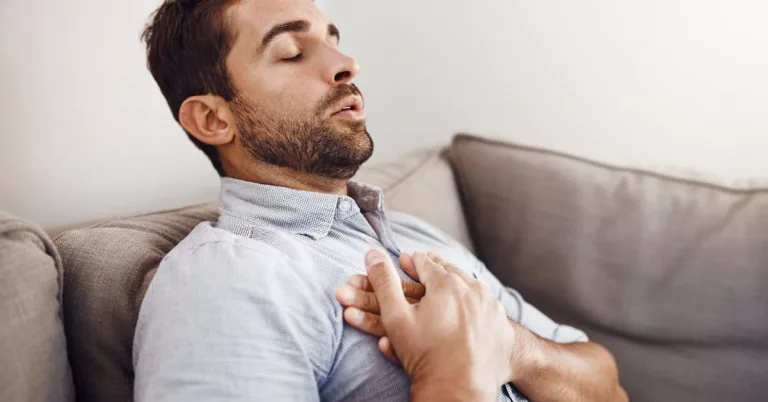
Experiencing heart palpitations, chest discomfort, shortness of breath, or the sensation that your heart is racing can feel alarming. Many people are unsure whether these symptoms are caused by anxiety or a heart arrhythmia.
This confusion is common because both conditions can produce very similar physical symptoms. However, identifying the underlying cause is essential for receiving the right treatment and preventing potential complications.
At BlueNetHospitals Los Cabos, our Cardiology specialists provide advanced diagnostic evaluation to accurately identify whether symptoms are related to stress, anxiety, or an underlying heart rhythm disorder.
Why Are Anxiety and Heart Arrhythmias Often Confused?From a medical perspective, anxiety activates the sympathetic nervous system, triggering the release of stress hormones such as adrenaline and cortisol. This response can temporarily increase heart rate, breathing, and feelings of alertness.
A heart arrhythmia, on the other hand, occurs when the electrical signals that regulate the heartbeat become abnormal, causing the heart to beat too fast, too slow, or irregularly.
Although the symptoms may feel similar, the causes and treatments are very different.
What Is Anxiety?Anxiety is a natural response to stress, pressure, or perceived danger. However, when anxiety becomes persistent or intense, it can negatively affect both emotional and physical health.
According to medical institutions such as Mayo Clinic and Cleveland Clinic, anxiety disorders can trigger real physical symptoms that are frequently mistaken for heart disease.
Common Symptoms of Anxiety- Constant worry or fear
- Nervousness or tension
- Rapid heartbeat
- Sweating
- Shortness of breath
- Dizziness
- Difficulty sleeping
- Fatigue
- Feeling out of control
A heart arrhythmia is a condition that disrupts the normal rhythm of the heart due to abnormal electrical activity.
Arrhythmias may cause:
- Rapid heartbeat (tachycardia)
- Slow heartbeat (bradycardia)
- Irregular heartbeat
- Fluttering sensations in the chest
At rest, a healthy heart typically beats between 60 and 100 times per minute.
Some arrhythmias are harmless, while others may increase the risk of serious cardiovascular complications and require medical treatment.
Symptoms of a Heart ArrhythmiaSymptoms vary depending on the type and severity of the arrhythmia.
Common Warning Signs- Palpitations or irregular heartbeat
- Fluttering in the chest
- Chest pain or pressure
- Shortness of breath
- Dizziness
- Fatigue
- Weakness
- Fainting or loss of consciousness
Seek emergency care immediately if you experience:
- Severe chest pain
- Fainting
- Difficulty breathing
- Prolonged palpitations
- Severe dizziness or loss of consciousness
These symptoms may indicate a potentially serious heart condition.
Key Differences Between Anxiety and Heart ArrhythmiaAnxiety
- Usually linked to stress or emotional triggers
- Symptoms are often temporary
- May improve with relaxation or breathing exercises
- Frequently associated with fear or panic
- Often accompanied by racing thoughts
- Can occur without emotional triggers
- Episodes may be persistent or recurrent
- Symptoms may not improve with relaxation
- Can cause fainting or severe dizziness
- Requires cardiac evaluation
Yes. Chronic stress and anxiety may increase adrenaline levels, which can trigger palpitations and contribute to certain heart rhythm abnormalities, especially in people who are already predisposed to cardiac conditions.
This is why evaluating both emotional and cardiovascular health is important when symptoms become frequent.
What Should You Do If You’re Having Palpitations Right Now?If you are currently experiencing palpitations or anxiety symptoms:
- Take slow, deep breaths
- Avoid caffeine, alcohol, and stimulants
- Sit or lie down
- Stay hydrated
- Monitor whether symptoms improve
If symptoms persist or occur with chest pain, fainting, or shortness of breath, seek immediate medical evaluation.
How Long Does an Episode Last?Anxiety Episodes
Symptoms often last from several minutes to about an hour and typically improve with relaxation.
Arrhythmia EpisodesArrhythmias may last seconds, minutes, or become persistent.
Recurring episodes should always be evaluated by a medical professional.
Can Anxiety or Arrhythmias Occur at Night?Yes. Both anxiety attacks and certain heart arrhythmias can occur during rest or while sleeping.
Waking up with palpitations, chest discomfort, or shortness of breath repeatedly should be medically evaluated.
How Is a Heart Arrhythmia Diagnosed?Diagnosing an arrhythmia requires a complete medical evaluation and specialized cardiac testing.
Common Diagnostic TestsElectrocardiogram (ECG)
Measures the heart’s electrical activity and detects rhythm abnormalities.
Holter MonitorRecords heart rhythm continuously over 24 to 48 hours to identify intermittent arrhythmias.
EchocardiogramEvaluates the heart’s structure and function.
Additional Cardiac TestsStress Test
Analyzes heart function during physical activity.
Tilt Table TestHelps evaluate fainting episodes.
Electrophysiology StudyIdentifies the exact origin of certain arrhythmias.
These tests are safe, non-invasive, and essential for an accurate diagnosis.
Treatment Options Based on the DiagnosisTreatment depends on the underlying cause and should always be individualized.
Anxiety Treatment- Psychological therapy
- Stress management techniques
- Relaxation exercises
- Medication in some cases
- Antiarrhythmic medications
- Cardioversion
- Cardiac ablation
- Pacemaker implantation
- Implantable cardioverter defibrillator (ICD)
Ongoing follow-up with a Cardiology specialist is essential for reducing complications and improving quality of life.
How to Reduce Stress and Protect Your HeartHealthy lifestyle habits can improve both emotional and cardiovascular health.
Recommended Habits- Maintain consistent sleep routines
- Exercise regularly
- Reduce caffeine and alcohol intake
- Practice breathing and relaxation techniques
- Avoid smoking
- Monitor blood pressure and cholesterol levels
Schedule a cardiac evaluation if you experience:
- Frequent palpitations
- Chest pain
- Fainting or dizziness
- Shortness of breath
- Persistent anxiety symptoms with physical manifestations
- Family history of heart disease
At BlueNetHospitals Los Cabos, our Cardiology specialists use advanced technology and comprehensive evaluations to detect heart rhythm disorders accurately and safely.
Specialized Cardiology Care at BlueNetHospitals Los CabosAre you experiencing palpitations, anxiety symptoms, or unexplained chest discomfort?
At BlueNetHospitals Los Cabos, we provide specialized cardiology care, advanced cardiac testing, and personalized evaluations to help identify the cause of your symptoms and create the right treatment plan.
📲 Schedule your appointment via WhatsApp
+52 (624) 151 0693
Professional, safe, and specialized cardiac care in Los Cabos.
Frequently Asked Questions About Anxiety and Heart Arrhythmias1. Can anxiety cause heart palpitations?
Yes. Anxiety can temporarily increase heart rate and create the sensation of palpitations.
2. How can I tell if my symptoms are anxiety or a heart problem?The only reliable way to differentiate them is through medical evaluation and cardiac testing.
3. Are all arrhythmias dangerous?No. Some arrhythmias are harmless, while others may increase cardiovascular risk and require specialized treatment.
4. Should I worry about frequent palpitations?Yes. Recurring palpitations should be evaluated by a cardiologist to rule out underlying heart conditions.
5. Can anxiety worsen heart problems?Chronic stress and anxiety can negatively affect cardiovascular health and may contribute to certain rhythm disorders.






Trending Topics
Stroke: Symptoms, Causes & Treatment
Learn how to recognize stroke symptoms, understand its causes, and why emergency treatment can save brain function and lives.
Varicocele
Symptoms, Causes, Diagnosis, and Treatment to Protect Men's Health
Pregnancy infections (TORCH)
Risks, testing, and prevention
Anemia in Women of Reproductive Age
Symptoms, Causes, and Prevention
Health Library
Cardiology
Learn more about:
- Cardiomyopathy
- Cardiac Arrhythmia
- Echocardiogram
- Pacemaker Application
- Thoracic Aortic Aneurysm: Symptoms, Risk Factors, and Treatment Options
- Congestive Heart Failure
- Tachycardia: Symptoms, Causes, Diagnosis and Treatment for a Rapid Heart Rate
- Pulmonary Edema: Symptoms, Diagnosis and Treatment
- Coronary Artery Disease
- Hypertension
- Acute Coronary Syndrome: Warning Signs and Emergency Cardiac Care in Los Cabos
- Angina: Symptoms, Causes, Diagnosis and Treatment
- Cardiac Arrest
- Congenital Heart Disease: Symptoms, Diagnosis and Treatment
- Endocarditis
- Pericarditis
- Valvulopathies
- Dyslipidemia
- Heart Attack
- Hyperlipidemia
- Atherosclerosis
- Angioplasty
- Kawasaki Syndrome
- Myocarditis
- Cardiac Catheterization: Diagnosis, Treatment and Risks
- Heart Murmurs: Symptoms, Causes, Diagnosis and Treatment
- Extrasystoles
- Cardiac Ablation: Benefits, Risks and Recovery
- Deep Vein Thrombosis (DVT): Symptoms, Causes & Treatment
- Do You Need an Appointment with a Specialist?
- call us
- write us
- let's talk

