
Back Pain in Children: Backpack Safety & Posture Tips
Learn how proper posture, backpack safety, and healthy habits help prevent back pain in children.
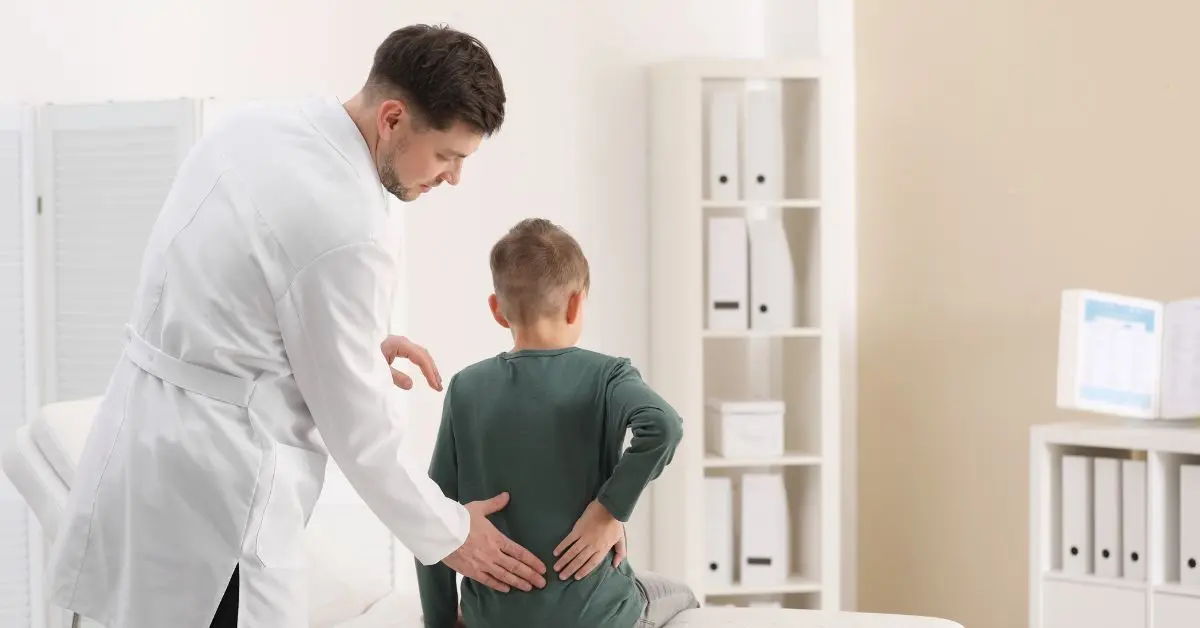
A healthy spine begins in childhood. Every day, children carry backpacks, spend hours sitting in the classroom, complete homework, and use computers, tablets, and smartphones. Over time, poor posture and unhealthy habits can place unnecessary stress on their growing muscles and spine.
Although back pain is often associated with adults, it is becoming increasingly common among school-age children and teenagers. Fortunately, most cases can be prevented by encouraging healthy posture, choosing the right backpack, staying physically active, and identifying potential problems early.
At BlueNetHospitals, our Orthopedic Surgery and Traumatology specialists, including experts in Pediatric Orthopedics, provide comprehensive evaluation and treatment for musculoskeletal conditions that may affect children's growth, posture, and spinal health.
Is Back Pain Normal in Children?Occasional back discomfort may occur after intense physical activity or prolonged sitting. However, persistent back pain is not considered a normal part of growing up.
According to the American Academy of Orthopaedic Surgeons (AAOS) and the North American Spine Society (NASS), children should be evaluated by a healthcare professional if back pain:
- Lasts several days or keeps returning.
- Interferes with daily activities or sports.
- Wakes them up at night.
- Is accompanied by fever, unexplained weight loss, or weakness.
- Develops after a significant injury or fall.
Early evaluation helps identify the underlying cause and reduces the risk of long-term complications.
What Causes Back Pain in Children?Several factors may contribute to back pain during childhood and adolescence.
The most common include:
- Poor sitting posture.
- Heavy school backpacks.
- Sitting for prolonged periods.
- Excessive screen time.
- Lack of regular physical activity.
- Weak core and back muscles.
- Sports-related injuries.
- Spinal conditions such as scoliosis or excessive spinal curvature.
In many children, symptoms improve by correcting posture, strengthening muscles, and adopting healthier daily habits.
How Heavy Should a School Backpack Be?One of the most common causes of preventable back strain is carrying an overloaded backpack.
The American Academy of Pediatrics (AAP) and the American Academy of Orthopaedic Surgeons (AAOS) recommend that a child's backpack should not exceed 10–15% of their body weight.
For example:
- A child weighing 66 pounds (30 kg) should carry a backpack weighing no more than 6.5 to 10 pounds (3–4.5 kg).
A backpack that is too heavy increases stress on the spine, shoulders, neck, and muscles, which may lead to fatigue, discomfort, and poor posture.
How to Choose the Right BackpackAn ergonomic backpack can help reduce strain on a child's back.
Look for a backpack that includes:
- Wide, padded shoulder straps.
- A padded back panel.
- Chest or waist straps when available.
- Multiple compartments to distribute weight evenly.
- A size appropriate for the child's height.
- Lightweight materials.
Rolling backpacks may be a good alternative when children need to carry heavier loads, provided the school environment allows them to be used safely.
How Should Children Wear Their Backpack?The way a backpack is worn is just as important as its weight.
Children should:
- Use both shoulder straps at all times.
- Adjust the straps so the backpack rests close to the middle of the back.
- Avoid letting the backpack hang below the waist.
- Place heavier books closest to the back.
- Carry only the items needed for that day.
Wearing a backpack over one shoulder creates uneven weight distribution and may contribute to muscle strain and poor posture.
Healthy Sitting Posture at SchoolChildren spend a significant portion of the day sitting in the classroom.
Maintaining good posture helps reduce stress on the spine and surrounding muscles.
Encourage children to:
- Sit with their back supported by the chair.
- Keep both feet flat on the floor or on a footrest.
- Bend their knees at approximately a 90-degree angle.
- Bring the chair closer to the desk instead of leaning forward.
- Keep reading materials at a comfortable height whenever possible.
There is no single "perfect" sitting position. The most important recommendation is to change positions regularly and avoid remaining seated for long periods without movement.
Screen Time and Spine HealthToday's children spend more time using electronic devices than ever before.
Looking down at phones or tablets for extended periods places extra strain on the neck and upper back, a condition often referred to as "tech neck."
To help protect your child's spine:
- Limit recreational screen time according to age.
- Position screens at eye level whenever possible.
- Encourage movement breaks every 30 to 60 minutes.
- Promote outdoor play and daily physical activity.
Developing healthy digital habits early can reduce the risk of posture-related problems later in life.
Physical Activity Helps Protect the SpineStrong muscles provide better support for the spine and improve posture.
Children should participate in at least 60 minutes of moderate to vigorous physical activity every day, including activities that improve:
- Muscle strength.
- Flexibility.
- Coordination.
- Balance.
Walking, swimming, cycling, dancing, and organized sports all contribute to healthy spinal development.
When Should You See an Orthopedic Specialist?Schedule an evaluation if your child experiences:
- Persistent back pain.
- Pain that becomes progressively worse.
- Limited mobility.
- Visible changes in posture.
- Uneven shoulders or hips.
- Pain following an injury.
- Numbness, tingling, or weakness in the arms or legs.
An orthopedic evaluation can determine whether the symptoms are related to muscle strain, spinal alignment, growth-related conditions, or another medical issue requiring treatment.
Healthy Habits Today Support a Healthy Spine TomorrowThe daily habits children develop during their school years play an important role in their long-term musculoskeletal health.
Choosing an appropriately sized backpack, encouraging proper posture, limiting prolonged screen time, and promoting regular physical activity are simple yet effective ways to reduce the risk of back pain and support healthy growth.
If your child develops persistent back pain or noticeable posture changes, early medical evaluation can help prevent future complications.
Expert Pediatric Orthopedic Care in Los CabosAt BlueNetHospitals, our Orthopedic Surgery and Traumatology specialists, with expertise in Pediatric Orthopedics, diagnose and treat spinal conditions, posture problems, sports injuries, and other musculoskeletal disorders affecting children and adolescents.
Using an evidence-based approach, we create personalized treatment plans that support healthy growth, mobility, and long-term spinal health.
Schedule an Appointment with an Orthopedic SpecialistIf your child experiences back pain, discomfort while carrying a backpack, posture changes, or any concerns involving the spine or musculoskeletal system, early evaluation can help prevent future complications.
At BlueNetHospitals, our Orthopedic specialists provide comprehensive diagnosis and treatment for children and adolescents using the latest evidence-based medical care.
📲 Schedule your appointment via WhatsApp: +52 (624) 151 0693
Receive expert Orthopedic care in Los Cabos and help your child build healthy habits that protect their spine for years to come.
Frequently Asked Questions1. Is back pain normal in children?
Occasional soreness after physical activity can occur, but persistent or recurrent back pain should always be evaluated by a healthcare professional.
2. How heavy should my child's backpack be?Experts recommend that a backpack should weigh no more than 10–15% of a child's body weight.
3. Are rolling backpacks better?Rolling backpacks can be a good option when children need to carry heavier loads, as long as they can be used safely in the school environment.
4. Can poor posture cause back pain?Yes. Sitting with poor posture for long periods and carrying heavy backpacks incorrectly can contribute to muscle strain and back discomfort.
5. Does screen time affect spinal health?Yes. Spending long periods looking down at phones or tablets can increase stress on the neck and upper back, contributing to posture-related pain.
6. When should my child see an orthopedic specialist?Seek medical evaluation if your child has persistent back pain, worsening symptoms, posture changes, weakness, numbness, or pain following an injury.
7. Where can I find pediatric orthopedic care in Los Cabos?At BlueNetHospitals, our Orthopedic Surgery and Traumatology specialists provide expert care for children with back pain, posture concerns, spinal conditions, and musculoskeletal injuries.
Trending Topics
Orthopedics and Traumatology



Trending Topics
Stroke: Symptoms, Causes & Treatment
Learn how to recognize stroke symptoms, understand its causes, and why emergency treatment can save brain function and lives.
Varicocele
Symptoms, Causes, Diagnosis, and Treatment to Protect Men's Health
Pregnancy infections (TORCH)
Risks, testing, and prevention
Anemia in Women of Reproductive Age
Symptoms, Causes, and Prevention
Health Library
Orthopedics and Traumatology
Learn more about:
- Knee Replacement
- Chronic Traumatic Encephalopathy (CTE)
- Carpal Tunnel Syndrome
- Broken Collarbone
- Osteoporosis: Symptoms, Causes, Diagnosis, and Treatment
- Hip Fracture
- Tennis elbow
- Ankle Fracture
- Sciatica: Symptoms, Causes & Treatment for Sciatic Nerve Pain
- Anterior Cruciate Ligament (ACL) Reconstruction Surgery
- Osgood-Schlatter
- Tibia Fracture
- Differences between Sprains, Strains, and Fractures
- Wrist Replacement
- Shoulder Arthroscopy: Surgery, Recovery, and Risks
- Knee Pain: Causes, Symptoms, and Treatment
- Calcaneal spur
- Wrist Ostheosynthesis
- Kyphosis or Scheuermann’s disease
- Osteoarthritis
- Hip Dysplasia
- Muscle Cramps
- Do You Need an Appointment with a Specialist?
- call us
- write us
- let's talk

