
Knee Pain: Causes, Symptoms, and Treatment
Learn what causes knee pain when walking, bending, or climbing stairs, how it is treated, and when to see an orthopedic specialist in Los Cabos.
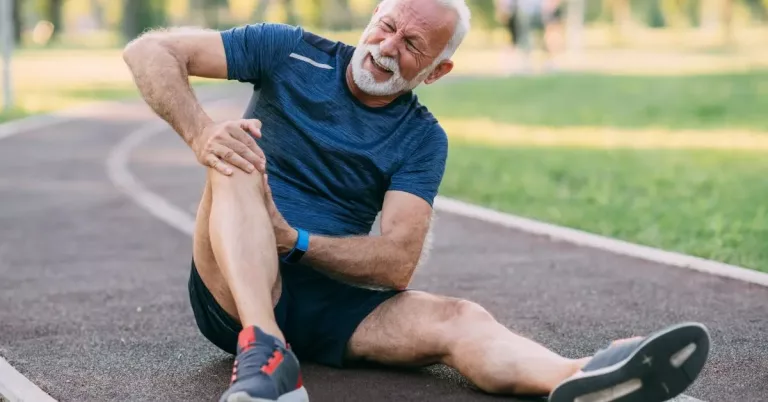
Knee pain can turn everyday activities into a challenge. Walking around town, climbing stairs, getting out of a chair, or enjoying a morning run may suddenly become uncomfortable. Sometimes the pain starts after an injury. Other times, it develops gradually, without an obvious reason.
The good news is that many causes of knee pain can be managed without surgery. The key is understanding what's causing the discomfort and choosing the right treatment.
Knee pain can result from ligament or meniscus injuries, tendon problems, arthritis, or conditions affecting the kneecap. Treatment depends on the underlying cause, the severity of symptoms, and how much the pain interferes with your daily life.
Here's what you should know about common causes of knee pain, warning signs, diagnosis, and available treatment options.
What Causes Knee Pain?
Your knees do more than help you walk. They support your body weight, absorb impact, and allow your legs to bend, straighten, and rotate slightly.
Each knee contains several structures that work together:
- Bones: The femur (thighbone), tibia (shinbone), and patella (kneecap).
- Articular cartilage: Smooth tissue that covers the ends of bones and helps the joint move efficiently.
- Menisci: Two cushioning structures that distribute pressure across the knee.
- Ligaments: Strong bands of tissue that help keep the joint stable.
- Tendons: Structures that connect muscles to bones and support movement.
Knee pain isn't a diagnosis by itself. It's a symptom that may have several possible explanations.
7 Common Causes of Knee Pain
1. Meniscus Tears
The menisci help cushion the knee and distribute weight during movement.
A meniscus tear may occur when the knee twists suddenly, particularly during sports. Meniscal changes can also develop gradually with age.
Common symptoms include:
- Pain when twisting or squatting.
- Swelling or stiffness.
- Difficulty fully straightening the knee.
- Catching or locking sensations.
2. Knee Ligament Injuries
Ligaments help stabilize the knee, particularly during turning, jumping, and sudden changes in direction.
One of the better-known injuries involves the anterior cruciate ligament (ACL), which is commonly injured during sports such as soccer, basketball, and skiing.
A ligament injury may cause sudden pain, rapid swelling, or the feeling that the knee is giving way.
Some injuries can be treated without surgery, while others may require surgical reconstruction.
3. Patellofemoral Pain Syndrome and Chondromalacia Patell
Do you feel pain around your kneecap when climbing stairs, running, squatting, or sitting for long periods?
You may be experiencing patellofemoral pain syndrome, sometimes called runner's knee.
This condition involves pain around or behind the kneecap, often associated with activities that place additional stress on the patellofemoral joint.
Chondromalacia patella is a different but related term. It refers to changes in the cartilage beneath the kneecap.
Although these conditions may occur together, they are not interchangeable. Cartilage changes do not always cause pain, and patellofemoral pain can occur without significant cartilage damage.
Treatment commonly includes targeted strengthening exercises, adjustments to physical activity, and rehabilitation.
4. Knee Osteoarthritis
Knee osteoarthritis is a condition that affects cartilage and other tissues within the joint.
It becomes more common with age, although previous injuries and other risk factors may contribute to its development.
Symptoms may include:
- Pain during or after physical activity.
- Stiffness after periods of inactivity.
- Difficulty walking or climbing stairs.
- Occasional swelling.
- Reduced range of motion.
5. Patellar Tendinopathy
Patellar tendinopathy, often called jumper's knee, affects the tendon connecting the kneecap to the shinbone.
It's particularly common in activities involving repeated jumping, running, or rapid changes in training intensity.
Pain is usually felt just below the kneecap and tends to worsen when the tendon is placed under load.
A progressive strengthening program is often an important part of treatment.
6. Knee Bursitis
Bursae are small, fluid-filled sacs that reduce friction between tissues.
When a bursa becomes inflamed, it may cause localized pain, tenderness, and swelling.
Knee bursitis can develop after prolonged kneeling, repetitive pressure, or an injury. Some cases are related to inflammatory conditions or infection.
A red, hot, swollen knee, particularly when accompanied by fever, requires urgent medical assessment.
7. Other Conditions Affecting the Knee
Additional causes of knee pain include:
- Iliotibial band syndrome, sometimes seen in runners and cyclists.
- Osgood-Schlatter disease, which typically affects physically active adolescents.
- Rheumatoid arthritis and other inflammatory joint diseases.
- Fractures and traumatic injuries.
- Gout and other crystal-related joint conditions.
- Joint infections.
What Does the Location of Knee Pain Mean?
Where you feel the pain can provide useful clues, although the location alone cannot confirm a diagnosis.
| Pain Location | Possible Causes |
| Front of the knee | Patellofemoral pain, patellar tendinopathy |
| Inner side of the knee | Medial meniscus injury, medial collateral ligament injury, osteoarthritis |
| Outer side of the knee | Iliotibial band syndrome, lateral meniscus injury |
| Back of the knee | Baker's cyst, meniscus problems, other posterior knee conditions |
| Pain throughout the knee | Osteoarthritis, inflammatory arthritis, or other joint conditions |
If the pain persists or affects how you walk, an orthopedic evaluation can help identify which structures may be involved.
Knee Pain Symptoms You Shouldn't Ignore
Knee problems don't always produce the same symptoms.
Some people experience a dull ache after exercise. Others feel sharp pain during a specific movement or notice swelling shortly after an injury.
Symptoms worth paying attention to include:
- Pain when walking, running, or climbing stairs.
- Discomfort when bending or straightening the knee.
- Swelling or tenderness.
- Morning stiffness or stiffness after sitting.
- Instability or the feeling that the knee might buckle.
- Limited range of motion.
- Painful clicking, catching, or locking.
- Difficulty bearing weight on the affected leg.
- Painless clicking is common and doesn't necessarily indicate an injury.
Seek urgent medical care if you experience:
- Severe pain following a fall or accident.
- Inability to bear weight on your leg.
- A visibly deformed knee.
- Significant swelling shortly after an injury.
- A hot, red, swollen joint, especially with fever.
- Sudden inability to straighten the knee.
- Loss of sensation or other concerning symptoms after an injury.
- A severely painful, hot, swollen joint may indicate an infection or another condition requiring immediate evaluation.
Certain factors may increase your risk of knee problems.
Previous injuries: Past ligament, meniscus, or bone injuries may increase the likelihood of future joint problems.
Excess body weight: Additional weight can increase the load placed on the knees during everyday movements.
Muscle weakness: Reduced strength in the thighs and hips may affect how forces are managed during physical activity.
Repetitive stress: Sudden increases in running distance, training intensity, or physically demanding work can contribute to overuse problems.
Age and underlying conditions: Osteoarthritis becomes more common with age, while inflammatory arthritis may affect people at different stages of life.
These factors don't mean knee pain is inevitable. Many can be addressed through appropriate exercise, rehabilitation, and lifestyle adjustments.
How Is Knee Pain Diagnosed?
Understanding what caused the pain is an important first step toward effective treatment.
An orthopedic specialist will typically ask when your symptoms began, where the pain is located, whether you experienced an injury, and which activities make the discomfort better or worse.
Physical Examination
During an examination, your doctor may assess:
- Swelling, bruising, warmth, and tenderness.
- Your ability to bend and straighten the knee.
- Ligament stability.
- Muscle strength and joint alignment.
- Walking patterns and functional movement.
- Signs suggesting a meniscus or tendon injury.
Do You Need an X-ray or MRI for Knee Pain?
Not everyone with knee pain needs imaging.
Your doctor may recommend a specific test depending on your symptoms and examination.
- X-rays are useful for examining bones, joint alignment, certain fractures, and changes associated with osteoarthritis.
- Magnetic resonance imaging (MRI) can provide detailed images of soft tissues, including ligaments, menisci, and cartilage.
- CT scans may be appropriate for selected complex fractures or other specific conditions.
- Musculoskeletal ultrasound can help assess certain tendons, bursae, and fluid collections.
Learn more about Radiology and Imaging at BlueNetHospitals.
How Is Knee Pain Treated?
The right treatment depends on what's causing the pain.
A recent ligament injury, for example, may require a very different approach from knee osteoarthritis or patellar tendinopathy.
Fortunately, many conditions improve with non-surgical treatment.
1. Initial Care for Mild Knee Pain
If your discomfort is mild and there are no warning signs of a serious injury, a few simple measures may help.
Protect the knee. Temporarily avoid movements that clearly worsen the pain.
Modify your activity. Reduce painful activities while maintaining gentle movement as tolerated.
Apply ice. A cold pack wrapped in a towel can be applied for approximately 15–20 minutes at a time.
Use compression when appropriate. An elastic bandage may help with swelling, provided it isn't too tight.
Elevate the leg. Raising the affected leg may help reduce swelling after a minor injury.
These measures are intended for short-term symptom relief. They do not replace medical assessment when a significant injury is suspected.
2. Physical Therapy and Rehabilitation
Physical therapy plays an important role in treating many knee conditions.
A rehabilitation program may focus on:
- Strengthening the quadriceps.
- Improving hip and gluteal strength.
- Restoring comfortable movement.
- Improving balance and joint control.
- Gradually returning to sports or everyday activities.
The best program depends on your diagnosis, current abilities, and personal goals.
3. Medication for Knee Pain
Certain medications can help manage symptoms, depending on the underlying condition.
For knee osteoarthritis, topical nonsteroidal anti-inflammatory drugs (NSAIDs) may be considered as part of treatment.
Oral anti-inflammatory medications may also be appropriate for some patients, but they carry potential risks, particularly for people with kidney disease, gastrointestinal problems, cardiovascular conditions, or certain medication interactions.
Avoid taking pain medication for prolonged periods without professional guidance.
4. Knee Injections
In selected patients, an orthopedic specialist may discuss injectable treatments.
For example, corticosteroid injections may offer temporary symptom relief for some people with knee osteoarthritis when other treatment options are ineffective or unsuitable.
Injections are not appropriate for every type of knee pain. Their benefits and risks should be reviewed individually.
When Does Knee Pain Require Surgery?
Most knee pain does not automatically require surgery.
Surgical treatment may be considered when there is a specific structural problem, significant instability, an important traumatic injury, or persistent symptoms that have not improved sufficiently with appropriate non-surgical care.
Knee Arthroscopy
Arthroscopy uses a small camera and specialized instruments to examine and treat selected problems inside the knee.
It may be appropriate for certain meniscus injuries or other specific conditions.
However, routine arthroscopic cleaning or debridement is not recommended for knee osteoarthritis.
Ligament Reconstruction
Some patients with ACL injuries or other significant ligament damage may benefit from reconstructive surgery, particularly when instability affects their activities.
Partial or Total Knee Replacement
Knee replacement may be considered for people with advanced osteoarthritis whose pain and functional limitations substantially affect daily life despite appropriate non-surgical treatment.
The choice between partial and total knee replacement depends on which parts of the joint are affected and other clinical factors.
Fracture Fixation
Certain fractures near or involving the knee require surgery to stabilize the bones.
Surgeons may use plates, screws, or other implants to help maintain proper alignment while the fracture heals.
Cartilage Restoration Procedures
Some localized cartilage injuries may be treated with specialized surgical techniques.
These procedures are not suitable for every patient or every type of cartilage damage.
Your orthopedic specialist can explain whether surgery is necessary, what alternatives are available, and what recovery may involve.
How Can You Help Prevent Knee Pain?
Not every knee problem can be prevented, but healthy movement habits can reduce certain risks.
- Stay physically active. Choose activities that match your fitness level and current joint health.
- Build strength. Strong thigh and hip muscles help support efficient movement.
- Increase exercise gradually. Avoid sudden jumps in distance, intensity, or training frequency.
- Maintain a healthy weight when appropriate. Weight management can improve symptoms in people with knee osteoarthritis.
- Wear comfortable, activity-appropriate footwear.
- Allow time for recovery. Persistent pain after exercise may signal the need to modify your routine.
- Complete your rehabilitation. Returning to demanding activity before recovering sufficient strength and stability may increase the risk of another injury.
When Should You See an Orthopedic Specialist for Knee Pain?
Consider scheduling a medical evaluation if:
- Your knee pain persists despite initial self-care.
- The pain keeps returning.
- Swelling develops repeatedly.
- Your knee feels unstable.
- Walking, working, or sleeping becomes difficult.
- You've had a previous knee injury and symptoms have returned.
- You're unable to return comfortably to your usual activities.
If the symptoms suggest an inflammatory joint disease, a rheumatology consultation may also be appropriate.
Knee Pain Evaluation in Los Cabos, Mexico
Whether you live in Los Cabos, spend part of the year in Baja California Sur, or are visiting Cabo San Lucas, knee pain can interfere with your plans.
A painful knee may make it difficult to walk along the beach, explore the area, play golf, or simply get around comfortably.
At BlueNetHospitals in Cabo San Lucas, Mexico, patients can seek an orthopedic consultation for knee pain, sports-related injuries, and other musculoskeletal concerns.
An appropriate medical evaluation can help determine whether your symptoms may improve with conservative care or require further investigation or specialized treatment.
Get Your Knee Pain Evaluated by an Orthopedic Specialist in Los Cabos.
You don't need to keep guessing why your knee hurts.
If pain, swelling, or stiffness is affecting your daily life, an orthopedic consultation can help you understand what's happening and explore your treatment options.
BlueNetHospitals | Cabo San Lucas, Baja California Sur, Mexico.
Learn More About Orthopedics & Traumatology at BlueNetHospitals.
Treatment recommendations depend on your medical history, examination findings, and individual needs. If you develop symptoms of a serious injury or infection, seek urgent medical attention.
Frequently Asked Questions About Knee Pain
1. Why does my knee hurt even though I haven't injured it?
Knee pain can develop without a fall or obvious injury. Common explanations include tendon overload, patellofemoral pain syndrome, osteoarthritis, or age-related meniscal changes. Inflammatory conditions can also cause knee discomfort. A medical examination may be needed if the pain persists or worsens.
2. Why does my knee hurt when I bend it?
Pain when bending the knee may be associated with patellofemoral pain, meniscus problems, tendinopathy, or osteoarthritis. The exact cause depends on where the pain occurs, whether swelling is present, and what other symptoms you experience.
3. What causes knee pain when walking or climbing stairs?
Walking and stair climbing place different demands on the knee joint. Pain during these activities can occur with osteoarthritis, patellofemoral pain syndrome, tendon problems, or other knee conditions. Persistent pain deserves an orthopedic assessment.
4. Is chondromalacia patella the same as knee pain?
No. Chondromalacia patella describes changes in the cartilage beneath the kneecap. Knee pain is a symptom with many possible causes. A person may have patellofemoral pain without significant cartilage damage, and cartilage changes do not always cause symptoms.
5. Is walking good for knee pain?
Walking can be beneficial for many people, particularly those managing knee osteoarthritis. The amount and intensity should be adjusted to your symptoms. If you experience severe pain, significant swelling, or difficulty bearing weight, seek medical advice before continuing.
6. How long does knee pain take to heal?
Recovery varies depending on the cause. Mild overuse-related discomfort may improve over days or weeks, while ligament injuries, meniscus problems, and chronic joint conditions may require longer periods of treatment or rehabilitation.
7. How do I know if I have a meniscus tear?
A meniscus tear may cause pain when twisting, swelling, catching, or difficulty straightening the knee. However, these symptoms are not exclusive to meniscus injuries. Your doctor may recommend an MRI if the examination suggests a meniscal injury and imaging would help guide treatment.
8. Can knee pain go away without surgery?
Yes. Many knee conditions improve with physical therapy, strengthening exercises, activity modification, and other non-surgical measures. Surgery is reserved for selected injuries and conditions where it is clinically appropriate.
9. What kind of doctor should I see for knee pain?
An orthopedic specialist, also called an orthopedic surgeon or orthopedist, evaluates injuries and disorders affecting bones, joints, ligaments, tendons, and muscles. A rheumatologist may be appropriate when inflammatory arthritis is suspected.
10. Where can I see a knee specialist in Cabo San Lucas?
You can explore orthopedic consultation options through BlueNetHospitals' Orthopedics service in Cabo San Lucas, Baja California Sur, Mexico. An orthopedic evaluation can help identify the cause of your knee pain and determine the most appropriate next steps.
Health Library
Orthopedics and Traumatology

Hip Dysplasia
The symptoms of hip dysplasia vary depending on the individual's age
Osteoarthritis
Osteoarthritis is a disease that affects the joints in the body.
Kyphosis or Scheuermann’s disease
Causes, Symptoms, Diagnosis and Treatment. Schedule your appointment at BlueNetHospitals
Wrist Ostheosynthesis
Surgery performed to help relieve pain and improve mobility and function in severely damaged wrist joints. Schedule your Appointment Today.
- Do You Need an Appointment with a Specialist?
- call us
- write us
- let's talk

