
Sciatica: Symptoms, Causes & Treatment for Sciatic Nerve Pain
Sciatica can cause lower back pain, leg numbness, and discomfort that radiates down the leg. Learn about symptoms, causes, and treatment options for sciatic nerve pain.
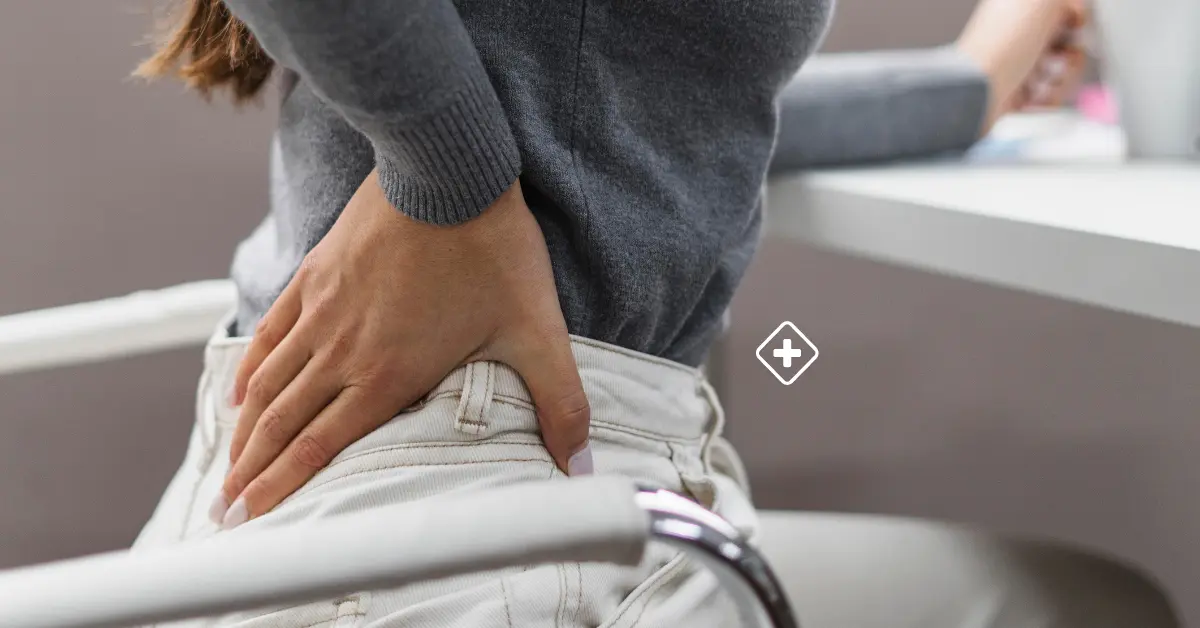
Sciatica is one of the most common causes of lower back pain that radiates down the leg. Many people describe it as a sharp, burning, or electric-like pain that starts in the lower back and travels through the buttock, thigh, or calf.
While some cases improve with rest and conservative treatment, sciatic pain can also become persistent and interfere with daily activities such as walking, sitting comfortably, or sleeping.
Sciatica is not considered a disease itself, but rather a group of symptoms caused by irritation or compression of a lumbar nerve root that forms part of the sciatic nerve.
In this article, you’ll learn what causes sciatica, the most common symptoms, when to see a specialist, and which treatment options may help relieve sciatic nerve pain.
What Is Sciatica?Sciatica occurs when the sciatic nerve or the lumbar nerve roots connected to it become irritated or compressed.
The sciatic nerve begins in the lower spine and travels through the:
- Buttocks
- Hips
- Back of the legs
- Calves
- Feet
Because of this, pain can radiate from the lower back down into the leg.
In most cases, sciatica affects only one side of the body.
Common Causes of Sciatica
Sciatica can develop due to different conditions affecting the spine or nearby structures.
This is one of the most common causes of sciatica.
It occurs when part of a spinal disc presses against a nearby nerve root.
Symptoms may include:
- Pain radiating down the leg
- Tingling sensations
- Numbness
- Muscle weakness
Age-related wear and tear of the spine may lead to abnormal bone growth or narrowing around the nerves.
This can place pressure on the sciatic nerve.
Spinal StenosisSpinal stenosis is the narrowing of the spinal canal.
When this happens in the lower back, it may cause:
- Lower back pain
- Pain while walking
- Leg weakness
- Numbness or tingling
Less commonly, the piriformis muscle can irritate the path of the sciatic nerve and cause symptoms similar to sciatica.
This may result in buttock pain and discomfort radiating down the leg.
Other Risk FactorsSeveral factors may increase the risk of developing sciatica, including:
- Diabetes
- Excess weight
- Sedentary lifestyle
- Poor posture
- Jobs involving heavy lifting
- Sitting for long periods of time
Symptoms vary depending on the degree of nerve irritation or compression.
Pain Radiating Down the LegThis is the most characteristic symptom of sciatica.
The pain may feel like:
- Burning
- Electric shock sensations
- Sharp pain
- Constant aching
- Pressure or tightness
Pain usually begins in the lower back or buttock and travels down one leg.
Tingling or NumbnessMany patients experience:
- Pins and needles sensations
- Leg numbness
- Tingling
- Altered sensation in the leg or foot
More severe cases may cause difficulty:
- Walking
- Lifting the foot
- Maintaining balance
- Standing for long periods
Sciatica often worsens when:
- Sitting for extended periods
- Coughing
- Sneezing
- Making certain movements
In some patients, lower back pain may be mild or even absent, while leg pain becomes the main symptom.
When Should You See a Specialist?Although some episodes improve within a few days, certain symptoms require medical evaluation.
You should see a specialist if:
- Pain lasts longer than one week
- Symptoms progressively worsen
- You experience leg weakness
- There is numbness or loss of sensation
- Pain interferes with walking
- You lose bladder or bowel control
- Symptoms begin after a fall or accident
Early medical care can help prevent complications and improve recovery.
Specialists Who Treat SciaticaDepending on the severity and cause of symptoms, different specialists may be involved in treatment.
Orthopedics and TraumatologyOrthopedic specialists evaluate spinal conditions, disc herniations, and musculoskeletal problems related to lower back pain and sciatica.
NeurosurgeryWhen significant nerve compression or severe neurological symptoms are present, a neurosurgeon may recommend advanced treatment options or spine surgery.
Physical Rehabilitation and Physical TherapyPhysical therapy helps improve mobility, strengthen muscles, and reduce pressure on the spine.
Pain Management SpecialistsPain management specialists may help patients experiencing chronic lower back pain or persistent sciatica symptoms.
How Is Sciatica Diagnosed?Diagnosis usually includes:
- Medical history review
- Physical examination
- Neurological evaluation
- Muscle strength and reflex testing
Imaging studies may also be recommended, such as:
- X-rays
- MRI scans
- CT scans
These tests help identify herniated discs, nerve compression, or other spinal conditions.
Treatment Options for SciaticaTreatment depends on the cause of pain and severity of symptoms.
MedicationsSome medications may help reduce:
- Inflammation
- Pain
- Muscle spasms
These should always be used under medical supervision.
Physical TherapyPhysical therapy may help:
- Improve posture
- Strengthen muscles
- Reduce nerve pressure
- Restore mobility
Many patients improve significantly with proper rehabilitation.
Epidural Injections and Interventional Pain ProceduresIn some cases, specialists may recommend:
- Epidural steroid injections
- Interventional pain procedures
- Targeted pain management therapies
These treatments may help reduce inflammation and improve pain control.
Spine SurgerySurgery is generally reserved for severe cases, especially when there is:
- Significant muscle weakness
- Loss of bladder or bowel control
- Severe nerve compression
- Persistent or disabling pain
In addition to medical treatment, certain measures may help reduce symptoms:
- Apply cold packs during the first 48 hours
- Use heat therapy afterward
- Avoid prolonged bed rest
- Stay moderately active
- Perform recommended stretches and exercises
- Maintain proper posture
Some patients also find complementary relief through therapies such as acupuncture or chiropractic care when guided by healthcare professionals.
Specialized Sciatica and Spine Care in Los CabosAt BlueNetHospitals, we provide specialized care for patients with sciatica, lower back pain, and spinal conditions.
Our medical team includes specialists in:
- Orthopedics and Traumatology
- Neurosurgery
- Physical Rehabilitation
- Pain Management
We offer personalized treatment focused on relieving pain, restoring mobility, and improving quality of life.
📲 Schedule your medical evaluation in Los Cabos
+52 (624) 151 0693
Sciatica can significantly affect daily activities and mobility when left untreated. Identifying the source of nerve compression and receiving specialized medical care can help patients find the most effective treatment for long-term relief.
At BlueNetHospitals, we provide comprehensive care for patients experiencing lower back pain, sciatic nerve compression, and spine conditions in Los Cabos.Frequently Asked Questions About Sciatica
1. What exactly is sciatica?
Sciatica refers to pain caused by irritation or compression of the sciatic nerve or the lumbar nerve roots connected to it.
2. Does sciatica always cause leg pain?In most cases, yes. Pain usually travels from the lower back or buttock down into the leg.
3. Can sciatica go away on its own?Many cases improve within weeks through conservative treatment, physical therapy, and proper care.
4. What makes sciatica worse?Long periods of sitting, heavy lifting, poor posture, and certain movements may increase symptoms.
5. When is sciatica considered serious?Immediate medical attention is recommended if there is severe weakness, difficulty walking, or loss of bladder or bowel control.
6. Does walking help sciatica?In many cases, moderate activity and walking may help reduce symptoms, depending on the underlying cause.
7. What type of doctor treats sciatica?Treatment may involve orthopedic specialists, neurosurgeons, physical rehabilitation physicians, or pain management specialists.
8. Is surgery always necessary for sciatica?Health Library
Orthopedics and Traumatology



Hip Dysplasia
The symptoms of hip dysplasia vary depending on the individual's age
Osteoarthritis
Osteoarthritis is a disease that affects the joints in the body.
Kyphosis or Scheuermann’s disease
Causes, Symptoms, Diagnosis and Treatment. Schedule your appointment at BlueNetHospitals
Wrist Ostheosynthesis
Surgery performed to help relieve pain and improve mobility and function in severely damaged wrist joints. Schedule your Appointment Today.
- Do You Need an Appointment with a Specialist?
- call us
- write us
- let's talk

