
Tibia Fracture
The tibia is the long bone located in the lower leg between the knee and the foot. Tibia fractures are common and are usually caused by injury or by continual pressure on the bone. A fracture means "break." Schedule Your Appointment Today.
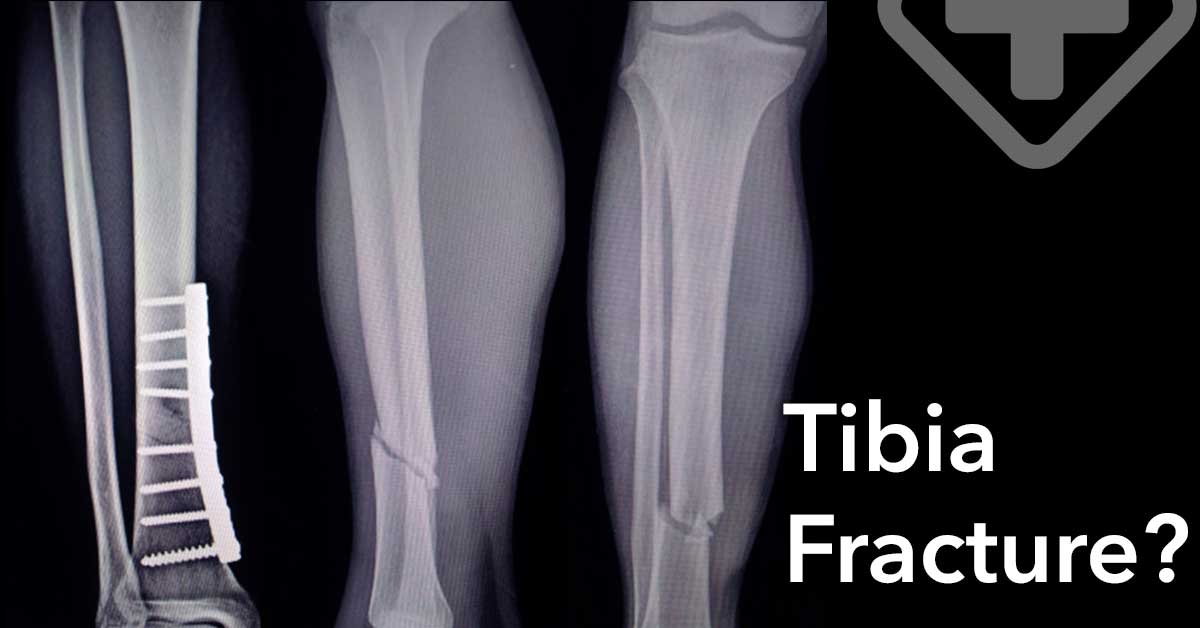
The tibia is the long bone located in the lower leg between the knee and the foot. Tibia fractures are common and are usually caused by injury or by continual pressure on the bone. A fracture means "break."
In some cases, the only symptom of a small fracture is shin pain when walking. In more severe cases, the tibia bone may protrude through the skin.
Causes
Long bones in the body are powerful, but sometimes tibia fractures can occur for one of the following reasons:
-
Traumatic injuries, such as car accidents or falls
-
Playing sports that involve continuous impact, such as running long distances
-
Injuries from contact sports, such as football Osteoporosis, which makes the bones weaker than usual
Symptoms
-
A localized pain in one or more areas of the tibia
-
Swelling in the lower leg
-
Difficulty or inability to stand, walk, or carry weight
-
Leg deformity or uneven leg length
-
Presence of bruising or discoloration around the tibia
-
Feeling changes in the foot
-
A lump of the tibia bone through the skin
Diagnosis
Your doctor will ask about your medical history and how the injury occurred to diagnose a tibia fracture. You will conduct an examination and ask to perform any of the following tests:
MRI is performed in case other imaging tests have not been sufficient to diagnose the problem.
Treatment
The treatment depends on several factors, including the patient's general health, the cause and severity of the injury, and the presence of damage to the soft tissue surrounding the tibia.
In severe cases, surgery may be necessary to ensure that the bone heals properly. The Orthopedist Surgeon or Traumatologist can use metal plates and screws to fix the bone in place, allowing optimal bone recovery with minimal long-term damage. This procedure is known as osteosynthesis.
The Orthopedist Surgeon or Traumatologist may also use metal rods or pins to drive them through the bones, above and below the fracture. These will be attached to a rigid frame called an external fixator and will hold the bone in place. The specialist who treats tibia fractures is the Orthopedist or Traumatologist.
Living with Tibia Fracture
Recovery from a tibia fracture depends on the severity of the fracture. Recovery usually takes 4 to 6 months, but it may take longer if the break is all over the bone, or if the fracture is partial.
It may also take longer if the person is in poor health for other reasons. The patient will always have to follow the doctor's recommendations about the proper time to return to walking, exercising, or other physical activities.
Rehabilitation with physical therapy can help strengthen the hips, calves, and thighs, speed up the recovery process, and prevent future injuries. Crutches or a treadmill may need to be used as part of recovery to facilitate mobility.
When should I visit the Doctor?
If you have some of the above symptoms, call your Orthopedist or Traumatologist to book an appointment to diagnose the type of ankle fracture and the most appropriate treatment.
If you suffered a severe blow, an injury with severe pain that prevents normal movement of some of your limbs, the ideal is to go to the emergency room. You can go directly to the BlueNetHospitals Emergency Room in Los Cabos or call an ambulance at 624 1043 911.
When consulting the Orthopedist or Traumatologist, it is advisable to record when the pain started and have a detailed description of the symptoms and duration. If you are taking any medication, it is essential to report it to the specialist. A tibia fracture can be a medical emergency, and you don't have to wait long before seeing a specialist for timely medical care.
Health Library
Orthopedics and Traumatology




Hip Dysplasia
The symptoms of hip dysplasia vary depending on the individual's age
Osteoarthritis
Osteoarthritis is a disease that affects the joints in the body.
Kyphosis or Scheuermann’s disease
Causes, Symptoms, Diagnosis and Treatment. Schedule your appointment at BlueNetHospitals
Wrist Ostheosynthesis
Surgery performed to help relieve pain and improve mobility and function in severely damaged wrist joints. Schedule your Appointment Today.
- Do You Need an Appointment with a Specialist?
- call us
- write us
- let's talk

