
Orthopedics and Traumatology
Osteoporosis: Symptoms, Causes, Diagnosis, and Treatment
Osteoporosis is an illness that causes the bones to weaken. Learn more about symptoms and diagnosis.
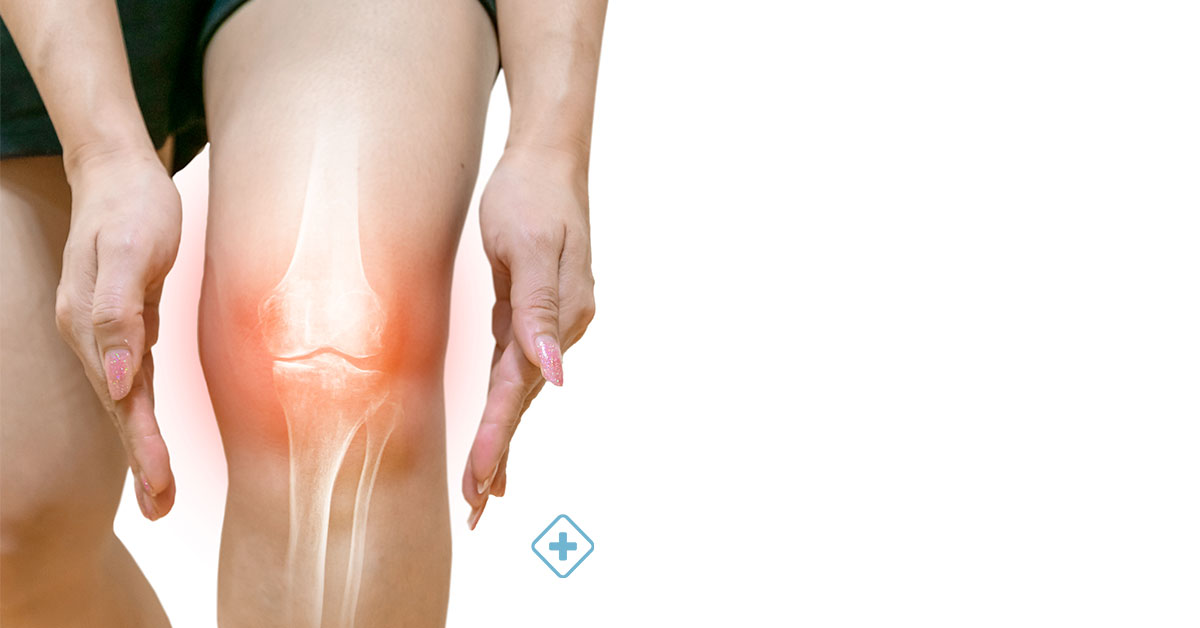
Osteoporosis is a disease that weakens the bones and increases the risk of fractures. It can develop without obvious symptoms for years, so some people discover that they have osteoporosis only after experiencing a fracture.
Although the risk increases with age, osteoporosis can affect both women and men. Knowing the risk factors, maintaining healthy habits, and undergoing a medical evaluation when indicated can help protect bone health.
What Is Osteoporosis?
Osteoporosis is a disease in which bones lose density and strength, making them more fragile and susceptible to fractures.
Bones are constantly being renewed: the body removes old bone tissue and produces new tissue. Osteoporosis can develop when bone loss occurs faster than new bone formation.
Osteoporosis-related fractures can occur in different parts of the body, but they are especially common in:
What Causes Osteoporosis?
Osteoporosis can occur when the body loses bone mass faster than it can replace it.
Aging is one of the factors associated with bone loss. However, other factors can increase the risk, including hormonal changes, family history, inadequate intake of certain nutrients, lack of physical activity, and certain medications or medical conditions.
Some factors associated with bone loss include:
Osteoporosis often develops without obvious symptoms. That is why it is known as a silent disease: a person may not know they have bone loss until they experience a fracture.
When vertebral fractures occur, signs may include:
How Is Osteoporosis Diagnosed?
Diagnosis begins with an evaluation of medical history and risk factors.
During a consultation, a healthcare professional may ask about:
The doctor may use this information along with other factors to assess fracture risk and determine whether treatment is needed.
How Is Osteoporosis Treated?
Treatment for osteoporosis depends on factors such as bone density, fracture risk, medical history, and the presence of other medical conditions.
The goal of treatment is to reduce bone loss and lower the risk of fractures.
Depending on each case, treatment may include:
Diet
A balanced diet that provides adequate amounts of calcium, vitamin D, and protein contributes to maintaining healthy bones.
Physical Activity
Weight-bearing exercises, strength training, and exercises that help improve balance may be part of a program to maintain bone health and reduce the risk of falls. The type of exercise should be adapted to each person's condition.
Fall Prevention
Reducing the risk of falls is especially important for people with osteoporosis because a fall can cause a fracture.
Medications
When indicated, medications are available that can help reduce bone loss or help maintain bone density. The medication and duration of treatment should be determined by a healthcare professional according to each individual's circumstances.
When Should I See a Doctor?
Consider talking to a healthcare professional if you have risk factors for osteoporosis, a history of fractures, or concerns about your bone health.
It is also important to seek medical attention after a fracture caused by a minor fall or an impact that would not normally be expected to cause a significant injury.
An evaluation can help identify risk factors and determine whether you need additional tests, such as a bone density scan.
Take Care of Your Bone Health
Prevention and early detection can help you better understand your bone health and your risk of fractures.
**Consult a specialist in Orthopedics and Traumatology to receive an evaluation according to your needs.
Schedule your appointment via WhatsApp: 624 151 0693
BlueNet Hospitals
Frequently Asked Questions
Does osteoporosis cause pain?
Osteoporosis itself may not cause pain. However, an osteoporosis-related fracture, especially in the vertebrae, can cause back pain and other physical changes.
What test is used to detect osteoporosis?
A bone density scan is one of the main tests used to measure bone mineral density, generally in the hip and spine.
Can men have osteoporosis?
Yes. Osteoporosis can affect both men and women. The risk increases with age and may be related to other health and lifestyle factors.
Which bones are most affected by osteoporosis?
Osteoporosis-related fractures most commonly occur in the hip, spinal vertebrae, and wrist.
Can osteoporosis be treated?
Yes. Depending on fracture risk and each person's individual characteristics, treatment may include lifestyle changes, exercise, fall-prevention measures, and medications when indicated.
When should I have a bone density test?
The need for and timing of a bone density scan depend on age, sex, risk factors, history of fractures, and other aspects of health. A healthcare professional can determine whether this test is appropriate for you.
Although the risk increases with age, osteoporosis can affect both women and men. Knowing the risk factors, maintaining healthy habits, and undergoing a medical evaluation when indicated can help protect bone health.
What Is Osteoporosis?
Osteoporosis is a disease in which bones lose density and strength, making them more fragile and susceptible to fractures.
Bones are constantly being renewed: the body removes old bone tissue and produces new tissue. Osteoporosis can develop when bone loss occurs faster than new bone formation.
Osteoporosis-related fractures can occur in different parts of the body, but they are especially common in:
- Hip
- Spine
- Wrist
What Causes Osteoporosis?
Osteoporosis can occur when the body loses bone mass faster than it can replace it.
Aging is one of the factors associated with bone loss. However, other factors can increase the risk, including hormonal changes, family history, inadequate intake of certain nutrients, lack of physical activity, and certain medications or medical conditions.
Some factors associated with bone loss include:
- Aging
- Hormonal changes, including menopause
- Family history of osteoporosis or fractures
- Low body weight
- Insufficient calcium or vitamin D intake
- Lack of physical activity
- Smoking
- Excessive alcohol consumption
- Certain medical conditions
- Long-term use of certain medications, such as glucocorticoids
Osteoporosis often develops without obvious symptoms. That is why it is known as a silent disease: a person may not know they have bone loss until they experience a fracture.
When vertebral fractures occur, signs may include:
- Back pain
- Loss of height
- Changes in posture or a hunched back
- Fractures after a minor fall or an activity that would not normally cause an injury to a healthy bone
How Is Osteoporosis Diagnosed?
Diagnosis begins with an evaluation of medical history and risk factors.
During a consultation, a healthcare professional may ask about:
- Previous fractures
- Diet
- Physical activity
- Alcohol and tobacco use
- Medications
- Family history
- Hormonal changes and other relevant factors
The doctor may use this information along with other factors to assess fracture risk and determine whether treatment is needed.
How Is Osteoporosis Treated?
Treatment for osteoporosis depends on factors such as bone density, fracture risk, medical history, and the presence of other medical conditions.
The goal of treatment is to reduce bone loss and lower the risk of fractures.
Depending on each case, treatment may include:
Diet
A balanced diet that provides adequate amounts of calcium, vitamin D, and protein contributes to maintaining healthy bones.
Physical Activity
Weight-bearing exercises, strength training, and exercises that help improve balance may be part of a program to maintain bone health and reduce the risk of falls. The type of exercise should be adapted to each person's condition.
Fall Prevention
Reducing the risk of falls is especially important for people with osteoporosis because a fall can cause a fracture.
Medications
When indicated, medications are available that can help reduce bone loss or help maintain bone density. The medication and duration of treatment should be determined by a healthcare professional according to each individual's circumstances.
When Should I See a Doctor?
Consider talking to a healthcare professional if you have risk factors for osteoporosis, a history of fractures, or concerns about your bone health.
It is also important to seek medical attention after a fracture caused by a minor fall or an impact that would not normally be expected to cause a significant injury.
An evaluation can help identify risk factors and determine whether you need additional tests, such as a bone density scan.
Take Care of Your Bone Health
Prevention and early detection can help you better understand your bone health and your risk of fractures.
**Consult a specialist in Orthopedics and Traumatology to receive an evaluation according to your needs.
Schedule your appointment via WhatsApp: 624 151 0693
BlueNet Hospitals
Frequently Asked Questions
Does osteoporosis cause pain?
Osteoporosis itself may not cause pain. However, an osteoporosis-related fracture, especially in the vertebrae, can cause back pain and other physical changes.
What test is used to detect osteoporosis?
A bone density scan is one of the main tests used to measure bone mineral density, generally in the hip and spine.
Can men have osteoporosis?
Yes. Osteoporosis can affect both men and women. The risk increases with age and may be related to other health and lifestyle factors.
Which bones are most affected by osteoporosis?
Osteoporosis-related fractures most commonly occur in the hip, spinal vertebrae, and wrist.
Can osteoporosis be treated?
Yes. Depending on fracture risk and each person's individual characteristics, treatment may include lifestyle changes, exercise, fall-prevention measures, and medications when indicated.
When should I have a bone density test?
The need for and timing of a bone density scan depend on age, sex, risk factors, history of fractures, and other aspects of health. A healthcare professional can determine whether this test is appropriate for you.
Health Library
Orthopedics and Traumatology



Orthopedics and Traumatology
Hip Dysplasia
The symptoms of hip dysplasia vary depending on the individual's age
Orthopedics and Traumatology
Osteoarthritis
Osteoarthritis is a disease that affects the joints in the body.
Orthopedics and Traumatology
Kyphosis or Scheuermann’s disease
Causes, Symptoms, Diagnosis and Treatment. Schedule your appointment at BlueNetHospitals
Orthopedics and Traumatology
Wrist Ostheosynthesis
Surgery performed to help relieve pain and improve mobility and function in severely damaged wrist joints. Schedule your Appointment Today.
- Do You Need an Appointment with a Specialist?
- call us
- write us
- let's talk

