
How much sport is too much for a child?
If your child is passionate about sports, plays, and trains tirelessly, he may be at risk of injury from the overuse of muscles and bones.
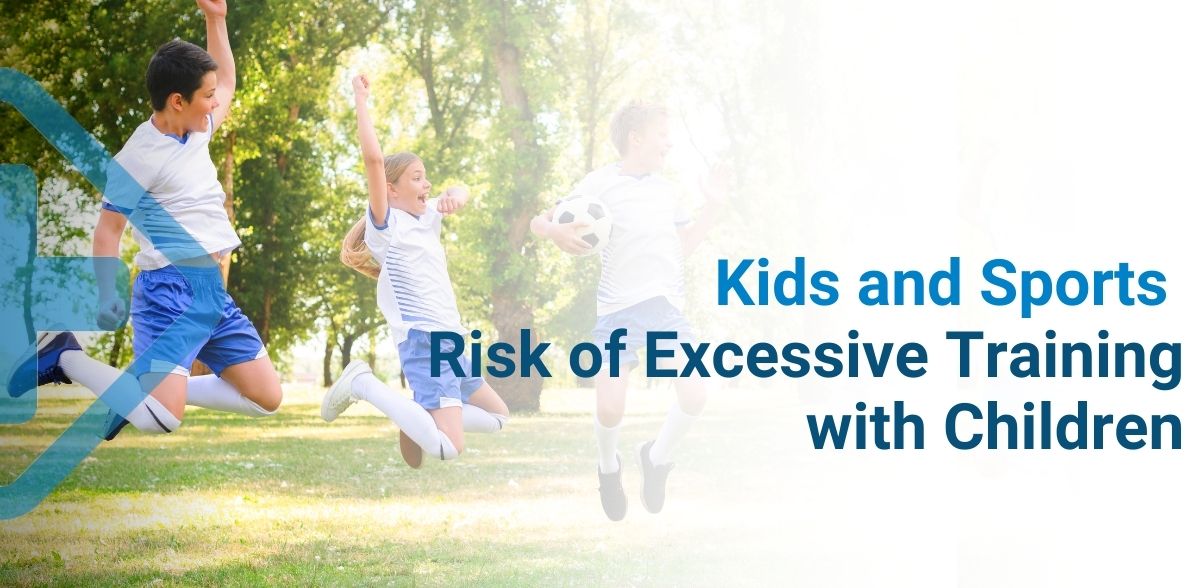
Overwork injuries are now the most common in children and adolescents since more than half of the pediatric sports medicine cases are related to overuse of muscles and bones.
These types of injuries occur when the muscles and bones are repeatedly overloaded (too much exercise in a short period and without rest), resulting in short or medium-term microtrauma to the tendons, bones, and joints.
Work overload injuries : Is my kid doing too much sport?
An example of work overuse injuries with your little athlete could be Osgood-Schlatter disease, which causes a painful bony lump in the tibia just below the knee and often affects children and adolescents who experience growth spurts during puberty.
This condition is more common in children and adolescents who perform activities such as running, jumping, or bending over, such as basketball, tennis, soccer, and ballet. Your child's thigh muscles (quadriceps) pull on the tendon that connects the kneecap to the growth plate on top of the tibia.
Repeated stress in this area can cause the tendon to pull on the growth plate attached to the tibia, causing pain and inflammation associated with Osgood-Schlatter disease.
In some cases, the child's body may close this gap with the growth of new bone, which can form a bony lump there. To mention an example of a work overload injury.However, unlike other sudden and painful injuries, work overuse injuries are more subtle and usually not apparent at first.
If your little athlete's schedule is saturated with sports activities (after school, for example), they will be more likely to develop weakened tendons or inflamed tissues around a joint. Performing sports activities frequently and without adequate rest, far from doing your child's body good, will bring him closer to an injury due to an overload of work.
Overwork injuries encompass a wide range of conditions, including tendonitis, stress fractures, jumper's knee, the aforementioned Osgood-Schlatter disease, baseball, or tennis elbow.
Serious Problems: What would happen if my child is overdoing sports?
These injuries are a serious problem for children and adolescents since their bones are still growing and do not withstand as much stress as mature bones in adults.
In recent years the number of injuries due to overuse among young people has been on the rise. This may result from the increasing number of children participating in organized sports activities (extracurricular activities, tournaments, playoffs) that demand a higher and higher level of performance.
Work overload injuries generally occur for one of two reasons:
-
Result of overtraining or increasing the level of physical activity too quickly
-
The inadequate mechanical technique (poor posture or movements)
How to Avoid Injuries? Recognize the Signs of Over Exercise in Kids and Teens
To avoid this type of injury, we suggest you help your child by preparing him for the sport or activity that he is going to do. If you are a newcomer, some introductory exercises will be a good idea, of course, without overdoing it.
It is also wise to ensure that your child learns a proper mechanical technique for the sport he will practice from a qualified and knowledgeable instructor.
If possible, help your child develop skills and strength before his sports season begins. Throw the ball, go for a pool swim, or stretch together.
It is essential to teach your child to take pain and tiredness seriously. Although a new activity can often cause sore muscles, you will need to learn to identify muscle soreness from regular fatigue and injury and make sure your child gets enough rest and adequate nutrition for their activities.
The American Academy of Pediatrics (AAP) recommends limiting a sport to no more than five days a week, with at least one day off each week from any organized physical activity to avoid potential injury.
So parents, take note and make sure your future high-performance athletes get enough rest to avoid injury.
When to see your doctor?
If presenting the pain persists, it is essential to consult an Orthopedic or Traumatology specialist to diagnose any problems related to muscle aches and start treatment to control your symptoms.
When consulting your Orthopedist or Traumatologist, try to keep a record of your pain with a detailed description of the symptoms, duration, and what you think triggered them. Also, mention any medications you are taking.
BlueNetHospitals - Hospital Los Cabos
BlueNet Hospitals.
Trending Topics
Orthopedics and Traumatology




Trending Topics
Stroke: Symptoms, Causes & Treatment
Learn how to recognize stroke symptoms, understand its causes, and why emergency treatment can save brain function and lives.
Varicocele
Symptoms, Causes, Diagnosis, and Treatment to Protect Men's Health
Pregnancy infections (TORCH)
Risks, testing, and prevention
Anemia in Women of Reproductive Age
Symptoms, Causes, and Prevention
Health Library
Orthopedics and Traumatology
Learn more about:
- Knee Replacement
- Chronic Traumatic Encephalopathy (CTE)
- Carpal Tunnel Syndrome
- Broken Collarbone
- Osteoporosis: Symptoms, Causes, Diagnosis, and Treatment
- Hip Fracture
- Tennis elbow
- Ankle Fracture
- Sciatica: Symptoms, Causes & Treatment for Sciatic Nerve Pain
- Anterior Cruciate Ligament (ACL) Reconstruction Surgery
- Osgood-Schlatter
- Tibia Fracture
- Differences between Sprains, Strains, and Fractures
- Wrist Replacement
- Shoulder Arthroscopy: Surgery, Recovery, and Risks
- Knee Pain: Causes, Symptoms, and Treatment
- Calcaneal spur
- Wrist Ostheosynthesis
- Kyphosis or Scheuermann’s disease
- Osteoarthritis
- Hip Dysplasia
- Muscle Cramps
- Do You Need an Appointment with a Specialist?
- call us
- write us
- let's talk

