
Frequent Urination
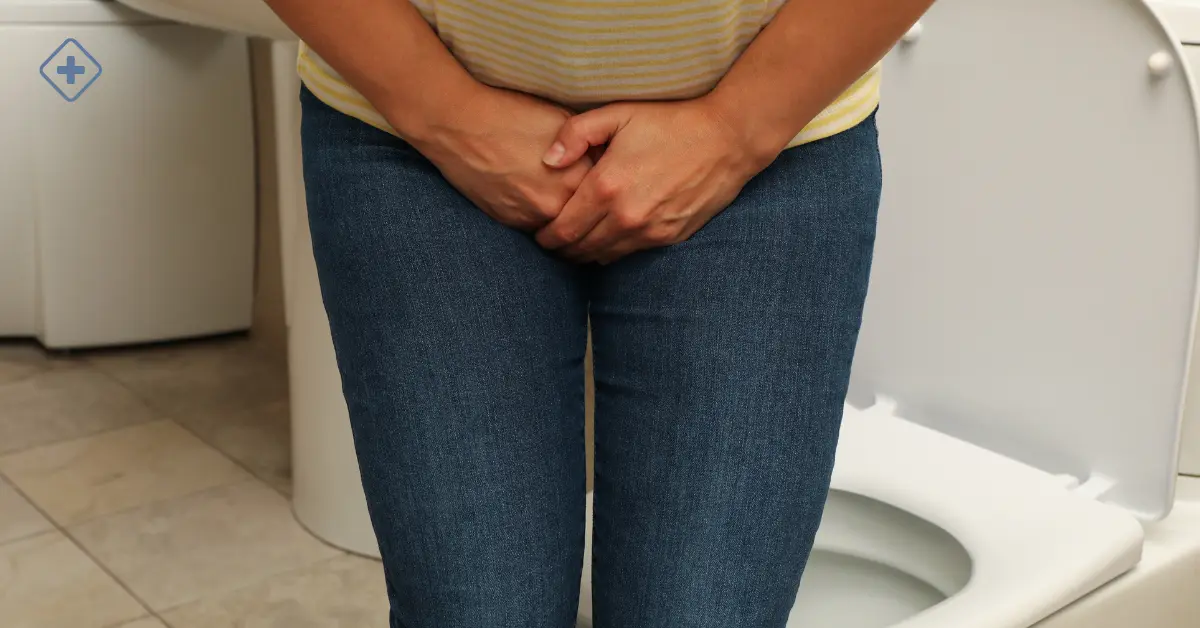
Frequent urination represents an unusually high number of times you have to urinate. This can vary from person to person. It is sometimes more noticeable at night.

While it is true that the characteristics of this problem are usually quite annoying, stressful, and can affect your quality of life, this problem is treatable. It can be managed with the help of an Urologist.
Frequent Urination is a symptom that can be caused by many different conditions, so the key to treating Frequent Urination is to find the hidden cause that is causing the constant visits to the bathroom.
Causes of Frequent Urination:
Many factors can be closely related to the need to urinate frequently, some of which are:
-
Bladder infection, disease, injury or irritation
-
Having an enlarged prostate
-
Being a senior citizen
-
Bladder malfunction due to changes in muscles, nerves, or other tissues
-
Some treatments for cancer
-
Drinking too much alcohol or caffeine
-
Diuretics
-
Taking other medications that increase urine production
-
Radiation therapy in the pelvic area
-
Diseases that increase urine production (such as diabetes)
The conditions or diseases that cause the need to urinate frequently:
-
Type 1 Diabetes
-
Type 2 Diabetes
-
Vaginitis
-
Cystocele
-
Cystitis (Urinary tract infection)
-
Overactive bladder
-
Urethral stricture
-
Anxiety disorders
Depending on the cause you have Frequent Urination, other urinary problems may occur, such as
-
Loss of bladder control
-
Pain or discomfort when urinating
-
Urgent need to urinate
-
Unusual urine color
-
Difficulty urinating
Symptoms of Frequent Urination:
The symptoms will depend on the disease, condition, or factor causing Frequent Urination, and can vary significantly from case to case.
Consult an Urologist if:
-
You have a fever, back pain, vomiting or chills
-
If you urinate bloody or cloudy
-
If you feel tired and have suddenly lost weight
-
If it has increased your appetite or thirst
-
If you are not pregnant or drinking large amounts of fluids and still have frequent urination
-
If you have had to make lifestyle changes because of frequent urination
Diagnosis of Frequent Urination:
The Urologist will start by asking some questions like:
-
Urine frequency
-
How long have you been showing symptoms
-
What other symptoms do you have?
-
In what situations has an unexpected urine leakage occurred
After this, the Doctor will be able to determine what tests will be needed to detect the cause of Frequent Urination, some of the possible tests are
-
Abdominal Examination
-
Pelvic exam
-
Urethral and vaginal evaluation
-
Scanning the bladder
-
Cystoscopy
-
Urodynamic test
How can I improve my condition or avoid it?
Small lifestyle changes can be made to reduce the probability of developing Frequent Urination. Avoid certain foods and drinks as the night approaches to avoid waking up to urinate, for example:
-
Coffee
-
Tea
-
Alcohol
-
Citrus juices
-
Artificial sweeteners
-
Tomatoes and tomato products
-
Increase the fiber consumption in your daily diet is another recommendation, constipation can also contribute to frequent urination by putting pressure on the bladder.
Your Urologist may also suggest pelvic exercises such as Kegels to help delay Frequent Urination.
¿When do you have to see a doctor?
Make your appointment with the doctor in case of presenting any of the mentioned symptoms.
The Urologist is in charge of treating this type of disease; they will be in charge of making a diagnosis to identify the cause of the symptoms and identify the severity of the condition.
When consulting your Urologist, try to keep a record of your pain with a detailed description of the symptoms, duration, and what you think triggered them. Also, mention any medications you are taking.
BlueNetHospitals - Hospital Los Cabos
BlueNet Hospitals
Health Library
Urology




Prostate-Specific Antigen (PSA)
The level of PSA in the blood can provide valuable information about prostate health.
Urinary Incontinence
The treatment of urinary incontinence varies depending on the type and severity of symptoms
Andropause
Symptoms, Causes, Diagnosis and Treatment
Hyperplasia
Hyperplasia is the increase in the production of cells in a healthy organ or tissue.
- Do You Need an Appointment with a Specialist?
- call us
- write us
- let's talk

