
Bladder Stones
Symptoms, Causes & Treatment
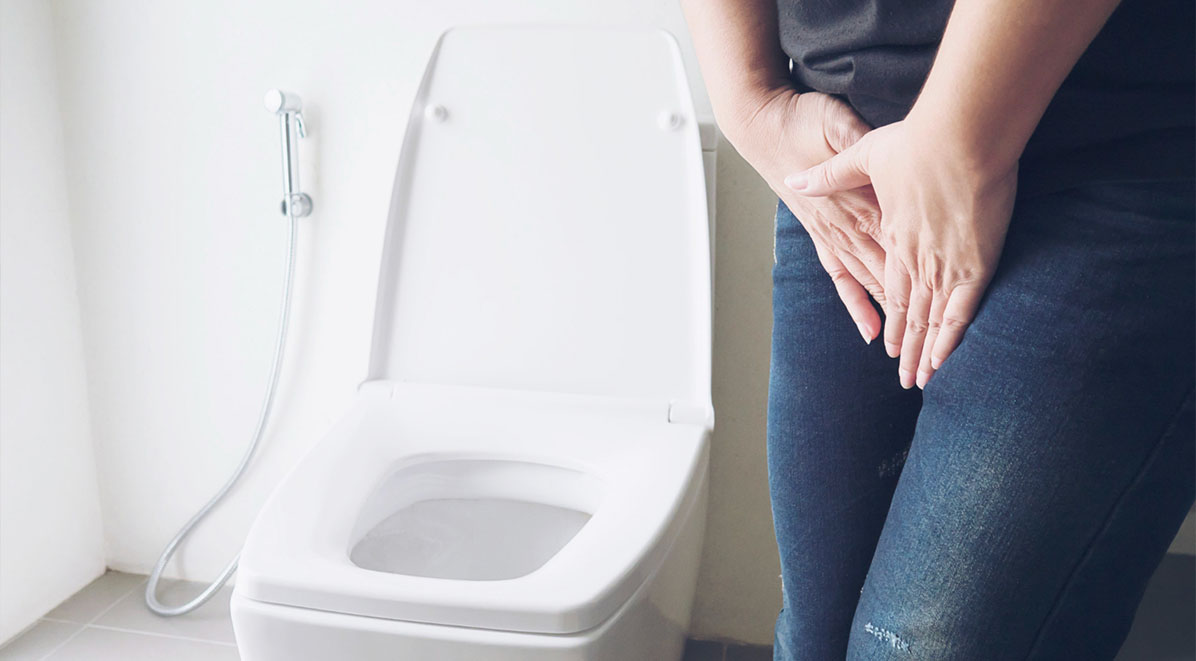
Bladder stones are hard masses of minerals that form inside the bladder when urine remains in the bladder and minerals can crystallize. They are often associated with conditions that prevent the bladder from emptying completely.
Some bladder stones cause no symptoms, while others can lead to pain, burning or difficulty urinating.
What causes bladder stones?
Bladder stones can develop when a condition interferes with normal bladder emptying. Causes and associated factors may include:
- Enlarged prostate, such as benign prostatic hyperplasia (BPH).
- Recurrent urinary tract infections.
- Nerve damage affecting bladder function.
- Urinary devices, such as catheters.
- Other conditions that interfere with normal urine flow.
- Symptoms of bladder stones
Small bladder stones may not cause symptoms. When a stone irritates the bladder or blocks urine flow, symptoms may include:
- Pain or burning when urinating.
- Frequent urination.
- Pain in the lower abdomen.
- Difficulty urinating or interrupted urine flow.
- Blood in the urine.
- Darker-than-usual urine.
These symptoms can also occur with other urinary conditions, so a medical evaluation is important.
How are bladder stones diagnosed?
A Urology specialist may evaluate your symptoms, medical history and perform a physical examination. Depending on your case, testing may include:
- Urinalysis.
- Ultrasound.
- Computed tomography (CT) scan.
- X-rays.Cystoscopy, which allows the inside of the bladder to be examined.
Treatment for bladder stones
Treatment depends on the size of the stone, symptoms and underlying cause. Small stones may pass through the urine, while larger stones often need to be removed.
Treatment may involve endoscopic procedures to break up and remove the stone using instruments, lasers or other techniques. Treating the underlying cause is also important to reduce the risk of recurrence.
How can bladder stones be prevented?
If you have had bladder stones, some measures may help reduce the risk of developing them again:
- Stay adequately hydrated unless your doctor recommends otherwise.
- Avoid regularly holding your urine for long periods.
- Follow treatment for prostate problems, urinary infections or other urinary conditions.
- Attend follow-up appointments with your Urology specialist.
When should you see a doctor?
See a Urology specialist if you experience pain or burning when urinating, difficulty urinating, increased urinary frequency or blood in your urine.
If you are unable to urinate or experience severe pain, fever or chills, seek medical attention promptly.
Schedule an Appointment at BlueNet Hospitals
At BlueNet Hospitals, Urology specialists are available to help identify the cause of your symptoms and determine the appropriate treatment.
📲 Schedule your medical evaluation in Los Cabos
+52 (624) 151 0693
Frequently Asked Questions About Bladder Stones
1. What are bladder stones?
Bladder stones are hard masses of minerals that form inside the bladder, often when the bladder cannot empty completely.
2. What are the symptoms of bladder stones?
Symptoms may include pain or burning when urinating, frequent urination, lower abdominal pain, difficulty urinating and blood in the urine.
3. Do bladder stones always cause symptoms?
No. Small bladder stones may cause no symptoms and can sometimes be discovered during tests performed for another reason.
4. How are bladder stones diagnosed?
Diagnosis may include a medical evaluation, urinalysis and imaging tests such as ultrasound, CT scans or X-rays. In some cases, a cystoscopy may be performed.
5. Do bladder stones require surgery?
Not always. Small stones may pass naturally, while larger stones may require a procedure to break them up or remove them. Treatment depends on the individual case.
Health Library
Urology




Prostate-Specific Antigen (PSA)
The level of PSA in the blood can provide valuable information about prostate health.
Urinary Incontinence
The treatment of urinary incontinence varies depending on the type and severity of symptoms
Andropause
Symptoms, Causes, Diagnosis and Treatment
Hyperplasia
Hyperplasia is the increase in the production of cells in a healthy organ or tissue.
- Do You Need an Appointment with a Specialist?
- call us
- write us
- let's talk

