
Popeye's arm? It is not normal!
Causes, treatment, and tips to prevent it.
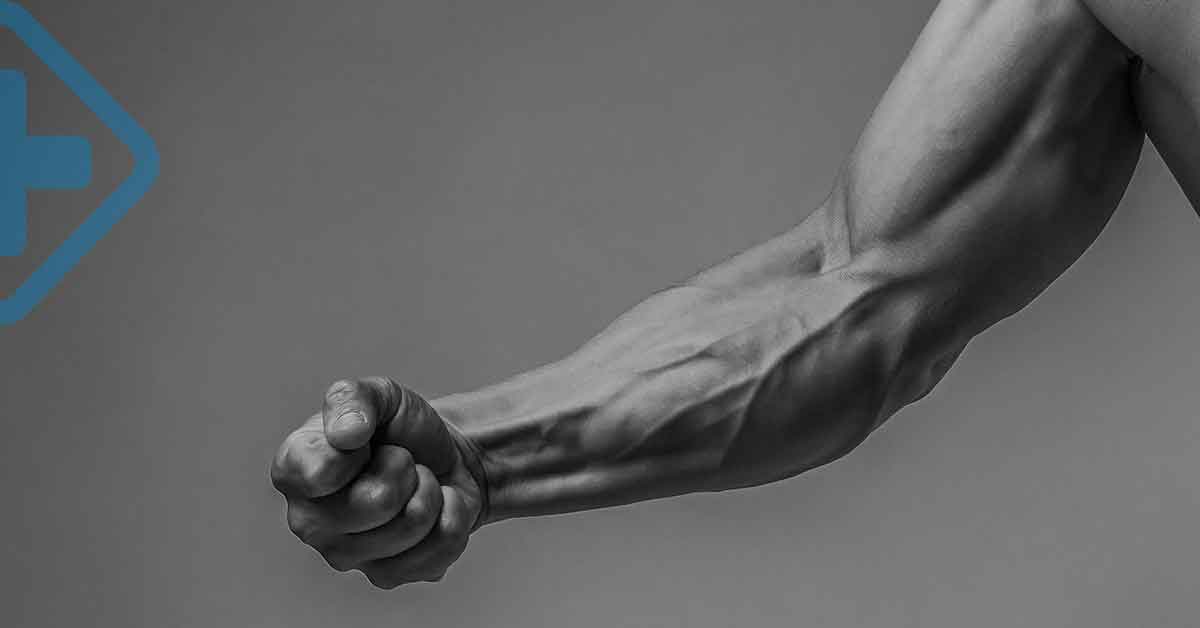
When a tendon in your Biceps Muscle works in excess, it could appear a painful ball, called a Popeye Deformity. Do you remember the popular cartoon character?
This deformity occurs suddenly, with no warning. Maybe, you force your Biceps to hard-work your upper-body so the Tendons often become frayed from wear before they tear.
The so-called "Popeye's deformity" commonly occurs in people over 40; however, this does not exempt other ages from suffering from it.
Symptoms:
Symptoms may include:
- Hearing or feeling a crack when the Tendon breaks away from the bone
- Intense pain in your arm
- Tenderness, bruising, or soreness in your upper arm
- Weakness in your arm
- Cramping in your arm when you’re doing some movements
- You can not turn your arm and put your palm faces up or down
- Fatigue in your arm
- Muscle spasms
Possible causes of Popeye Deformity:
- Repetitive movement of your Biceps
- You forced your biceps muscle
- Sports injury
- Injury from a fall
- Age
- Anabolic Steroid or Corticosteroid use
- Smoking
- Tendinopathy
- Rheumatoid Arthritis
Before diagnosing Popeye’s Deformity, your doctor will perform a physical examination, and maybe X-Rays or Tomography.
If your tear is partial, you may not see an obvious lump in your arm; however, symptoms such as pain and other discomfort are usually present.
If you have a complete tear in your biceps tendon, the lump will be visible.Treatments:
Sometimes, the tendon heals on its own over time; nevertheless, your Doctor may recommend Surgery. Don’t worry, Minimally Invasive Surgery to repair the tendon is possible.
Maybe some ice (20 minutes sessions, a few times a day), the use of anti-inflammatory drugs (ask your Doctor), rest and Physiotherapy, could help.
If your Doctor specialist in Orthopedics and Traumatology has determined that the best thing for your situation is to undergo surgery, don't worry! The prognoses are good; you must consider that the total recovery from a surgery of this type is longer but generally offers good results.
Results:
Although the Popeye arm bulge may make it appear that the arm "is stronger," when this deformity is corrected, and the tendon is repaired down to the bone, that bulge disappears because the biceps muscle is stretched back to its original position. Successful correction of this condition restores your arm's strength, and most patients can return to their daily activities and sports.Prevention tips:
Suppose you do repetitive activities in your daily life or do sports or exercise. In that case, we recommend that you contact your Physiotherapist so that you can tell him/her about your particular situation and, in this way, ensure that you are doing the exercise or activity in the right way without exposing your tendons to injury
- Start your fitness routine safely, don’t overdo, and please take breaks!
- Avoid heavy overhead lifting
- If you feel pain when exercising, stop
- Stop smoking
- Stop steroid use
- Consult a specialist if your pain persists or grows
If you have severe pain or you believe that you could have harmed your biceps, you should go to the emergency room. You can go directly to the BlueNetHospitals Emergency Room in Los Cabos or call an ambulance at (624) 104 3911.
When consulting your Doctor, we recommend keeping a record of your pain with a detailed description of the symptoms, duration, and what you think triggered them. Also, mention any medications you are taking.
BlueNet Hospitals.
Trending Topics
Orthopedics and Traumatology



Trending Topics
Stroke: Symptoms, Causes & Treatment
Learn how to recognize stroke symptoms, understand its causes, and why emergency treatment can save brain function and lives.
Varicocele
Symptoms, Causes, Diagnosis, and Treatment to Protect Men's Health
Pregnancy infections (TORCH)
Risks, testing, and prevention
Anemia in Women of Reproductive Age
Symptoms, Causes, and Prevention
Health Library
Orthopedics and Traumatology
Learn more about:
- Knee Replacement
- Chronic Traumatic Encephalopathy (CTE)
- Carpal Tunnel Syndrome
- Broken Collarbone
- Osteoporosis: Symptoms, Causes, Diagnosis, and Treatment
- Hip Fracture
- Tennis elbow
- Ankle Fracture
- Sciatica: Symptoms, Causes & Treatment for Sciatic Nerve Pain
- Anterior Cruciate Ligament (ACL) Reconstruction Surgery
- Osgood-Schlatter
- Tibia Fracture
- Differences between Sprains, Strains, and Fractures
- Wrist Replacement
- Shoulder Arthroscopy: Surgery, Recovery, and Risks
- Knee Pain: Causes, Symptoms, and Treatment
- Calcaneal spur
- Wrist Ostheosynthesis
- Kyphosis or Scheuermann’s disease
- Osteoarthritis
- Hip Dysplasia
- Muscle Cramps
- Do You Need an Appointment with a Specialist?
- call us
- write us
- let's talk

