
Golfer's Elbow: Enjoy golfing without elbow pain!
The right treatment can get you back in the field and enjoy this activity
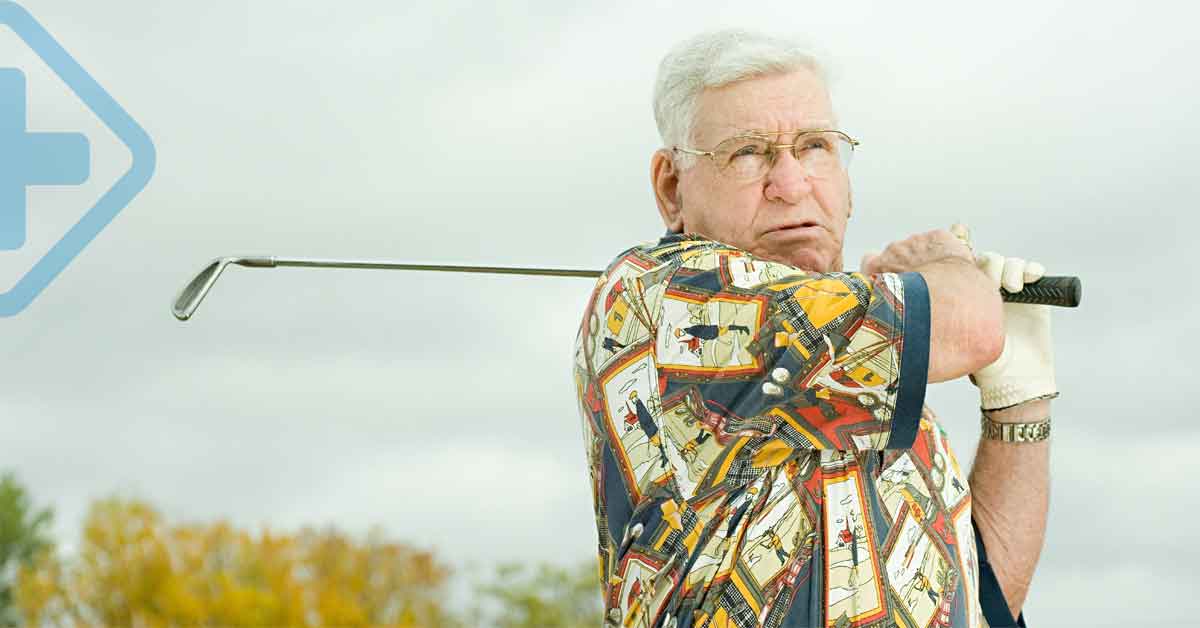
Although golf is not a sport that requires excessive force or high impact like tennis, injuries to the lower back, elbow, wrist, and shoulders are common.
The golf swing is a repetitive, complex, and combined movement that involves an effort throughout the body that, being so frequent, can affect the tendons or muscles, causing pain, discomfort, or injury.
Pain in the inner elbow is called Golfer's Elbow.
This condition causes discomfort at the junction of the tendons of the forearm muscles, often extending down the forearm and wrist.
Other factors that may contribute to the development of golfer's elbow are lack of or poor warm-up before physical activity, improper hitting, or poor pitching.
Symptoms:
-
Pain on the inside of the elbow, which is worse when specific movements are performed
-
Weakness or decrease in strength of the hands or wrists
-
Pain at launch or swing
-
Rigidity in the elbow
-
Tingling that can be felt in the little and ring fingers
Diagnosis
Golfer's elbow is diagnosed after a medical evaluation, where possibly your doctor will request some imaging studies to show the presence of inflammation or tearing in the tendons of the elbow.
Prevention
Golfer's elbow is a condition that can be prevented by taking appropriate measures:
-
Warm-up before any physical activity
-
Do frequent muscle strengthening exercises
-
Gradually increase your swing practice and efforts while playing until you reach your desired level without having caused more damage than benefits
-
Use the right equipment
-
Learn to rest properly and not to overuse your elbow
This condition is not only limited to athletes who practice golf, but it can also develop in: football players, baseball, archery, javelin, tennis, weightlifting... But not only athletes are prone to it, but also cooks, butchers, plumbers, painters, people who regularly work with computers, among other occupations that require intense and repetitive movements that are practiced for more than an hour, many days a week.
When to see your doctor
In case of presenting any of the mentioned symptoms or if the pain in the elbow persists, it is essential to consult an Orthopedic or Traumatology specialist to diagnose any problems related to Muscle Cramps and muscle aches and start treatment to control your symptoms.
When consulting your Orthopedist or Traumatologist, try to keep a record of your pain with a detailed description of the symptoms, duration, and what you think triggered them. Also, mention any medications you are taking.
BlueNet Hospitals
FAQS
What is Golfer’s Elbow?
Golfer’s elbow is an inflammation or irritation of the tendons on the inner side of the elbow, usually caused by repetitive wrist and forearm movements. Although it is common among golfers, it can also affect people who perform repetitive manual activities.
What are the symptoms of Golfer’s Elbow?
The most common symptoms include pain on the inner side of the elbow, weakness in the hand or wrist, stiffness, and in some cases, tingling that may extend into the fingers.
Does Golfer’s Elbow only affect golfers?
No. Despite its name, this condition can affect anyone who performs repetitive movements, such as lifting weights, using tools, or playing racket sports.
How can Golfer’s Elbow be treated or prevented?
Treatment may include rest, ice, physical therapy, and strengthening exercises. To prevent it, it is important to warm up before physical activity, improve technique, use proper equipment, and avoid repetitive overuse.
Trending Topics
Orthopedics and Traumatology





Trending Topics
Stroke: Symptoms, Causes & Treatment
Learn how to recognize stroke symptoms, understand its causes, and why emergency treatment can save brain function and lives.
Varicocele
Symptoms, Causes, Diagnosis, and Treatment to Protect Men's Health
Pregnancy infections (TORCH)
Risks, testing, and prevention
Anemia in Women of Reproductive Age
Symptoms, Causes, and Prevention
Health Library
Orthopedics and Traumatology
Learn more about:
- Knee Replacement
- Chronic Traumatic Encephalopathy (CTE)
- Carpal Tunnel Syndrome
- Broken Collarbone
- Osteoporosis: Symptoms, Causes, Diagnosis, and Treatment
- Hip Fracture
- Tennis elbow
- Ankle Fracture
- Sciatica: Symptoms, Causes & Treatment for Sciatic Nerve Pain
- Anterior Cruciate Ligament (ACL) Reconstruction Surgery
- Osgood-Schlatter
- Tibia Fracture
- Differences between Sprains, Strains, and Fractures
- Wrist Replacement
- Shoulder Arthroscopy: Surgery, Recovery, and Risks
- Knee Pain
- Calcaneal spur
- Wrist Ostheosynthesis
- Kyphosis or Scheuermann’s disease
- Osteoarthritis
- Hip Dysplasia
- Muscle Cramps
- Do You Need an Appointment with a Specialist?
- call us
- write us
- let's talk

