
Is Vaping Worse Than Smoking? Health Risks Explained
Learn how vaping and smoking affect your lungs, the health risks, and when to see a Pulmonology specialist.
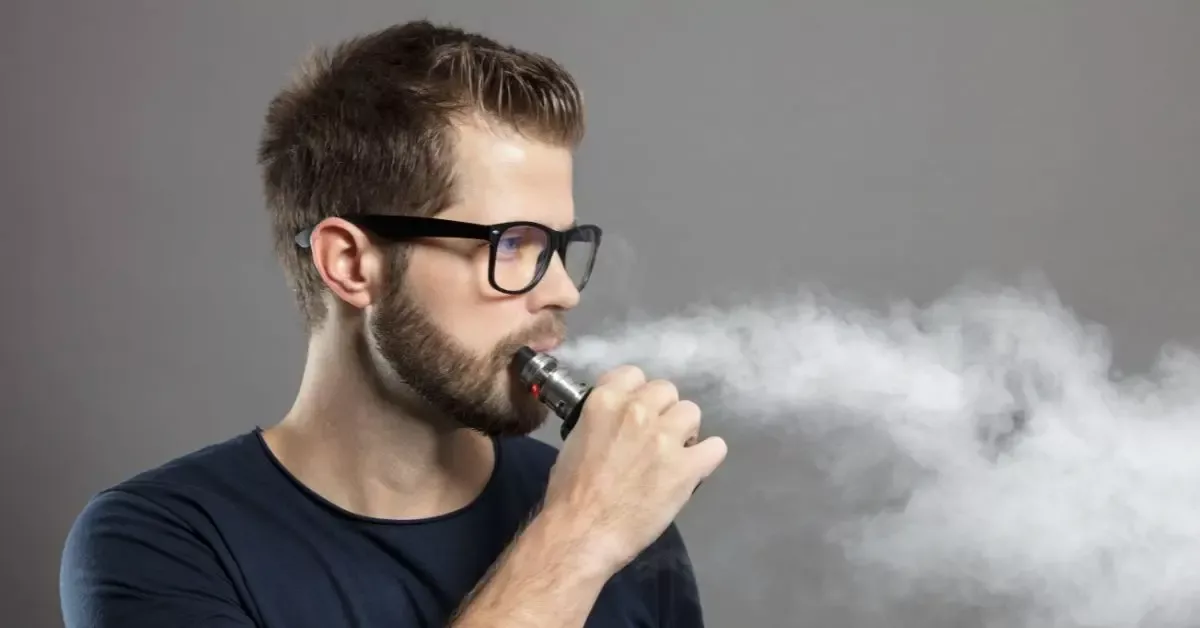
Vaping has become increasingly popular, especially among teenagers and young adults. Many people believe that e-cigarettes are a safer alternative to traditional cigarettes or an effective way to quit smoking. However, current medical evidence shows that neither smoking nor vaping is safe.
Both tobacco smoke and e-cigarette aerosol contain substances that can harm your lungs, heart, and overall health. In addition, both products can lead to nicotine addiction and increase the risk of chronic respiratory and cardiovascular diseases.
At BlueNetHospitals, our Pulmonology specialists diagnose and treat lung conditions related to smoking and vaping while helping patients safely quit nicotine and improve their respiratory health.
Is Vaping Safer Than Smoking?One of the most common questions people ask is whether vaping is less harmful than smoking cigarettes.
The answer is no tobacco or nicotine product is completely safe.
Traditional cigarettes burn tobacco, releasing more than 7,000 chemicals, many of which are toxic and known to cause cancer.
Electronic cigarettes do not burn tobacco. Instead, they heat a liquid that usually contains nicotine, flavorings, and other chemicals to produce an aerosol that is inhaled into the lungs.
Although e-cigarette aerosol generally contains fewer toxic substances than cigarette smoke, it still exposes users to potentially harmful chemicals and is not considered harmless.
Research continues to evaluate the long-term health effects of vaping, but studies have already linked it to airway inflammation, lung injury, and nicotine addiction.
How Does Smoking Affect Your Health?Smoking remains one of the leading preventable causes of disease and death worldwide.
Smoking significantly increases the risk of developing:
- Chronic Obstructive Pulmonary Disease (COPD)
- Lung cancer
- Heart disease
- Stroke
- Chronic bronchitis
- Emphysema
- Reduced lung function
- Frequent respiratory infections
Secondhand smoke also increases the risk of serious health problems in children and adults who do not smoke.
What Are the Risks of Vaping?Many people assume vaping is harmless because it does not produce tobacco smoke.
However, medical research has shown that vaping may contribute to:
- Airway irritation and inflammation
- Persistent cough
- Shortness of breath
- Reduced lung function
- E-cigarette or Vaping Product Use-Associated Lung Injury (EVALI)
- Nicotine addiction
- Increased heart rate and blood pressure
Although researchers continue studying the long-term effects, major health organizations agree that vaping should not be considered risk-free.
Do Vapes Contain Nicotine?In most cases, yes.
Many vaping devices contain nicotine levels equal to—or even higher than—those found in traditional cigarettes.
Nicotine is a highly addictive substance that can:
- Increase blood pressure
- Raise heart rate
- Cause nicotine dependence
- Affect normal brain development in adolescents and young adults
Even some products labeled "nicotine-free" have been found to contain measurable amounts of nicotine.
Can Vaping Help You Quit Smoking?Many people turn to e-cigarettes hoping they will make quitting easier.
The reality is more complicated.
Some adult smokers may use e-cigarettes as part of a structured smoking cessation plan under medical supervision. However, e-cigarettes are not considered first-line treatment for quitting smoking, and many users continue smoking traditional cigarettes while vaping, maintaining their nicotine addiction.
Current clinical guidelines recommend evidence-based smoking cessation programs that may include:
- Behavioral counseling
- Nicotine replacement therapy
- Prescription medications when appropriate
- Ongoing medical support
These approaches have stronger scientific evidence for helping people quit successfully.
How Does Vaping Affect Teenagers?Vaping among teenagers is a growing public health concern.
Nicotine exposure during adolescence can interfere with normal brain development, affecting attention, learning, memory, and impulse control.
Young people who begin vaping are also more likely to develop nicotine dependence and eventually use other tobacco products.
For these reasons, major medical organizations strongly discourage vaping among adolescents and young adults.
Benefits of Quitting Smoking or VapingYour body begins to recover almost immediately after you stop using nicotine.
Over time, quitting smoking or vaping can:
- Lower blood pressure and heart rate
- Improve circulation
- Increase lung function
- Reduce coughing and shortness of breath
- Lower the risk of heart disease
- Reduce the risk of lung cancer and other smoking-related illnesses
- Improve overall quality of life
It is never too late to quit. The sooner you stop, the greater the health benefits.
When Should You See a Pulmonologist?Schedule an appointment with a Pulmonology specialist if you:
- Have a persistent cough.
- Experience shortness of breath.
- Notice decreased exercise tolerance.
- Have smoked for many years.
- Vape regularly.
- Want medical support to quit nicotine.
- Develop frequent respiratory infections.
- Have concerns about your lung health.
An evaluation by a Pulmonologist can help detect early signs of lung disease and provide a personalized treatment plan.
Pulmonology Care in Los CabosAt BlueNetHospitals, our Pulmonology specialists diagnose and treat respiratory diseases related to smoking, vaping, and other lung conditions.
We also provide personalized smoking cessation support to help patients quit nicotine safely and protect their long-term lung health.
Schedule an Appointment with a PulmonologistIf you smoke, vape, or have developed respiratory symptoms, early evaluation can help protect your lungs and reduce your risk of chronic disease.
📲 Schedule your appointment via WhatsApp: +52 (624) 151 0693
Receive expert Pulmonology care and personalized support to improve your respiratory health.
Frequently Asked Questions1. Is vaping safer than smoking?
No. While e-cigarettes generally expose users to fewer toxic chemicals than traditional cigarettes, they are not safe and can still damage the lungs and cardiovascular system.
2. Can vaping damage your lungs?Yes. Vaping has been associated with airway inflammation, reduced lung function, chronic respiratory symptoms, and EVALI (E-cigarette or Vaping Product Use-Associated Lung Injury).
3. Do all vapes contain nicotine?Most do. Even some products marketed as nicotine-free have been found to contain measurable amounts of nicotine.
4. Can vaping help me quit smoking?Some adult smokers may use vaping as part of a medically supervised smoking cessation plan. However, e-cigarettes are not considered the preferred first-line treatment. Evidence-based therapies such as counseling, nicotine replacement therapy, and prescription medications remain the most effective options.
5. What are the benefits of quitting smoking or vaping?Quitting nicotine improves lung function, lowers the risk of heart disease, reduces the likelihood of smoking-related cancers, improves breathing, and enhances overall health and quality of life.
6. When should I see a Pulmonologist?You should schedule an appointment if you have a chronic cough, shortness of breath, a history of smoking or vaping, frequent respiratory infections, or if you want professional help quitting nicotine.
7. Where can I see a Pulmonologist in Los Cabos?At BlueNetHospitals, our Pulmonology specialists provide comprehensive evaluation, diagnosis, treatment, and smoking cessation support for patients with lung diseases related to smoking, vaping, and other respiratory conditions.






Trending Topics
Stroke: Symptoms, Causes & Treatment
Learn how to recognize stroke symptoms, understand its causes, and why emergency treatment can save brain function and lives.
Varicocele
Symptoms, Causes, Diagnosis, and Treatment to Protect Men's Health
Pregnancy infections (TORCH)
Risks, testing, and prevention
Anemia in Women of Reproductive Age
Symptoms, Causes, and Prevention
Health Library
Pneumology
- Do You Need an Appointment with a Specialist?
- call us
- write us
- let's talk

