
Chronic Obstructive Pulmonary Disease (COPD)
Symptoms, Causes, and Treatment
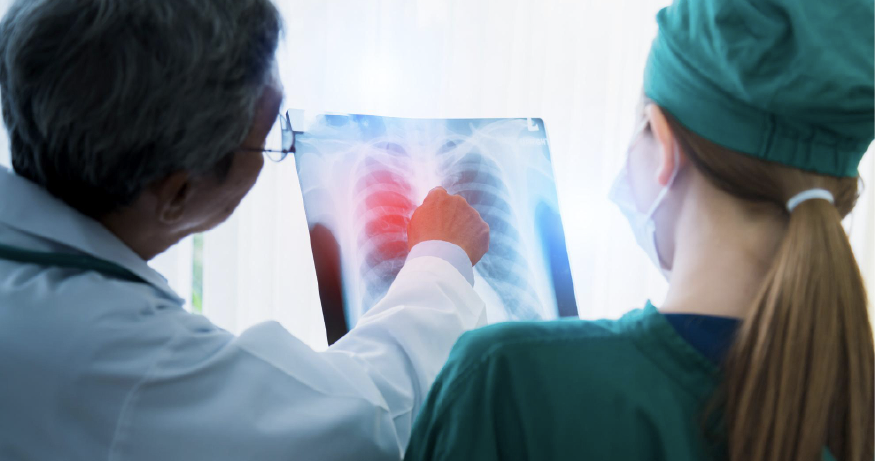
Early diagnosis and proper treatment can help improve the quality of life for people living with COPD.
Chronic Obstructive Pulmonary Disease (COPD) is a progressive respiratory condition that makes it difficult for air to flow in and out of the lungs. It is one of the leading causes of illness and disability worldwide, significantly affecting the daily lives of millions of people.
Although COPD has no cure, early diagnosis and appropriate treatment can help manage symptoms, reduce complications, and improve breathing and overall quality of life.
What Is COPD?
COPD is a group of chronic lung diseases that cause persistent airflow obstruction. The two most common conditions associated with COPD are:
- Chronic bronchitis.
- Emphysema.
These conditions may occur separately or together, progressively reducing lung function and making everyday activities more difficult.
Common Symptoms of COPD
Symptoms usually develop gradually and worsen over time. The most common include:
- Shortness of breath.
- Chronic cough.
- Excess mucus or phlegm production.
- Wheezing.
- Chest tightness.
- Frequent fatigue or low energy.
As the disease progresses, even simple activities such as walking or climbing stairs may become challenging.
What Causes COPD?
The most common cause of COPD is long-term exposure to cigarette smoke. However, several other factors may also increase the risk of developing the disease.
Smoking
Smoking cigarettes is the leading risk factor for COPD. Lung damage caused by tobacco smoke accumulates over many years.
Exposure to Air Pollutants
Frequent exposure to dust, chemicals, wood smoke, or environmental pollution can damage the lungs and increase the risk of COPD.
Genetic Factors
Some people inherit genetic conditions that make them more susceptible to developing COPD, even if they have never smoked.
How Is COPD Diagnosed?
Diagnosis typically includes a complete medical evaluation, review of medical history, and specialized diagnostic testing.
Common tests include:
- Spirometry.
- Chest X-ray.
- Computed Tomography (CT) scan.
- Pulmonary function tests.
- Blood oxygen level testing.
Early evaluation allows specialists to identify COPD in its initial stages and begin treatment as soon as possible.
Treatment Options
Although lung damage caused by COPD cannot be completely reversed, several treatments can help control symptoms and improve quality of life.
Quit Smoking
Stopping smoking is the single most important step to slow the progression of COPD.
Inhaled Medications
Inhalers help open the airways, making it easier to breathe and improving airflow to the lungs.
Pulmonary Rehabilitation
These specialized programs combine exercise, education, and breathing techniques to improve lung function and daily activity levels.
Oxygen Therapy
Some patients may require supplemental oxygen to maintain healthy oxygen levels in their blood.
Can COPD Be Prevented?
In many cases, yes. The following measures can help reduce the risk of developing COPD:
- Avoid smoking.
- Stay away from secondhand smoke.
- Wear respiratory protection in high-risk work environments.
- Reduce exposure to air pollution whenever possible.
- Schedule regular medical checkups if you have risk factors.
Why See a Pulmonology Specialist?
COPD is a chronic condition that requires ongoing medical care. Early diagnosis allows specialists to develop a personalized treatment plan that can help slow disease progression and improve long-term quality of life.
If you experience a persistent cough, shortness of breath, wheezing, or have a history of smoking, it is important to schedule an evaluation with a pulmonology specialist.
Schedule Your Medical Evaluation in Los Cabos
The Pulmonology Specialists are available to evaluate your respiratory health and develop a personalized treatment plan tailored to your needs.
📲 Schedule your appointment via WhatsApp
+52 624 151 0693
Frequently Asked Questions
1. What does COPD stand for?
COPD stands for Chronic Obstructive Pulmonary Disease, a long-term condition that limits airflow in the lungs and makes breathing difficult.
2. Can COPD be cured?
There is currently no cure for COPD, but treatments can help manage symptoms, improve breathing, and slow disease progression.
3. Does smoking always cause COPD?
Not everyone who smokes develops COPD, but smoking is the leading risk factor for the disease.
4. How is COPD diagnosed?
Spirometry is one of the most common and effective tests used to diagnose COPD and assess lung function.
5. When should I see a pulmonologist?
You should consult a pulmonologist if you have persistent coughing, shortness of breath, wheezing, or a significant history of smoking or exposure to lung irritants.





Cystic Fibrosis
What is Cystic Fibrosis, and what are its symptoms?
Chronic Cough
Here are some recommendations to consider that could help reduce discomfort. Talk to your Doctor about it.
Airway-Obstruction
Symptoms and Prevention
Pneumonia
Chest pain when coughing or breathing? Difficulty breathing? Schedule Your Appointment Today.
- Do You Need an Appointment with a Specialist?
- call us
- write us
- let's talk

