
Pediatrics and Neonatology
How to Prevent Household Accidents in Children Prevention
Falls, burns, choking, and poisoning can happen in seconds. Learn how to create a safer home and protect your children from common household accidents.
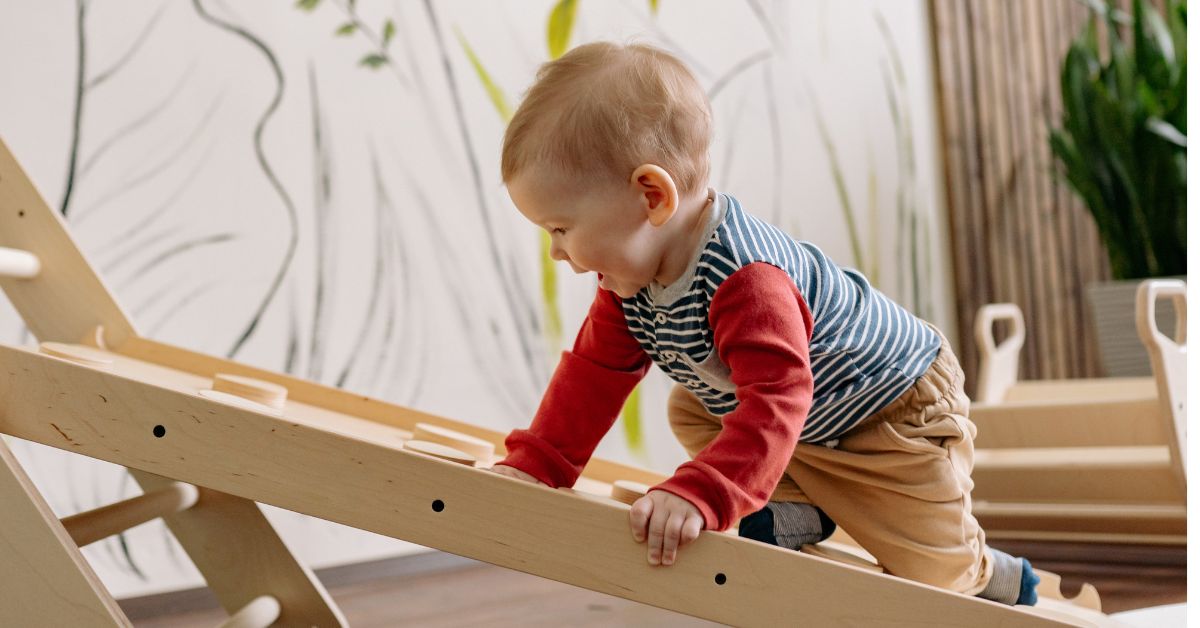
How to Prevent Household Accidents in Children: Essential Home Safety Tips for Parents
Home is where families feel safest. But for babies and children, it can also be one of the most common places for accidents and injuries to happen.
Falls, burns, choking, poisoning, and cuts are among the leading reasons children are taken to the emergency room every year. The good news is that many of these accidents can be prevented with simple safety measures and better awareness at home.
Children are naturally curious. As they grow, they explore, climb, touch, and investigate everything around them without understanding danger. That’s why prevention plays such an important role in keeping them safe.
In this article, you’ll learn the most common household accidents by age, practical childproofing tips, and what to do in case of a pediatric emergency.
Why Are Household Accidents So Common in Children?
Children learn through movement and exploration. As they develop new abilities, everyday objects and situations inside the home can quickly become dangerous.
Some of the most common causes of accidents at home include:
Common Household Accidents by Age
Every age comes with different risks. Knowing what to expect can help parents create a safer environment for their children.
Newborns to 6 Months
During the first months of life, babies are especially vulnerable to:
6 Months to 1 Year
As babies begin crawling and exploring with their hands and mouth, the risk of accidents increases.
Common accidents at this stage include:
1 to 3 Years Old
Toddlers are learning to walk, climb, and run, but they still have little awareness of danger.
The most common injuries include:
3 to 6 Years Old
Preschool children become even more curious and independent.
Accidents at this stage often involve:
6 to 12 Years Old
School-age children are more physically active and socially independent.
Common injuries include:
How to Prevent Household Accidents in Children
Creating a safer home environment doesn’t have to be complicated. Small changes can make a big difference.
Keep Cleaning Products Locked Away
Cleaning supplies are one of the leading causes of accidental poisoning in children.
To improve safety:
Store Medications and Personal Care Products Safely
Children often imitate adults and may try to use products they see every day.
Keep these items secured:
Keep Sharp and Breakable Objects Out of Reach
Knives, scissors, razors, tools, and glass items should always be stored safely.
Helpful safety tips include:
Babies and toddlers naturally place objects in their mouth, increasing the risk of choking.
Keep small objects away from children, including:
Improve Electrical Safety at Home
Electrical outlets and cords can pose serious risks for children.
To reduce accidents:
Stairs are a common source of injuries in young children.
To improve safety:
Many burns happen in the kitchen or bathroom.
Important safety measures include:
Why Every Family Should Have a First Aid Kit
A basic first aid kit can help parents respond quickly to minor injuries.
Your kit should include:
What to Do During a Household Emergency
If an accident happens, staying calm is extremely important.
During an emergency:
Pediatric Emergency Care in Los Cabos
At BlueNetHospitals, we provide specialized pediatric emergency care for children experiencing accidents and medical emergencies.
Our medical team is prepared to treat:
Household accidents in children are more common than many parents realize, but many of them can be prevented with simple safety measures at home.
Supervision, prevention, and creating safer spaces for children can make a significant difference in reducing risks and avoiding emergencies.
At BlueNetHospitals, we provide specialized pediatric emergency care in Los Cabos, offering timely medical attention for children and peace of mind for families when it matters most.
📲 Emergency Line:
624 1043 911
The most common accidents include falls, burns, choking, poisoning, and cuts.
2. How can I make my home safer for my child?
Installing safety gates, covering outlets, storing dangerous products securely, and supervising children closely are some of the best ways to improve home safety.
3. What should I do if my child drinks a cleaning product?
Seek emergency medical attention immediately. Do not induce vomiting unless instructed by a healthcare professional.
4. When should I take my child to the emergency room after a fall?
You should seek medical care if your child has vomiting, loss of consciousness, severe pain, difficulty walking, excessive sleepiness, or unusual behavior after a fall.
5. How can I prevent burns in children?
Keep children away from hot surfaces, turn pot handles inward, avoid leaving hot liquids unattended, and supervise bath time carefully.
6. What objects are the biggest choking hazards for children?
Coins, batteries, small toy parts, marbles, balloons, and bottle caps are among the most common choking hazards.
7. What should a family first aid kit include?
A basic kit should contain bandages, gauze, antiseptic solution, adhesive bandages, a thermometer, and emergency contact information.
8. Can most household accidents be prevented?
Many childhood accidents can be prevented through supervision, childproofing, and age-appropriate safety measures.
Home is where families feel safest. But for babies and children, it can also be one of the most common places for accidents and injuries to happen.
Falls, burns, choking, poisoning, and cuts are among the leading reasons children are taken to the emergency room every year. The good news is that many of these accidents can be prevented with simple safety measures and better awareness at home.
Children are naturally curious. As they grow, they explore, climb, touch, and investigate everything around them without understanding danger. That’s why prevention plays such an important role in keeping them safe.
In this article, you’ll learn the most common household accidents by age, practical childproofing tips, and what to do in case of a pediatric emergency.
Why Are Household Accidents So Common in Children?
Children learn through movement and exploration. As they develop new abilities, everyday objects and situations inside the home can quickly become dangerous.
Some of the most common causes of accidents at home include:
- Lack of supervision
- Unsafe furniture or stairs
- Cleaning products within reach
- Hot liquids and kitchen burns
- Small choking hazards
- Exposed electrical outlets
- Sharp or breakable objects
- “How to childproof a home”
- “Most common accidents in children at home”
- “How to prevent falls in toddlers”
- “Home safety tips for babies”
- “What to do if my child gets burned”
Common Household Accidents by Age
Every age comes with different risks. Knowing what to expect can help parents create a safer environment for their children.
Newborns to 6 Months
During the first months of life, babies are especially vulnerable to:
- Falls from beds or changing tables
- Suffocation hazards in cribs
- Burns from hot bath water
- Unsafe sleeping environments
6 Months to 1 Year
As babies begin crawling and exploring with their hands and mouth, the risk of accidents increases.
Common accidents at this stage include:
- Choking
- Swallowing small objects
- Falls
- Minor head injuries
- Poisoning risks
1 to 3 Years Old
Toddlers are learning to walk, climb, and run, but they still have little awareness of danger.
The most common injuries include:
- Falls
- Burns
- Cuts
- Electrical injuries
- Bumps and bruises
3 to 6 Years Old
Preschool children become even more curious and independent.
Accidents at this stage often involve:
- Medications
- Cleaning products
- Sharp objects
- Choking hazards
- Unsafe play activities
6 to 12 Years Old
School-age children are more physically active and socially independent.
Common injuries include:
- Sports injuries
- Falls and fractures
- Bicycle accidents
- Playground injuries
- Traffic-related accidents
How to Prevent Household Accidents in Children
Creating a safer home environment doesn’t have to be complicated. Small changes can make a big difference.
Keep Cleaning Products Locked Away
Cleaning supplies are one of the leading causes of accidental poisoning in children.
To improve safety:
- Store bleach, detergents, and disinfectants in locked cabinets
- Keep products out of children’s reach
- Always use original containers
- Never transfer chemicals into drink bottles or food containers
- Choose child-resistant packaging whenever possible
Store Medications and Personal Care Products Safely
Children often imitate adults and may try to use products they see every day.
Keep these items secured:
- Medications
- Mouthwash
- Nail polish
- Perfume
- Hair products
- Makeup and cosmetics
Keep Sharp and Breakable Objects Out of Reach
Knives, scissors, razors, tools, and glass items should always be stored safely.
Helpful safety tips include:
- Installing cabinet locks
- Keeping dangerous objects in secured drawers
- Using plastic dishes for young children
- Avoiding glass objects near play areas
Babies and toddlers naturally place objects in their mouth, increasing the risk of choking.
Keep small objects away from children, including:
- Coins
- Batteries
- Buttons
- Marbles
- Small toy parts
- Bottle caps
Improve Electrical Safety at Home
Electrical outlets and cords can pose serious risks for children.
To reduce accidents:
- Install outlet covers
- Unplug appliances after use
- Avoid exposed or damaged wires
- Keep extension cords hidden or secured
- Teach children not to touch electrical outlets
Stairs are a common source of injuries in young children.
To improve safety:
- Install safety gates
- Make sure handrails are secure
- Keep stairs well lit
- Avoid leaving toys on steps
Many burns happen in the kitchen or bathroom.
Important safety measures include:
- Never cook while holding a baby
- Keep children away from the stove
- Turn pot handles inward
- Keep hot drinks away from edges
- Store matches and lighters securely
- Test bath water temperature before bathing children
Why Every Family Should Have a First Aid Kit
A basic first aid kit can help parents respond quickly to minor injuries.
Your kit should include:
- Bandages
- Gauze
- Antiseptic solution
- Cotton
- Adhesive bandages
- Thermometer
- Emergency contact numbers
What to Do During a Household Emergency
If an accident happens, staying calm is extremely important.
During an emergency:
- Check your child’s condition
- Avoid unsafe home remedies
- Do not give medication unless instructed by a doctor
- Seek immediate medical care for breathing difficulties, severe burns, loss of consciousness, or serious injuries
Pediatric Emergency Care in Los Cabos
At BlueNetHospitals, we provide specialized pediatric emergency care for children experiencing accidents and medical emergencies.
Our medical team is prepared to treat:
- Falls and injuries
- Burns
- Poisoning
- Cuts and lacerations
- Choking emergencies
- Pediatric urgent care conditions
Household accidents in children are more common than many parents realize, but many of them can be prevented with simple safety measures at home.
Supervision, prevention, and creating safer spaces for children can make a significant difference in reducing risks and avoiding emergencies.
At BlueNetHospitals, we provide specialized pediatric emergency care in Los Cabos, offering timely medical attention for children and peace of mind for families when it matters most.
📲 Emergency Line:
624 1043 911
FAQ – Frequently Asked Questions
1. What are the most common household accidents in children?The most common accidents include falls, burns, choking, poisoning, and cuts.
2. How can I make my home safer for my child?
Installing safety gates, covering outlets, storing dangerous products securely, and supervising children closely are some of the best ways to improve home safety.
3. What should I do if my child drinks a cleaning product?
Seek emergency medical attention immediately. Do not induce vomiting unless instructed by a healthcare professional.
4. When should I take my child to the emergency room after a fall?
You should seek medical care if your child has vomiting, loss of consciousness, severe pain, difficulty walking, excessive sleepiness, or unusual behavior after a fall.
5. How can I prevent burns in children?
Keep children away from hot surfaces, turn pot handles inward, avoid leaving hot liquids unattended, and supervise bath time carefully.
6. What objects are the biggest choking hazards for children?
Coins, batteries, small toy parts, marbles, balloons, and bottle caps are among the most common choking hazards.
7. What should a family first aid kit include?
A basic kit should contain bandages, gauze, antiseptic solution, adhesive bandages, a thermometer, and emergency contact information.
8. Can most household accidents be prevented?
Many childhood accidents can be prevented through supervision, childproofing, and age-appropriate safety measures.
Trending Topics
Pediatrics and Neonatology







Trending Topics
Stroke: Symptoms, Causes & Treatment
Learn how to recognize stroke symptoms, understand its causes, and why emergency treatment can save brain function and lives.
Varicocele
Symptoms, Causes, Diagnosis, and Treatment to Protect Men's Health
Pregnancy infections (TORCH)
Risks, testing, and prevention
Anemia in Women of Reproductive Age
Symptoms, Causes, and Prevention
Health Library
Pediatrics and Neonatology
- Do You Need an Appointment with a Specialist?
- call us
- write us
- let's talk

