
Measles in Children: Symptoms, Treatment & Prevention
Learn how measles spreads, which symptoms to watch for, and when your child should see a Pediatrician.
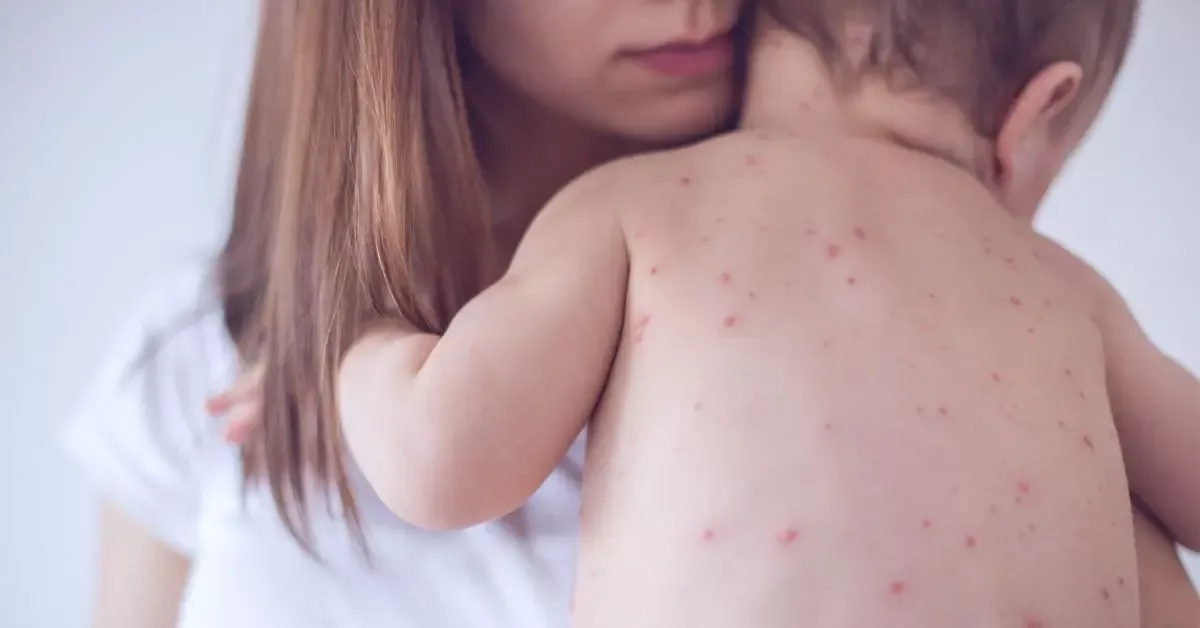
Measles in Children: Symptoms, Treatment, Prevention, and When to See a Pediatrician
Measles is one of the most contagious viral diseases in the world. Although it can be prevented with vaccination, outbreaks have re-emerged in several countries in recent years due to declining vaccination rates and increased international travel.
Young children, especially those who are unvaccinated or have weakened immune systems, are at greater risk of developing serious complications such as pneumonia, encephalitis, and dehydration.
Recognizing the early signs of measles, knowing how the virus spreads, and ensuring children receive their recommended vaccinations are the most effective ways to protect their health.
At BlueNetHospitals, our Pediatric specialists provide comprehensive diagnosis, treatment, and follow-up care for childhood infectious diseases while helping families keep their children's immunizations up to date.
What Is Measles?
Measles is a highly contagious viral infection caused by the measles virus (Measles morbillivirus), a member of the Paramyxoviridae family.
Before vaccines became widely available, measles was one of the leading causes of childhood illness and death worldwide.
According to the World Health Organization (WHO), a person infected with measles can spread the virus to 12 to 18 susceptible individuals, making it one of the most contagious infectious diseases known.
While most healthy children recover completely, measles can cause serious complications, particularly in:
- Children younger than five years
- Infants
- Individuals with weakened immune systems
- Malnourished children
- Pregnant women
How Does Measles Spread?
Measles spreads extremely easily through the air.
The virus is transmitted when an infected person:
- Coughs
- Sneezes
- Talks
- Breathes near others
The virus can remain suspended in the air or survive on surfaces for up to two hours, allowing infection even after the infected individual has left the area.
A person with measles is contagious from approximately four days before the rash appears until four days after the rash begins.
Because people can spread the virus before realizing they are sick, measles outbreaks can develop rapidly in communities with low vaccination coverage.
Symptoms of Measles in Children
Symptoms usually develop 7 to 14 days after exposure to the virus.
Early symptoms often resemble a severe cold or flu-like illness.
Common early symptoms include:
- High fever, often above 102°F (39°C)
- Persistent cough
- Runny nose
- Red, watery eyes (conjunctivitis)
- Sensitivity to light
- Fatigue
- Loss of appetite
One of the earliest signs specific to measles is the appearance of Koplik spots—tiny white spots with bluish centers that develop inside the mouth one to two days before the rash.
Several days later, the characteristic measles rash appears.
The rash typically:
- Begins on the face and behind the ears
- Spreads to the neck
- Extends to the chest and trunk
- Finally reaches the arms, legs, hands, and feet
The rash usually lasts five to six days before gradually fading.
When Should You See a Pediatrician?
Seek medical care immediately if your child develops:
- High fever accompanied by a rash
- Persistent cough
- Difficulty breathing
- Severe lethargy or unusual drowsiness
- Signs of dehydration
- Seizures
- Confusion or decreased alertness
This allows healthcare staff to take appropriate infection-control precautions and helps protect other patients, particularly infants, pregnant women, older adults, and individuals with weakened immune systems.
How Is Measles Diagnosed?
A Pediatrician will begin with a detailed medical history and physical examination.
The evaluation includes reviewing:
- Symptoms
- Vaccination history
- Recent travel
- Exposure to confirmed or suspected measles cases
When measles is suspected, laboratory testing may include:
- Measles-specific IgM antibody testing
- PCR testing to detect the measles virus
- Additional public health investigations when required
Because measles is a nationally reportable disease in many countries, suspected cases are typically reported to public health authorities to help prevent further transmission.
Why Early Diagnosis Matters
Prompt diagnosis allows physicians to:
- Confirm the infection
- Monitor for complications
- Reduce the risk of spreading the virus to others
- Provide supportive care as early as possible
Early medical evaluation is especially important for infants, young children, pregnant women, and individuals with weakened immune systems, who are at higher risk for severe illness.
Treatment for Measles
There is currently no specific antiviral medication that cures measles.
Treatment focuses on relieving symptoms, preventing complications, and supporting the body's recovery while the immune system clears the infection.
Depending on your child's condition, treatment may include:
Hydration
High fever and poor appetite can lead to dehydration, particularly in young children.
Encouraging fluids and monitoring hydration are essential during recovery.
Fever Management
Your Pediatrician may recommend age-appropriate fever-reducing medications to improve comfort.
Aspirin should never be given to children with viral illnesses because it has been associated with Reye's syndrome, a rare but potentially life-threatening condition.
Nutrition
A balanced diet and adequate nutrition support the immune system during recovery.
Children who have difficulty eating should be monitored closely to prevent dehydration and nutritional deficiencies.
Vitamin A
The World Health Organization (WHO) recommends Vitamin A supplementation for certain children diagnosed with measles because it has been shown to reduce the risk of severe complications and death, particularly in populations where Vitamin A deficiency is common.
However, it is important to understand that:
- Vitamin A does not prevent measles.
- Vitamin A is not a substitute for vaccination.
- Vitamin A should only be given under medical supervision, since excessive doses may be harmful.
Antibiotics
Antibiotics do not treat the measles virus.
They are prescribed only when a child develops a secondary bacterial infection, such as:
- Pneumonia
- Ear infections (otitis media)
Possible Complications
Although many children recover without long-term problems, measles can sometimes cause serious complications.
The most common include:
- Ear infections
- Pneumonia
- Laryngotracheitis (croup)
- Diarrhea
- Dehydration
Less common but more serious complications include:
- Encephalitis (brain inflammation)
- Seizures
- Permanent neurological damage
- Subacute Sclerosing Panencephalitis (SSPE), a rare but fatal neurological disorder that may develop years after measles infection.
According to the Centers for Disease Control and Prevention (CDC) and the World Health Organization (WHO), pneumonia remains the leading cause of measles-related deaths in children.
How Can Measles Be Prevented?
Vaccination is the most effective way to prevent measles.
The MMR vaccine (Measles, Mumps, and Rubella) provides more than 95% protection after two doses.
In the United States, the CDC recommends:
- First dose: 12 to 15 months of age
- Second dose: 4 to 6 years of age
Children traveling internationally may require vaccination earlier in certain situations. Your Pediatrician can determine the most appropriate schedule.
High vaccination coverage not only protects vaccinated children but also helps protect infants, pregnant women, and individuals who cannot receive vaccines because of certain medical conditions.
What Should You Do If Your Child Has Been Exposed to Measles?
If your child has been in contact with someone diagnosed with measles:
- Contact your Pediatrician as soon as possible.
- Verify that your child's vaccinations are up to date.
- Follow medical recommendations regarding isolation if necessary.
- Keep your child home from school or daycare if advised.
In some cases, depending on your child's age, vaccination status, and the time since exposure, your Pediatrician may recommend post-exposure vaccination or immune globulin to reduce the risk of severe illness.
Vaccination Protects Your Child and Your Community
Measles is one of the most preventable childhood diseases.
Keeping your child's vaccinations up to date protects not only your family but also newborns, individuals with weakened immune systems, and others who rely on community immunity for protection.
If your child develops symptoms compatible with measles, early medical evaluation can help reduce complications and limit the spread of infection.
Expert Pediatric Care in Los Cabos
At BlueNetHospitals, our Pediatric specialists provide comprehensive care for measles and other childhood infectious diseases.
Our team offers:
- Pediatric consultations
- Vaccination guidance
- Diagnosis of childhood infectious diseases
- Treatment and follow-up care
- Preventive pediatric healthcare
- Family education on disease prevention
We are committed to delivering evidence-based pediatric care focused on protecting children's health at every stage of development.
Schedule an Appointment with a Pediatrician
If your child has a high fever, rash, persistent cough, red eyes, or has been exposed to someone with measles, early medical evaluation can help confirm the diagnosis and reduce the risk of serious complications.
At BlueNetHospitals, our Pediatric specialists provide personalized, evidence-based care for infectious diseases and preventive child healthcare.
📲 Schedule your appointment via WhatsApp: +52 (624) 151 0693
Receive expert Pediatric care in Los Cabos and help protect your child's health through early diagnosis, vaccination, and compassionate medical care.
Frequently Asked Questions
1. What is measles?
Measles is a highly contagious viral disease that causes fever, cough, red eyes, and a characteristic rash that spreads across the body.
2. How does measles spread?
Measles spreads through airborne respiratory droplets and aerosols when an infected person coughs, sneezes, talks, or breathes. The virus can remain in the air for up to two hours.
3. What are the first signs of measles?
Early symptoms usually include high fever, cough, runny nose, red eyes, and fatigue. The rash typically appears several days later.
4. Is there a cure for measles?
There is no specific antiviral cure for measles. Treatment focuses on symptom relief, hydration, fever management, and preventing complications.
5. Does Vitamin A prevent measles?
No. Vitamin A does not prevent measles and should never replace vaccination. It may be recommended by a healthcare provider for certain children diagnosed with measles to reduce the risk of severe complications.
6. Is the MMR vaccine safe?
Yes. The MMR vaccine is safe, highly effective, and remains the best way to protect children against measles, mumps, and rubella.
7. When should I take my child to a Pediatrician?
Seek medical care if your child develops a high fever with a rash, difficulty breathing, dehydration, seizures, unusual drowsiness, or has been exposed to someone with measles.
8. Where can I find pediatric care for measles in Los Cabos?
At BlueNetHospitals, our Pediatric specialists provide diagnosis, treatment, follow-up care, and vaccination guidance for measles and other childhood infectious diseases using the latest evidence-based medical recommendations.
Trending Topics
Pediatrics and Neonatology






Trending Topics
Stroke: Symptoms, Causes & Treatment
Learn how to recognize stroke symptoms, understand its causes, and why emergency treatment can save brain function and lives.
Varicocele
Symptoms, Causes, Diagnosis, and Treatment to Protect Men's Health
Pregnancy infections (TORCH)
Risks, testing, and prevention
Anemia in Women of Reproductive Age
Symptoms, Causes, and Prevention
Health Library
Pediatrics and Neonatology
- Do You Need an Appointment with a Specialist?
- call us
- write us
- let's talk

