
Headaches in Children: Causes and When to Worry
Learn the causes of headaches in children, warning signs, and when to see a Pediatrician in Los Cabos.
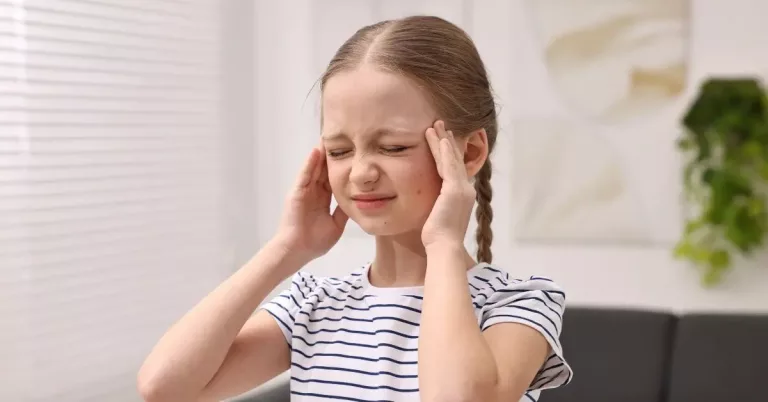
Headaches are one of the most common reasons children visit a healthcare provider. While most headaches are not caused by a serious medical condition, frequent or severe headaches can affect a child's school performance, sleep, mood, and overall quality of life.
Children can experience many of the same types of headaches as adults, including migraine and tension-type headaches. The good news is that most pediatric headaches can be successfully managed with an accurate diagnosis, healthy lifestyle habits, and the right treatment plan.
At BlueNetHospitals, our Pediatric specialists provide comprehensive evaluations to identify the underlying cause of headaches in children. When necessary, we collaborate with Pediatric Neurology, Ophthalmology, and Child Psychology to deliver personalized, evidence-based care.
Are Headaches Common in Children?Yes.
Headaches are relatively common throughout childhood and adolescence. According to the American Academy of Pediatrics (AAP) and the American Academy of Neurology (AAN), most headaches in children are classified as primary headaches, meaning they are not caused by another underlying disease.
The two most common primary headache disorders in children are:
- Migraine
- Tension-type headache
Although most headaches are not dangerous, persistent or recurring headaches should always be evaluated by a Pediatrician.
What Causes Headaches in Children?Headaches can develop for many different reasons, and often more than one factor contributes to an episode.
Some of the most common causes include:
- Lack of sleep
- Dehydration
- Skipping meals
- Emotional stress
- Anxiety
- Viral illnesses or fever
- Vision problems that require correction
- Extended screen time
- Certain medications
- A family history of migraine
Identifying triggers is often one of the most effective ways to reduce headache frequency.
The Most Common Types of Headaches in ChildrenPediatric Migraine
Migraine is one of the leading causes of recurrent headaches in children.
Unlike adults, children often experience migraine pain on both sides of the head, and attacks may be shorter in duration.
Common symptoms include:
- Moderate to severe throbbing headache
- Nausea
- Vomiting
- Sensitivity to light (photophobia)
- Sensitivity to sound (phonophobia)
- Dizziness
- Needing to rest in a quiet, dark room
Some children experience a migraine aura, which may include temporary visual disturbances such as flashing lights or blurred vision before the headache begins.
Tension-Type HeadachesTension headaches are also very common during childhood.
They are frequently associated with muscle tension, emotional stress, anxiety, poor posture, or fatigue.
Typical symptoms include:
- Mild to moderate pain
- A constant pressure or tight band around the head
- Pain affecting both sides of the head
- Headaches that usually do not worsen with physical activity
Although uncomfortable, tension headaches are generally less disabling than migraines.
Can Stress Cause Headaches in Children?Absolutely.
Stress is one of the most common headache triggers in school-age children and adolescents.
Situations that may contribute include:
- School exams
- Academic pressure
- Bullying
- Family conflict
- Busy schedules
- Poor sleep habits
Stress does not mean the headache is "imaginary." Emotional stress can trigger real biological changes that contribute to headache disorders, particularly tension headaches and migraine.
When emotional factors play a significant role, your Pediatrician may recommend an evaluation with a Child Psychologist. Evidence-based therapies such as Cognitive Behavioral Therapy (CBT) have been shown to reduce headache frequency and improve coping skills in children with recurrent migraines.
When Should Parents Be Concerned?Most childhood headaches are not emergencies, but certain warning signs require immediate medical attention.
Seek emergency care or contact your Pediatrician immediately if your child's headache:
- Starts suddenly and is extremely severe
- Becomes progressively worse over time
- Repeatedly wakes your child during the night
- Is accompanied by fever and a stiff neck
- Causes persistent vomiting, especially in the morning
- Occurs after a significant head injury
- Is associated with difficulty walking or maintaining balance
- Causes weakness or numbness
- Is accompanied by difficulty speaking
- Causes seizures
- Leads to loss of consciousness
- Is associated with double vision or sudden vision changes
These symptoms require prompt medical evaluation.
How Are Headaches Diagnosed?Diagnosis begins with a thorough medical history and physical examination.
Your Pediatrician will ask questions about:
- When the headaches started
- How often they occur
- Pain intensity
- Duration
- Location of the pain
- Associated symptoms
- Family history
- Sleep habits
- Nutrition
- Hydration
- Emotional stress
- School performance
A complete neurological examination is also performed.
Contrary to popular belief, most children with headaches do not need a CT scan or MRI.
Brain imaging is recommended only when there are abnormal neurological findings or specific warning signs that suggest another medical condition.
Treatment depends on the type of headache, how often it occurs, its severity, and its underlying cause.
For most children, a combination of healthy lifestyle habits and appropriate medical care provides excellent results.
Healthy Lifestyle ChangesSimple daily habits can significantly reduce headache frequency and intensity.
Your Pediatrician may recommend:
- Drinking enough water throughout the day
- Eating balanced meals on a regular schedule
- Avoiding skipped meals
- Getting enough sleep every night
- Limiting recreational screen time
- Staying physically active
- Managing stress effectively
- Keeping a headache diary to identify potential triggers
For children with migraine, recognizing personal triggers can help prevent future attacks.
MedicationsWhen needed, your Pediatrician may recommend age-appropriate medications to relieve headache pain.
Medication choice depends on your child's age, weight, medical history, and headache type.
Parents should avoid giving over-the-counter pain relievers too frequently without medical supervision, as excessive use may lead to medication-overuse headaches, making headaches more frequent over time.
Never start or change medication without consulting your child's healthcare provider.
When Can Child Psychology Help?Not every child with headaches needs psychological care.
However, Child Psychology can play an important role when headaches are associated with:
- Anxiety
- Emotional stress
- School-related pressure
- Sleep difficulties
- Chronic pain coping challenges
Evidence supports Cognitive Behavioral Therapy (CBT) as an effective treatment for children with recurrent migraines or tension-type headaches, particularly when stress contributes to symptoms.
CBT helps children:
- Understand headache triggers
- Develop healthy coping strategies
- Manage stress more effectively
- Improve sleep habits
- Reduce headache-related disability
Most headaches can be diagnosed and managed by a Pediatrician.
Referral to a Pediatric Neurologist may be recommended if:
- Headaches become increasingly frequent
- Migraine attacks are severe or disabling
- Initial treatment is not effective
- Neurological symptoms are present
- Another neurological condition is suspected
This collaborative approach ensures every child receives the most appropriate care.
Can Headaches Be Prevented?In many cases, yes.
Healthy habits can significantly lower the risk of recurrent headaches.
Parents can help by encouraging children to:
- Maintain a consistent sleep schedule
- Stay well hydrated
- Eat nutritious meals without skipping breakfast
- Exercise regularly
- Limit excessive screen time
- Wear corrective glasses if prescribed
- Practice healthy stress-management techniques
- Keep a balanced routine between school, sports, and rest
Small lifestyle adjustments often make a meaningful difference.
Early Evaluation Can Make All the DifferenceMost headaches in children are not serious, but they should never be ignored when they become frequent, severe, or interfere with everyday life.
An early medical evaluation can identify the cause, relieve symptoms, prevent complications, and help children return to their normal activities with confidence.
Pediatric Care for Childhood Headaches in Los CabosAt BlueNetHospitals, our Pediatric specialists diagnose and treat migraine, tension headaches, and other headache disorders affecting children and adolescents.
When necessary, our multidisciplinary team collaborates with Pediatric Neurology, Ophthalmology, and Child Psychology to ensure comprehensive, individualized care.
Through Children Clinic, families have access to a full range of pediatric services, including:
- Pediatric Primary Care
- Pediatric Emergency Services
- Children's Hospital Services
- Pediatric Intensive Care
- Pediatric Surgery
- Pediatric Anesthesiology
- Pediatric Neurosurgery
- Preventive Pediatric Care
- Community Health Education
Our goal is to support every child's physical, emotional, and developmental well-being from infancy through adolescence.
Schedule an Appointment with a Pediatric SpecialistIf your child experiences frequent headaches, migraines, severe head pain, or symptoms that interfere with school or daily activities, a professional evaluation can help identify the underlying cause and provide the most appropriate treatment.
At BlueNetHospitals, our Pediatric specialists offer compassionate, evidence-based care designed to help children feel better and return to their normal activities as quickly as possible.
📲 Schedule your appointment via WhatsApp: +52 (624) 151 0693
Receive expert Pediatric care in Los Cabos and give your child the specialized attention they deserve.
Frequently Asked Questions1. Are headaches common in children?
Yes. Headaches are common throughout childhood and adolescence. While most are not serious, recurrent or severe headaches should be evaluated by a Pediatrician.
2. What is the most common cause of headaches in children?The most common causes include migraine, tension-type headaches, dehydration, lack of sleep, emotional stress, viral illnesses, and uncorrected vision problems.
3. Can stress cause headaches in children?Yes. Emotional stress, anxiety, school pressure, and poor sleep can trigger tension headaches and may also contribute to migraine attacks in some children.
4. Does my child need an MRI for headaches?Usually not. Most children with headaches do not require brain imaging. An MRI or CT scan is recommended only when warning signs or abnormal neurological findings are present.
5. When should I take my child to the Pediatrician?You should schedule an evaluation if headaches become frequent, severe, interfere with daily activities, wake your child from sleep, or occur with vomiting, neurological symptoms, or after a significant head injury.
6. Which specialist treats headaches in children?The first healthcare professional your child should see is a Pediatrician. Depending on the diagnosis, referral to a Pediatric Neurologist, Ophthalmologist, or Child Psychologist may be recommended.
7. Where can I find pediatric headache treatment in Los Cabos?At BlueNetHospitals, our Pediatric specialists provide comprehensive diagnosis and treatment for migraine, tension headaches, and other childhood headache disorders using evidence-based, family-centered care.
Trending Topics
Pediatrics and Neonatology



Trending Topics
Stroke: Symptoms, Causes & Treatment
Learn how to recognize stroke symptoms, understand its causes, and why emergency treatment can save brain function and lives.
Varicocele
Symptoms, Causes, Diagnosis, and Treatment to Protect Men's Health
Pregnancy infections (TORCH)
Risks, testing, and prevention
Anemia in Women of Reproductive Age
Symptoms, Causes, and Prevention
Health Library
Pediatrics and Neonatology
- ¿Necesitas una cita con un Especialista?
- llámanos
- escríbenos
- Conéctate

