
Common Childhood Illnesses: When Should You See a Pediatrician?
Learn the warning signs of common childhood illnesses and when your child may need pediatric care.
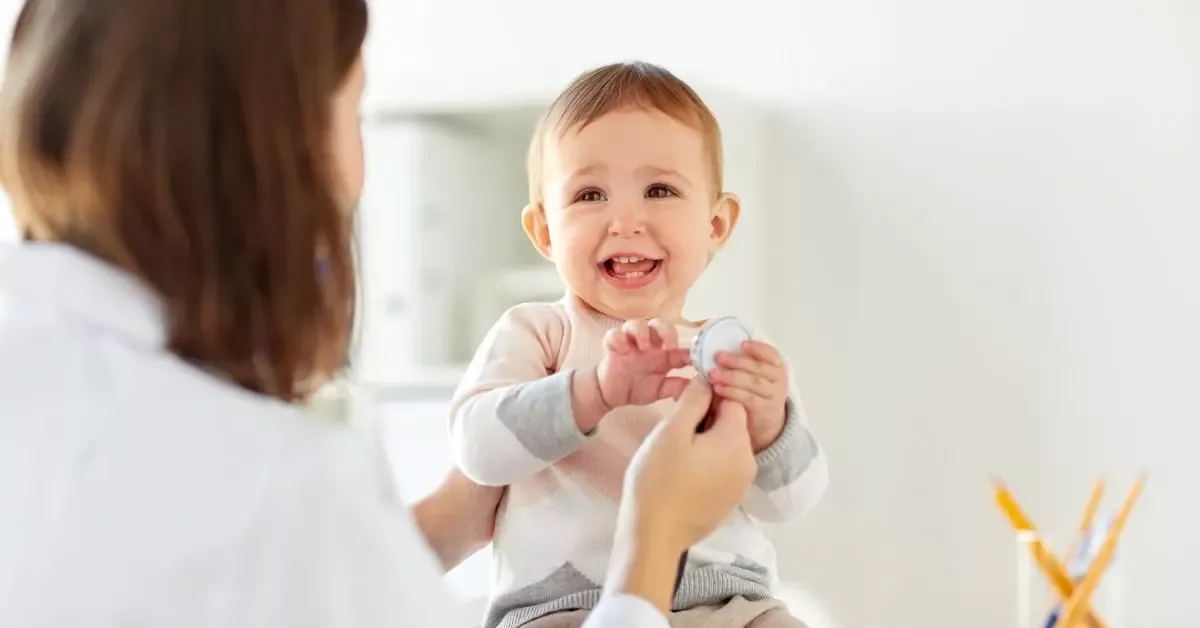
As children grow, it is normal for them to experience common illnesses while their immune system learns to recognize and fight off viruses and bacteria. Many childhood conditions improve with rest, hydration, and proper medical care. However, knowing which symptoms require professional evaluation can help parents seek timely treatment and prevent potential complications.
At BlueNetHospitals, our Pediatric Specialists provide expert care, diagnosis, and guidance to help families navigate every stage of childhood health and development.
Common Childhood Illnesses and Warning Signs Parents Should KnowCommon Cold and Flu in Children
Respiratory infections are among the most common reasons for pediatric visits, especially during infancy, early childhood, and seasonal outbreaks.
Common Symptoms
- Nasal congestion
- Runny nose
- Cough
- Sore throat
- Mild to moderate fever
- Fatigue and general discomfort
When Should You See a Pediatrician?
Contact a pediatrician if your child experiences:
- Fever above 38.5°C (101.3°F)
- Fever lasting more than three days
- Difficulty breathing or rapid breathing
- Excessive sleepiness or difficulty waking up
- Signs of dehydration
- Symptoms that worsen after initially improving
For infants younger than three months, any fever should be evaluated by a healthcare professional immediately.
Ear Infections (Otitis Media)Ear infections are especially common in babies and young children and often develop after a cold or upper respiratory infection.
Common Symptoms- Ear pain
- Irritability or persistent crying
- Trouble sleeping
- Feeling of pressure in the ear
- Fever
When Should You See a Pediatrician?
Seek medical attention if your child has:
- Severe or persistent ear pain
- Drainage or fluid coming from the ear
- High fever
- Hearing difficulties
- Symptoms that do not improve within 48 hours
Gastrointestinal infections can be caused by viruses, bacteria, or contaminated food and are one of the leading causes of dehydration in children.
Common Symptoms
- Diarrhea
- Vomiting
- Abdominal pain
- Loss of appetite
- Fever
When Should You See a Pediatrician?
Medical evaluation is recommended if your child develops:
- Signs of dehydration, such as dry mouth, reduced urination, or no tears when crying
- Persistent vomiting
- Severe or prolonged diarrhea
- Blood in the stool or vomit
- Intense abdominal pain
- Significant lethargy or weakness
Early hydration is essential to help prevent complications.
Urinary Tract Infections (UTIs) in ChildrenUrinary tract infections can affect both boys and girls. In younger children, symptoms may be subtle and difficult to recognize.
Common Symptoms- Pain or burning during urination
- Frequent urination
- Fever without an obvious cause
- Abdominal or lower back pain
- Changes in urine color or odor
When Should You See a Pediatrician?
Consult a pediatrician if your child experiences:
- Persistent fever
- Pain while urinating
- Abdominal or back pain
- Recurrent urinary tract infections
- Blood in the urine
Prompt diagnosis and treatment can help prevent kidney-related complications.
Common Skin Conditions in ChildrenChildren's skin is more sensitive and can be affected by allergies, eczema, infections, and various irritants.
Common Symptoms
- Redness
- Itching
- Rashes
- Dry skin
- Blisters or skin lesions
When Should You See a Pediatrician?
Medical evaluation is recommended if your child develops:
- A rash that spreads quickly
- Skin lesions with pus or signs of infection
- Fever accompanied by a rash
- Severe itching that interferes with sleep
- Symptoms that do not improve with routine care
Some symptoms may indicate a more serious condition and should never be ignored.
Seek urgent medical care if your child experiences:
- Difficulty breathing
- Blue lips or bluish skin color
- Seizures
- Severe dehydration
- Fever in infants younger than three months
- Loss of consciousness
- Extreme drowsiness or inability to stay awake
- Severe pain that does not improve
- Refusal to drink fluids
When symptoms persist or cause concern, a pediatric evaluation can help identify the underlying cause and determine the most appropriate treatment.
Early medical care can:
- Provide an accurate diagnosis
- Prevent unnecessary complications
- Reduce the risk of hospitalization
- Avoid inappropriate self-medication
- Support healthy growth and development
Every child is unique, which is why professional medical guidance is essential whenever parents have concerns about their child's health.
Pediatric Care in Los CabosAt BlueNetHospitals, our Pediatric Specialists provide comprehensive care for common childhood illnesses, respiratory infections, gastrointestinal conditions, skin disorders, urinary tract infections, and many other health concerns that affect children.
Our approach combines prevention, early diagnosis, and personalized treatment to support every child's healthy development.
Schedule an Appointment with a Pediatrician in Los Cabos📲 WhatsApp: +52 (624) 151 0693
Get trusted medical guidance and specialized pediatric care for your child's health and well-being.
1. When should I take my child to a pediatrician for a fever?
You should contact a pediatrician if your child's fever exceeds 38.5°C (101.3°F), lasts longer than three days, or occurs in an infant younger than three months.
2. Is it normal for children to get sick frequently?Yes. During the first years of life, the immune system is still developing, so children commonly experience several respiratory infections each year.
3. How can I tell if my child is dehydrated?Common signs include a dry mouth, fewer wet diapers or less urination, no tears when crying, sunken eyes, and unusual sleepiness.
4. What symptoms are considered a pediatric emergency?Difficulty breathing, seizures, severe dehydration, loss of consciousness, bluish skin or lips, and fever in infants younger than three months require immediate medical attention.
5. Should I give my child medication without consulting a pediatrician?It is not recommended. Some medications may not be appropriate based on a child's age, weight, or medical condition. Always seek professional medical advice before starting treatment.
6. Where can I find pediatric care in Los Cabos?BlueNetHospitals offers pediatric consultations, preventive care, diagnosis, treatment, and personalized follow-up for children of all ages in Los Cabos.
Trending Topics
Pediatrics and Neonatology






Trending Topics
Stroke: Symptoms, Causes & Treatment
Learn how to recognize stroke symptoms, understand its causes, and why emergency treatment can save brain function and lives.
Varicocele
Symptoms, Causes, Diagnosis, and Treatment to Protect Men's Health
Pregnancy infections (TORCH)
Risks, testing, and prevention
Anemia in Women of Reproductive Age
Symptoms, Causes, and Prevention
Health Library
Pediatrics and Neonatology
- Do You Need an Appointment with a Specialist?
- call us
- write us
- let's talk

