
Childhood Insomnia: Causes, Symptoms & Treatment
Learn why children have trouble sleeping, when to see a Pediatrician, and how to improve healthy sleep habits.
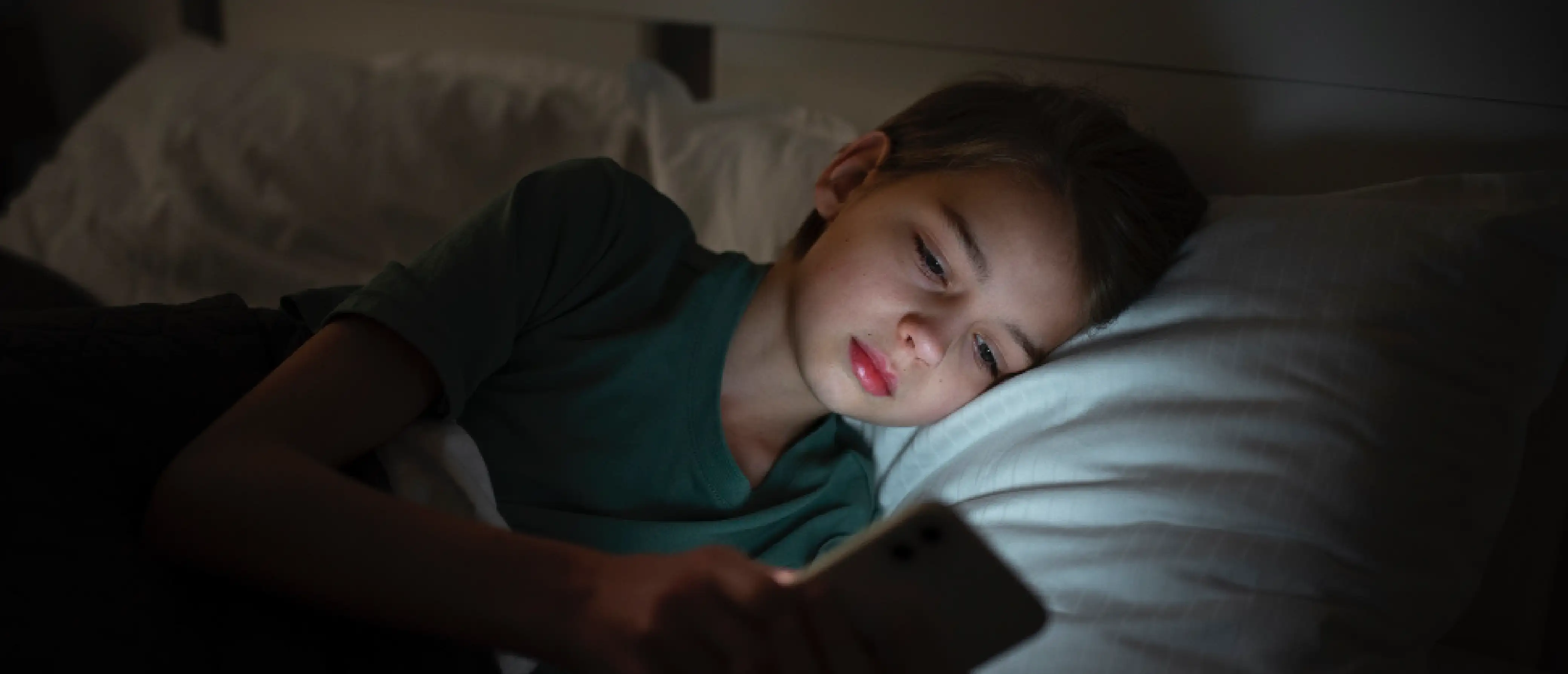
Getting enough quality sleep is essential for a child's physical growth, brain development, learning, emotional health, and immune system. However, many parents become concerned when their child has trouble falling asleep, wakes up repeatedly during the night, or doesn't seem to get enough rest.
While nighttime awakenings are normal during infancy, children should gradually develop more consistent sleep patterns as they grow. When sleep problems become frequent or begin affecting a child's daily life—or the well-being of the entire family it may be a sign of childhood insomnia.
At BlueNetHospitals, our Pediatric specialists provide comprehensive evaluations to identify the underlying causes of sleep difficulties and offer evidence-based treatment plans that help children and families achieve healthier sleep habits.
What Is Childhood Insomnia?Childhood insomnia is a sleep disorder characterized by difficulty falling asleep, staying asleep throughout the night, or waking up too early and being unable to return to sleep.
To be considered insomnia, these sleep difficulties must occur regularly and affect the child's daytime functioning, development, behavior, or family life.
It's important to remember that nighttime awakenings are completely normal during infancy, especially during the first months of life, when babies wake to feed or meet other developmental needs.
How Much Sleep Does a Child Need?According to the American Academy of Sleep Medicine (AASM), children need different amounts of sleep depending on their age.
| Age | Recommended Sleep Duration |
|---|---|
| 4–12 months | 12–16 hours (including naps) |
| 1–2 years | 11–14 hours |
| 3–5 years | 10–13 hours |
| 6–12 years | 9–12 hours |
| 13–18 years | 8–10 hours |
Every child is unique, but consistently getting less sleep than recommended may affect health and development.
What Causes Childhood Insomnia?Childhood insomnia can have many different causes. Often, more than one factor contributes to sleep difficulties.
Common causes include:
- Inconsistent bedtime routines
- Sleep associations (needing to be rocked, fed, or held to fall asleep)
- Separation anxiety
- Emotional stress
- Family changes
- Respiratory illnesses
- Gastroesophageal reflux (GERD)
- Pain or discomfort
- Eczema or itchy skin
- Allergies
- Excessive screen time before bed
- Caffeine consumption in older children and teenagers
In some cases, sleep difficulties may also be associated with developmental disorders or sleep conditions such as obstructive sleep apnea.
Signs and Symptoms of Childhood InsomniaChildren with insomnia may experience:
- Difficulty falling asleep
- Frequent nighttime awakenings
- Waking up too early
- Daytime sleepiness
- Irritability
- Mood changes
- Difficulty concentrating
- Poor school performance
- Fatigue
- Hyperactivity in some children
Because sleep problems can affect behavior, learning, and emotional regulation, they should not be ignored if they persist.
When Should Parents Be Concerned?You should schedule an evaluation with a Pediatrician if your child:
- Has ongoing difficulty sleeping for several weeks
- Snores loudly on a regular basis
- Has pauses in breathing during sleep
- Seems excessively sleepy during the day
- Has behavioral or learning problems related to poor sleep
- Wakes up repeatedly and struggles to fall back asleep
- Has sleep problems that significantly affect family life
Early evaluation can help identify treatable medical or behavioral causes.
How Is Childhood Insomnia Diagnosed?Diagnosis begins with a detailed medical history and physical examination.
Your Pediatrician will ask about:
- Bedtime routines
- Sleep schedule
- Nap patterns
- Diet
- Screen time
- Sleep environment
- Medical history
- Current medications
- Family sleep habits
In some cases, families may be asked to keep a sleep diary to help identify patterns and possible triggers.
If a sleep disorder such as obstructive sleep apnea is suspected, additional evaluation or referral to a sleep specialist may be recommended.
Treatment for Childhood InsomniaTreatment depends on the underlying cause.
For most children, healthy sleep habits are the first and most effective treatment.
Establish a Consistent Bedtime RoutineA predictable bedtime routine helps signal the brain that it's time to sleep.
A calming routine may include:
- A warm bath
- Brushing teeth
- Reading a bedtime story
- Quiet music
- Dim lighting
Consistency is more important than perfection.
Maintain Regular Sleep SchedulesChildren should go to bed and wake up at approximately the same time every day, including weekends.
Regular sleep schedules help regulate the body's internal clock.
Create a Sleep-Friendly EnvironmentAn ideal bedroom should be:
- Quiet
- Dark
- Comfortable
- Cool (approximately 68–72°F or 20–22°C)
Avoid televisions, tablets, and smartphones in the bedroom whenever possible.
Limit Screen Time Before BedThe American Academy of Pediatrics recommends avoiding electronic devices for at least one hour before bedtime.
Blue light from screens can delay melatonin production and make it more difficult for children to fall asleep.
Practice Safe Sleep for InfantsFor babies younger than one year, the American Academy of Pediatrics recommends:
- Always placing babies on their backs to sleep
- Using a firm mattress
- Keeping pillows, blankets, stuffed animals, and loose bedding out of the crib
- Sharing a room—but not a bed—with parents for at least the first six months, and ideally during the first year
These recommendations significantly reduce the risk of Sudden Infant Death Syndrome (SIDS).
Can Childhood Insomnia Be Prevented?Many sleep problems can be prevented by establishing healthy habits early in life.
Helpful strategies include:
- Keeping consistent bedtime routines
- Encouraging regular physical activity
- Limiting screen exposure before bed
- Avoiding caffeine
- Creating a calm bedtime environment
- Promoting healthy sleep habits from infancy
Small changes often lead to significant improvements in sleep quality.
Healthy Sleep Supports Healthy DevelopmentSleep is essential for children's physical growth, brain development, memory, emotional regulation, and immune function.
Persistent sleep problems should never be considered "just a phase" if they continue affecting a child's daily life.
An early evaluation can identify the cause, improve sleep quality, and support healthier development for years to come.
Pediatric Sleep Care in Los CabosAt BlueNetHospitals, our Pediatric specialists evaluate and treat childhood insomnia, sleep disorders, and other conditions that may affect your child's health and development.
Our evidence-based approach focuses on identifying the root cause of sleep problems while providing personalized guidance that helps children develop lifelong healthy sleep habits.
Schedule an Appointment with a PediatricianIf your child has difficulty falling asleep, wakes frequently during the night, snores, or shows daytime fatigue or behavioral changes related to poor sleep, a medical evaluation can help determine the cause and identify the most appropriate treatment.
At BlueNetHospitals, our Pediatric specialists provide compassionate, family-centered care to help children sleep better and thrive.
📲 Schedule your appointment via WhatsApp: +52 (624) 151 0693
Receive expert Pediatric care in Los Cabos and help your child build healthy sleep habits for lifelong wellness.
Frequently Asked Questions1. Is it normal for babies to wake up during the night?
Yes. Nighttime awakenings are normal during the first months of life because babies need to feed and meet other developmental needs.
2. How many hours should my child sleep?Sleep needs vary by age. Infants generally need 12–16 hours per day (including naps), while school-age children should sleep 9–12 hours each night.
3. Can screen time affect my child's sleep?Yes. Using phones, tablets, computers, or televisions before bedtime can delay sleep onset and reduce sleep quality.
4. When should I worry about childhood insomnia?If sleep problems persist for several weeks, affect your child's daytime functioning, behavior, school performance, or family life, it's time to consult a Pediatrician.
5. Are sleep medications recommended for children?In most cases, no. Treatment usually focuses on healthy sleep habits and addressing the underlying cause. Sleep medications should only be used under medical supervision.
6. Can snoring be a sign of a sleep disorder?Yes. Frequent loud snoring, especially when accompanied by pauses in breathing, may indicate obstructive sleep apnea and should be evaluated by a healthcare provider.
7. Where can I find pediatric sleep specialists in Los Cabos?At BlueNetHospitals, our Pediatric specialists diagnose and treat childhood insomnia and other pediatric sleep disorders using evidence-based, family-centered care to improve children's sleep and overall health.
Trending Topics
Pediatrics and Neonatology







Trending Topics
Stroke: Symptoms, Causes & Treatment
Learn how to recognize stroke symptoms, understand its causes, and why emergency treatment can save brain function and lives.
Varicocele
Symptoms, Causes, Diagnosis, and Treatment to Protect Men's Health
Pregnancy infections (TORCH)
Risks, testing, and prevention
Anemia in Women of Reproductive Age
Symptoms, Causes, and Prevention
Health Library
Pediatrics and Neonatology
- Do You Need an Appointment with a Specialist?
- call us
- write us
- let's talk

