
Childhood Anxiety: Symptoms, Causes & Treatment
Learn the signs of childhood anxiety, common phobias, and when to seek professional care for your child.
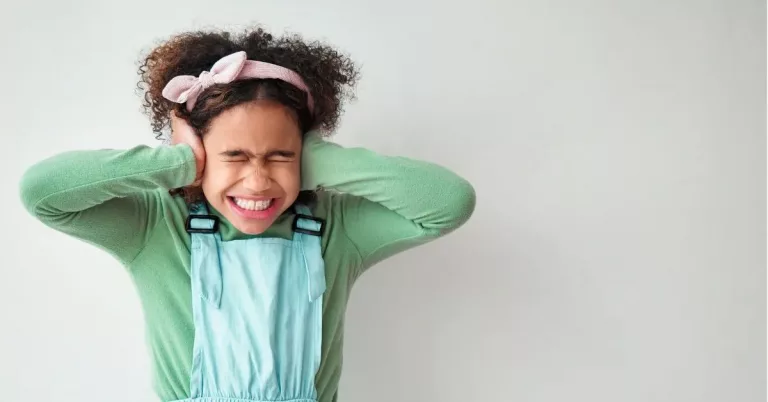
Childhood Anxiety and Phobias: Symptoms, Causes, Treatment, and When to Seek Help
Feeling afraid is a normal part of childhood. Many children go through stages where they fear the dark, strangers, loud noises, or being away from their parents. These fears are often temporary and disappear as children grow and gain confidence.
However, when fear becomes overwhelming, lasts for months, or interferes with school, friendships, family activities, or daily life, it may be a sign of childhood anxiety or a specific phobia.
Anxiety disorders are among the most common mental health conditions in children. The good news is that, with early diagnosis and appropriate treatment, most children learn to manage their anxiety, develop healthy coping skills, and enjoy a better quality of life.
At BlueNetHospitals, our specialists in Pediatrics and Child Psychology work together to evaluate, diagnose, and treat anxiety disorders and childhood phobias, providing compassionate, evidence-based care tailored to each child's needs.
What Is Childhood Anxiety?
Anxiety is the body's natural response to stress, uncertainty, or perceived danger. In healthy amounts, it helps children stay safe, solve problems, and adapt to new situations.
When anxiety becomes excessive, persistent, or begins to interfere with everyday activities, it may indicate an anxiety disorder that requires professional evaluation.
According to the American Academy of Pediatrics (AAP) and the National Institute of Mental Health (NIMH), anxiety disorders are among the most common mental health conditions affecting children and adolescents.
What Are Childhood Phobias?
A phobia is an intense, persistent, and excessive fear of a specific object, activity, or situation.
Unlike common childhood fears, phobias can cause significant emotional distress and lead children to avoid situations that trigger their fear, even when they understand the danger is minimal.
Some of the most common childhood phobias include:
- Fear of the dark
- Fear of animals, such as dogs, insects, or spiders
- Fear of needles or medical procedures
- Fear of thunderstorms
- Fear of being alone
- Fear of vomiting (emetophobia)
- School refusal related to anxiety
Signs and Symptoms of Anxiety in Children
Children do not always express anxiety with words. Instead, they often show physical symptoms or changes in behavior.
Common emotional and behavioral symptoms include:
- Constant worrying
- Excessive fear of everyday situations
- Irritability
- Frequent crying
- Clinginess or difficulty separating from parents
- Trouble sleeping or frequent nightmares
- Difficulty concentrating
- Avoiding certain places or activities
- Low self-esteem
- Difficulty making or keeping friends
Physical symptoms may include:
- Frequent stomachaches without a medical cause
- Headaches
- Nausea
- Rapid heartbeat
- Sweating
- Trembling
- Shortness of breath
Because these symptoms can also be caused by medical conditions, they should always be evaluated by a healthcare professional.
What Causes Anxiety in Children?
There is no single cause of childhood anxiety.
Instead, anxiety usually develops from a combination of biological, psychological, and environmental factors.
Genetics
Children with a family history of anxiety disorders are more likely to develop anxiety themselves.
Personality and Temperament
Children who are naturally shy, cautious, highly sensitive, or perfectionistic may have a higher risk.
Stressful Life Events
Major life changes can trigger anxiety, including:
- Starting a new school
- Parents' divorce or separation
- Loss of a loved one
- Bullying
- Serious illness
- Accidents or traumatic experiences
Family Environment
Children learn by observing adults. Living with highly anxious caregivers or experiencing ongoing family stress can increase the likelihood of anxiety symptoms.
When Should You Seek Professional Help?
Schedule an evaluation with a Pediatrician or Child Psychologist if your child's anxiety:
- Lasts for several weeks or months
- Interferes with school performance
- Affects sleep
- Limits family activities
- Prevents healthy friendships
- Causes frequent physical complaints
- Leads to social withdrawal
- Continues to worsen over time
Early intervention often leads to better long-term outcomes.
How Are Anxiety Disorders Diagnosed?
Diagnosis begins with a comprehensive medical and psychological evaluation.
Your healthcare provider will assess:
- Your child's symptoms
- Developmental history
- Medical history
- Family environment
- School performance
Standardized screening questionnaires may also be used to support the diagnosis.
There are no blood tests or imaging studies that diagnose anxiety disorders.
Treatment for Childhood Anxiety and Phobias
Treatment depends on the child's age, symptom severity, and how anxiety affects daily life.
Cognitive Behavioral Therapy (CBT)
Cognitive Behavioral Therapy (CBT) is considered the gold standard treatment for childhood anxiety disorders.
CBT helps children:
- Understand their emotions
- Identify anxious thoughts
- Develop healthy coping strategies
- Face fears gradually and safely
- Build confidence and resilience
Family Involvement
Parents play a critical role in treatment success.
Mental health professionals help families learn how to:
- Respond effectively to anxiety
- Avoid reinforcing fears
- Encourage independence
- Improve communication
- Support emotional regulation at home
Medication
For moderate to severe anxiety disorders, a Child Psychiatrist may recommend medication as part of a comprehensive treatment plan.
Medication is typically reserved for specific situations and should always be closely monitored by a qualified specialist.
Can Childhood Anxiety Be Prevented?
Although anxiety cannot always be prevented, healthy habits can help reduce the risk and strengthen emotional resilience.
Parents can support their children by:
- Maintaining consistent daily routines
- Encouraging regular physical activity
- Promoting healthy sleep habits
- Limiting exposure to stressful news or media
- Listening to children's concerns without dismissing them
- Teaching healthy problem-solving skills
- Building self-confidence
- Seeking professional support when symptoms persist
Supporting Your Child's Emotional Well-Being
Children rarely "outgrow" significant anxiety without support.
Early diagnosis and treatment can help prevent academic difficulties, social challenges, and emotional problems later in adolescence and adulthood.
With the right guidance, most children learn to manage anxiety successfully and develop lifelong coping skills.
Pediatric and Child Psychology Care in Los Cabos
At BlueNetHospitals, our specialists in Pediatrics and Child Psychology provide comprehensive evaluations and personalized treatment for children experiencing anxiety, phobias, emotional difficulties, and behavioral concerns.
Our multidisciplinary team works closely with families to develop individualized care plans that promote emotional well-being, healthy development, and long-term resilience.
Schedule an Appointment with a Specialist
If your child experiences persistent anxiety, intense fears, school refusal, behavioral changes, or physical symptoms related to stress, early evaluation can make a meaningful difference.
At BlueNetHospitals, our Pediatricians and Child Psychologists provide compassionate, evidence-based care to help children overcome anxiety and build emotional confidence.
📲 Schedule your appointment via WhatsApp: +52 (624) 151 0693
Receive expert Pediatric and Child Psychology care in Los Cabos and help your child develop the skills they need to thrive emotionally and socially.
Frequently Asked Questions
1. Is anxiety normal in children?
Yes. Feeling anxious or fearful at certain developmental stages is completely normal. However, when anxiety becomes persistent, excessive, or interferes with daily life, professional evaluation is recommended.
2. What's the difference between anxiety and a phobia?
Anxiety is a general feeling of worry or fear triggered by different situations. A phobia is an intense and persistent fear of a specific object or situation that often leads to avoidance.
3. What are the symptoms of childhood anxiety?
Common symptoms include excessive worrying, irritability, sleep problems, stomachaches, headaches, social withdrawal, school avoidance, and difficulty concentrating.
4. What causes anxiety in children?
Childhood anxiety usually results from a combination of genetics, personality traits, stressful life events, and environmental factors.
5. Can childhood anxiety be treated?
Yes. Cognitive Behavioral Therapy (CBT) is the most effective evidence-based treatment. Some children may also benefit from multidisciplinary care involving pediatricians, child psychologists, and child psychiatrists.
6. When should my child see a specialist?
If anxiety persists for several weeks, interferes with school, friendships, sleep, or family life, or causes significant emotional distress, it's time to seek professional evaluation.
7. Where can I find a Child Psychologist or Pediatrician in Los Cabos?
At BlueNetHospitals, our specialists in Pediatrics and Child Psychology provide comprehensive diagnosis and treatment for childhood anxiety disorders, phobias, and emotional health concerns using evidence-based, family-centered care.
Trending Topics
Pediatrics and Neonatology







Trending Topics
Stroke: Symptoms, Causes & Treatment
Learn how to recognize stroke symptoms, understand its causes, and why emergency treatment can save brain function and lives.
Varicocele
Symptoms, Causes, Diagnosis, and Treatment to Protect Men's Health
Pregnancy infections (TORCH)
Risks, testing, and prevention
Anemia in Women of Reproductive Age
Symptoms, Causes, and Prevention
Health Library
Pediatrics and Neonatology
- Do You Need an Appointment with a Specialist?
- call us
- write us
- let's talk

