
What Is Gynecologic Laparoscopic Surgery?
Learn how gynecologic laparoscopic surgery treats ovarian cysts, endometriosis, fibroids, and other conditions through minimally invasive techniques.
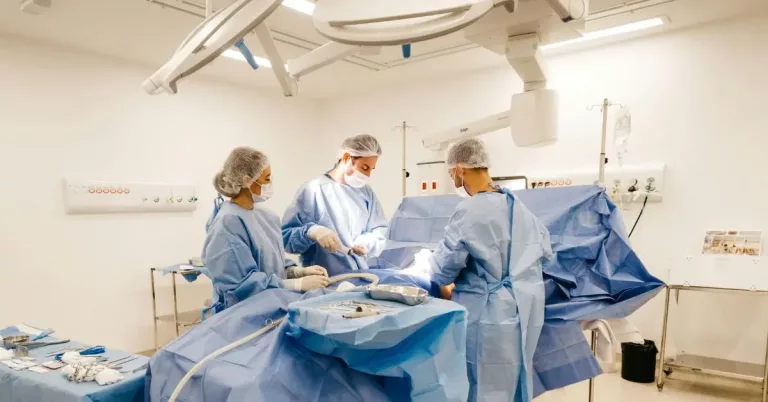
Gynecologic laparoscopic surgery is a minimally invasive technique used to diagnose and treat conditions affecting the uterus, ovaries, fallopian tubes, and other structures within the pelvis.
Instead of making a large abdominal incision, the gynecologic surgeon usually creates a small incision near the navel and inserts a thin instrument called a laparoscope. This device includes a camera that allows the physician to view the pelvic organs on a monitor. Additional small incisions may be used to introduce specialized surgical instruments.
This approach can be used to treat ovarian cysts, endometriosis, uterine fibroids, pelvic adhesions, ectopic pregnancy, and selected causes of pelvic pain or infertility. However, not every patient or condition is best treated with laparoscopy. The safest surgical approach depends on the diagnosis, the size and location of the condition, previous surgeries, overall health, and the surgeon’s assessment.
At BlueNetHospitals Los Cabos, our Gynecology and Obstetrics specialists evaluate each patient individually to determine whether minimally invasive gynecologic surgery is appropriate.
How Is Gynecologic Laparoscopic Surgery Performed?Gynecologic laparoscopy is usually performed under general anesthesia.
The procedure generally includes the following steps:
- The surgeon makes a small incision, commonly near the navel.
- Carbon dioxide gas is introduced into the abdomen to create space and improve visibility.
- The laparoscope is inserted through the incision.
- One or more additional small incisions may be made for surgical instruments.
- The physician examines the pelvic organs and performs the necessary treatment.
- At the end of the procedure, the instruments are removed and the incisions are closed.
A diagnostic laparoscopy may be relatively brief, while more complex procedures—such as treatment for advanced endometriosis, removal of fibroids, or laparoscopic hysterectomy—may take longer.
What Is Gynecologic Laparoscopy Used For?Gynecologic laparoscopy may be used for diagnosis, treatment, or both.
Diagnostic laparoscopyA diagnostic laparoscopy may be recommended when imaging tests and a physical examination do not fully explain symptoms such as:
- Chronic or unexplained pelvic pain
- Suspected endometriosis
- Infertility
- A pelvic mass
- Adhesions from prior surgery or infection
- Suspected tubal disease
In some cases, the physician can identify the cause of the problem and treat it during the same procedure.
Operative laparoscopyOperative laparoscopy may be used for:
- Ovarian cyst removal
- Treatment of endometriosis
- Removal of selected uterine fibroids
- Release of pelvic adhesions
- Treatment of ectopic pregnancy
- Surgery involving the fallopian tubes
- Laparoscopic hysterectomy
- Permanent contraception in selected patients
- Evaluation and treatment of certain causes of infertility
Ovarian cysts are fluid-filled sacs that develop in or on an ovary. Many cysts resolve on their own, but surgery may be considered when a cyst is large, persistent, painful, growing, has concerning imaging features, or may lead to complications.
During a laparoscopic ovarian cystectomy, the surgeon removes the cyst while preserving healthy ovarian tissue whenever possible. This can be especially important for patients who wish to protect future fertility.
However, ovarian preservation is not always possible. The final approach depends on the type of cyst, the amount of healthy tissue remaining, the risk of cancer, and what the surgeon finds during the procedure.
Laparoscopic Surgery for EndometriosisEndometriosis occurs when tissue similar to the lining of the uterus grows outside the uterus. It may cause severe menstrual pain, pain during sexual intercourse, bowel or bladder discomfort, chronic pelvic pain, and infertility.
Laparoscopy allows the surgeon to view endometriosis lesions, scar tissue, and pelvic anatomy directly. During surgery, the physician may remove or destroy visible lesions, release adhesions, and restore pelvic anatomy when possible.
Laparoscopic treatment can improve symptoms in carefully selected patients, but it does not guarantee that endometriosis will never return. Treatment should be individualized based on symptom severity, disease extent, age, fertility goals, and previous treatment.
Laparoscopic Surgery for Uterine FibroidsUterine fibroids are noncancerous growths that develop within the muscular wall of the uterus. They may cause heavy menstrual bleeding, pelvic pressure, pain, anemia, or reproductive problems.
A laparoscopic myomectomy removes selected fibroids while preserving the uterus. This may be considered for patients who want to maintain the possibility of pregnancy.
Not all fibroids can be removed laparoscopically. The number, size, depth, and location of the fibroids all influence the surgical plan.
Fibroids that grow mainly into the uterine cavity are often treated with hysteroscopy, which is a different minimally invasive procedure performed through the vagina and cervix rather than through abdominal incisions.
Can Laparoscopy Help with Infertility?Gynecologic laparoscopy may be part of an infertility evaluation or treatment plan when there is concern for:
- Endometriosis
- Pelvic adhesions
- Fallopian tube damage
- Selected ovarian cysts
- Abnormal pelvic anatomy
However, not every patient with infertility needs surgery. The evaluation usually begins with less invasive testing, including ultrasound, hormone testing, ovulation assessment, semen analysis, and tests of tubal patency.
Endometrial polyps and submucosal fibroids are generally treated with hysteroscopy rather than laparoscopy.
The decision to recommend surgery should be based on whether it is likely to improve symptoms, restore anatomy, support fertility, or provide information that will change treatment.
What Are the Benefits of Gynecologic Laparoscopic Surgery?Compared with open abdominal surgery, laparoscopy often offers several advantages:
- Smaller incisions
- Less postoperative pain
- Reduced blood loss in many procedures
- Shorter hospital stay
- Faster return to daily activities
- Lower risk of some wound complications
- Less visible scarring
These benefits vary depending on the procedure and the patient’s health.
Laparoscopic surgery does leave scars, but they are usually much smaller than those from open surgery. It is more accurate to describe the scars as small or less noticeable rather than saying the procedure leaves no scar.
How Long Does Recovery Take?Recovery time depends on the type of surgery.
After a minor diagnostic laparoscopy, some patients may go home the same day and return to light activity within a few days. More complex procedures may require one or more nights in the hospital and several weeks of recovery.
Common temporary symptoms include:
- Soreness around the incisions
- Abdominal bloating
- Fatigue
- Mild nausea
- Cramping
- Shoulder discomfort caused by the gas used during surgery
Returning to work, driving, exercising, lifting heavy objects, or having sexual intercourse should be based on the specific procedure and the surgeon’s instructions.
A diagnostic laparoscopy does not have the same recovery timeline as a laparoscopic myomectomy or hysterectomy.
Recovery Tips After Gynecologic LaparoscopyYour physician may recommend the following steps:
- Begin short walks when it is medically safe.
- Take prescribed medications exactly as directed.
- Keep the incisions clean and dry.
- Avoid heavy lifting and strenuous activity.
- Drink enough fluids.
- Resume food gradually if nausea is present.
- Attend all postoperative appointments.
- Avoid driving while taking sedating pain medication or while pain limits your movement.
Following the postoperative plan helps reduce the risk of complications and supports a safer recovery.
What Are the Risks?Although gynecologic laparoscopy is widely used and generally safe, it is still surgery and carries possible risks.
Potential complications include:
- Bleeding
- Infection
- Reaction to anesthesia
- Blood clots
- Injury to the bowel, bladder, ureters, or blood vessels
- Hernia at an incision site
- Need to convert to open surgery
- Procedure-specific complications
Individual risk may be influenced by the complexity of the condition, previous abdominal surgery, obesity, scar tissue, medical history, and the type of operation.
Before surgery, your gynecologist should explain the expected benefits, alternatives, and possible complications.
When Should You Contact Your Doctor After Surgery?Call your healthcare provider if you develop:
- A fever of 100.4°F (38°C) or higher
- Pain that is worsening or not controlled
- Heavy vaginal bleeding
- Increasing redness or swelling around an incision
- Pus, drainage, or a foul odor from the wound
- Persistent vomiting
- Increasing abdominal swelling
- Difficulty urinating
- Pain or swelling in one leg
- Shortness of breath or chest pain
Severe bleeding, chest pain, trouble breathing, fainting, or sudden intense pain requires urgent medical attention.
How Do You Know Whether You Are a Candidate?There is no single answer for every patient.
Your gynecologist will consider:
- Your diagnosis
- Your symptoms
- The size and location of the condition
- Imaging results
- Previous surgeries
- Your overall health
- Your fertility goals
- Whether there is concern for cancer
- The experience and resources available to the surgical team
In some cases, open surgery may still be the safest option. The best approach is the one that offers the most appropriate treatment and lowest reasonable risk—not simply the smallest incision.
Consult a Gynecology and Obstetrics Specialist in Los CabosGynecologic laparoscopic surgery can provide effective treatment with smaller incisions and a shorter recovery for appropriately selected patients. Its benefits and limitations depend on the condition being treated and the complexity of the procedure.
At BlueNetHospitals Los Cabos, our Gynecology and Obstetrics specialists can evaluate your symptoms, review your imaging studies, and determine whether minimally invasive gynecologic surgery is right for you.
📲 Schedule your appointment today by WhatsApp at +52 (624) 151 0693.
🚑 If you have severe pelvic pain, heavy bleeding, chest pain, difficulty breathing, or another medical emergency, request an ambulance at +52 (624) 104 3911.
Frequently Asked Questions About Gynecologic Laparoscopic Surgery1. What is gynecologic laparoscopic surgery?
It is a minimally invasive surgical technique that uses a camera and slender instruments inserted through small abdominal incisions to diagnose or treat conditions involving the uterus, ovaries, fallopian tubes, and pelvis.
2. What conditions can be treated with gynecologic laparoscopy?It may be used for endometriosis, ovarian cysts, selected fibroids, pelvic adhesions, ectopic pregnancy, tubal disease, and certain causes of pelvic pain or infertility. It may also be used for laparoscopic hysterectomy in selected patients.
3. Does laparoscopic surgery leave a scar?Yes, but the scars are usually small and less noticeable than those from open abdominal surgery.
4. How many days of rest are needed after gynecologic laparoscopy?It depends on the procedure. Some patients return to light activity within a few days, while more complex surgery may require several weeks of recovery. Your surgeon should provide individualized instructions.
5. Can gynecologic laparoscopy preserve fertility?In some cases, yes. Procedures such as ovarian cystectomy and myomectomy may preserve the ovary or uterus. However, the result depends on the underlying condition, the extent of tissue damage, and the complexity of surgery.
6. What is the difference between laparoscopy and hysteroscopy?Laparoscopy uses small abdominal incisions to view the outside of the uterus and other pelvic organs. Hysteroscopy passes a camera through the vagina and cervix to examine and treat the inside of the uterine cavity.
7. Is laparoscopy always better than open surgery?No. Laparoscopy often offers smaller incisions and faster recovery, but open surgery may be safer in cases involving very large masses, extensive scar tissue, advanced disease, suspected cancer, or other complex conditions.
Trending Topics
Gynecology and Obstetrics






Trending Topics
Stroke: Symptoms, Causes & Treatment
Learn how to recognize stroke symptoms, understand its causes, and why emergency treatment can save brain function and lives.
Varicocele
Symptoms, Causes, Diagnosis, and Treatment to Protect Men's Health
Pregnancy infections (TORCH)
Risks, testing, and prevention
Anemia in Women of Reproductive Age
Symptoms, Causes, and Prevention
Health Library
Gynecology and Obstetrics
Learn more about:
- Vaginitis in Los Cabos: Symptoms, Causes & Gynecological Treatment
- Menopause
- Chronic Pelvic Pain: Causes, Symptoms & Treatment
- Hysterectomy
- Endometriosis Disorder
- Dilation and Curettage (D&C)
- HPV infection: Human Papillomavirus (HPV)
- Managing High-Risk Pregnancy
- Pap Smear
- Polycystic Ovary Syndrome
- Uterine Fibroids
- Anemia in Women of Reproductive Age
- Pregnancy infections (TORCH)
- Do You Need an Appointment with a Specialist?
- call us
- write us
- let's talk

