
How Can I Recover Faster After a C-Section?
Learn how to support safe C-section recovery with movement, nutrition, incision care, rest, and expert postpartum guidance.
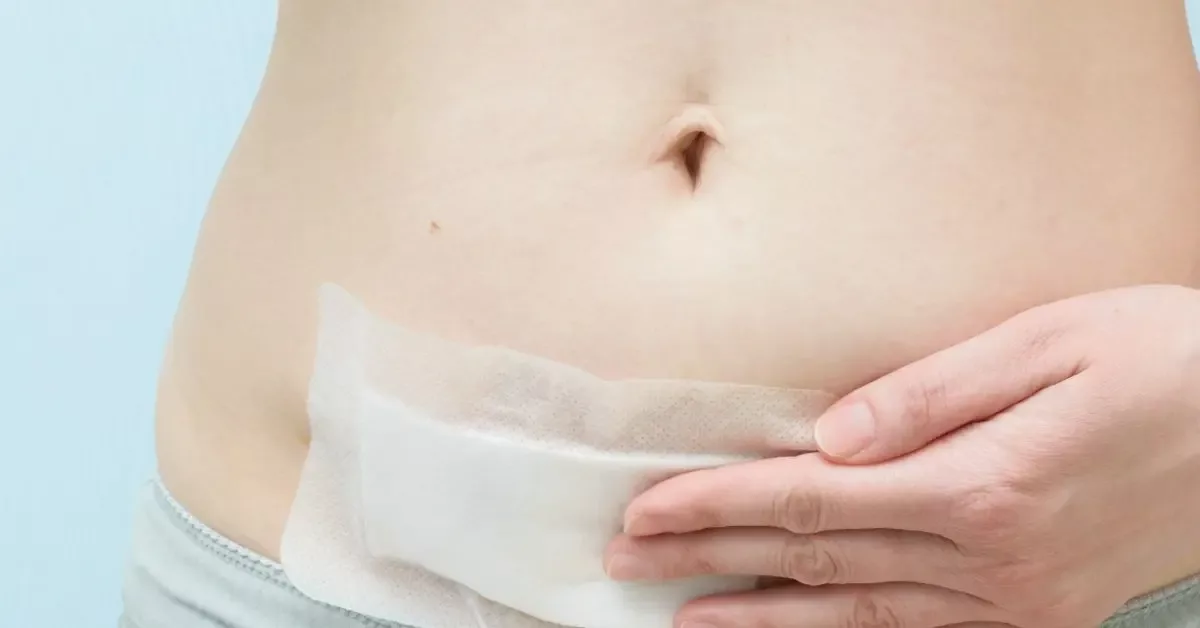
Bringing a baby into the world is one of life's most meaningful experiences. Whether your baby is born through a vaginal delivery or a cesarean section (C-section), your body has gone through nearly nine months of remarkable physical and emotional changes.
A cesarean section is a major surgical procedure that can be the safest option for both mother and baby when medically indicated. While recovery typically takes longer than after a vaginal birth, following the right recommendations can help reduce discomfort, promote healing, and lower the risk of complications.
Many women search for answers to questions like "How can I recover faster after a C-section?", "How long does it take to heal from a C-section?", "What should I avoid after a C-section?", or "How do I take care of my C-section incision?"
At BlueNetHospitals Los Cabos, our Gynecology and Obstetrics specialists provide comprehensive postpartum care, helping mothers recover safely while supporting their physical and emotional well-being throughout the journey into motherhood.
How Long Does It Take to Recover from a Cesarean Section?Most women experience an initial recovery within 4 to 6 weeks, although complete healing of the abdominal wall and uterine tissues may take several months.
Recovery varies from one woman to another. Your overall health, nutrition, physical activity, quality of sleep, and adherence to your physician's recommendations all play an important role in how quickly your body heals.
The goal is not simply to recover faster—but to recover safely.
Get Up and Walk as Soon as Your Doctor RecommendsOne of the most important recommendations after a C-section is to begin walking as soon as it is medically safe, usually within 12 to 24 hours after surgery.
Although it may seem uncomfortable at first, early movement provides important health benefits.
Walking helps:
- Improve blood circulation.
- Reduce the risk of blood clots.
- Stimulate bowel function.
- Relieve gas discomfort.
- Support a faster overall recovery.
Start with short walks and gradually increase your activity level without overexerting yourself.
Avoid Heavy Lifting and Limit Stair UseDuring the first few weeks after surgery, protecting your incision is essential.
Your obstetrician will usually recommend:
- Avoid lifting anything heavier than your baby.
- Minimize sudden or twisting movements.
- Limit climbing stairs whenever possible.
- If your home has multiple floors, spend most of your time on one level during the first week.
Reducing physical strain lowers the risk of increased pain, bleeding, or delayed wound healing.
Eat a Nutritious, Balanced DietGood nutrition plays a vital role in surgical recovery.
Your body needs protein, vitamins, minerals, and calories to repair tissues and restore energy after childbirth.
Focus on eating:
- Fresh fruits and vegetables.
- Lean meats.
- Fish.
- Eggs.
- Beans and legumes.
- Whole grains.
- Low-fat dairy products.
A fiber-rich diet can also help prevent constipation, one of the most common concerns after a cesarean delivery.
Stay Well HydratedProper hydration is essential after any surgery and becomes even more important if you are breastfeeding.
Drinking enough fluids helps:
- Support wound healing.
- Prevent constipation.
- Maintain breast milk production.
- Improve overall recovery.
Most women benefit from drinking approximately 2 to 3 liters of fluids daily, although individual needs may vary.
Wear Comfortable ClothingYour incision may remain tender during the first few weeks.
Choose clothing that minimizes pressure on the surgical area, including:
- Loose-fitting dresses.
- Soft pajamas.
- Comfortable maternity clothing.
- High-waisted underwear that sits above the incision.
Avoid tight waistbands or clothing that rubs against the healing scar.
Protect Your IncisionEveryday movements such as laughing, coughing, sneezing, or getting out of bed may cause temporary discomfort.
A simple technique is to gently hold a pillow or place your hands over your abdomen while performing these movements. This provides extra support to your incision and may reduce pain.
You should also:
- Keep the incision clean and dry.
- Follow your physician's wound care instructions.
- Watch carefully for signs of infection.
Contact your healthcare provider immediately if you notice redness, swelling, drainage, foul odor, fever, or separation of the incision.
Rest Whenever You CanSleep may be interrupted during the first weeks of caring for a newborn, but adequate rest remains one of the most important parts of recovery.
Whenever possible:
- Sleep while your baby sleeps.
- Accept help from family and friends.
- Allow others to assist with household responsibilities.
Giving your body time to recover is just as important as caring for your newborn.
Take Care of Your Emotional HealthHealing after a cesarean section involves more than physical recovery.
Many mothers experience a wide range of emotions after childbirth, including:
- Joy.
- Fatigue.
- Anxiety.
- Frustration.
- Guilt.
- Mood changes.
It is important to remember that having a cesarean section does not mean you failed or chose an easier option. In many cases, it is the safest decision to protect both mother and baby.
Talking openly with your partner, family, friends, or healthcare provider can make the emotional adjustment easier.
If feelings of sadness, anxiety, or hopelessness persist, seek professional medical support, as these may be signs of postpartum depression.
When Should You See Your Obstetrician Again?Postpartum follow-up appointments are essential to ensure your recovery is progressing normally.
Most women are evaluated between 2 and 6 weeks after delivery, although your physician may recommend earlier or additional visits depending on your medical condition.
Seek immediate medical attention if you experience:
- Fever above 100.4°F (38°C).
- Severe or worsening abdominal pain.
- Heavy vaginal bleeding.
- Foul-smelling drainage from the incision.
- Redness or swelling around the wound.
- Shortness of breath.
- Pain or swelling in one leg.
These symptoms may indicate complications that require prompt treatment.
Schedule an Appointment with a Gynecology & Obstetrics SpecialistRecovering from a cesarean section takes time, patience, and proper medical care. Following your physician's recommendations, maintaining healthy habits, and attending postpartum checkups can help you heal safely while enjoying this special stage with your baby.
At BlueNetHospitals Los Cabos, our Gynecology and Obstetrics specialists provide comprehensive care before, during, and after pregnancy, offering personalized support to help every mother recover with confidence.
📲 Schedule your appointment today by WhatsApp at +52 (624) 151 0693.
Medical Note: If you develop fever, heavy bleeding, severe pain, incision drainage, or any concerning symptoms after a cesarean section, seek immediate medical evaluation.
🚑 If you are experiencing a medical emergency, request an ambulance immediately at +52 (624) 104 3911.
Frequently Asked Questions (FAQ)1. How long does it take to recover from a C-section?
Initial recovery usually takes 4 to 6 weeks, while complete healing of the abdominal tissues may require several months. Recovery time varies depending on each woman's health and postoperative care.
2. When can I start walking after a cesarean section?Most women are encouraged to begin walking within 12 to 24 hours after surgery, once approved by their physician. Early movement helps prevent blood clots, improves circulation, and supports faster recovery.
3. What foods help speed up recovery after a C-section?A balanced diet rich in protein, fruits, vegetables, whole grains, healthy fats, and adequate fluids provides the nutrients needed for tissue healing and energy during postpartum recovery.
4. How should I care for my C-section incision?Keep the incision clean and dry, avoid tight clothing, follow your physician's wound care instructions, and watch for signs of infection such as redness, swelling, drainage, or fever.
5. When can I exercise after a C-section?Most women should wait 6 to 8 weeks, or until cleared by their obstetrician, before returning to exercise. Physical activity should be resumed gradually based on individual recovery.
6. Why are postpartum follow-up appointments important after a cesarean section?Postpartum visits allow your physician to monitor healing, evaluate the incision, manage pain, address breastfeeding concerns, identify potential complications, and ensure both mother and baby remain healthy throughout recovery.
Trending Topics
Gynecology and Obstetrics


Trending Topics
Stroke: Symptoms, Causes & Treatment
Learn how to recognize stroke symptoms, understand its causes, and why emergency treatment can save brain function and lives.
Varicocele
Symptoms, Causes, Diagnosis, and Treatment to Protect Men's Health
Pregnancy infections (TORCH)
Risks, testing, and prevention
Anemia in Women of Reproductive Age
Symptoms, Causes, and Prevention
Health Library
Gynecology and Obstetrics
Learn more about:
- Vaginitis in Los Cabos: Symptoms, Causes & Gynecological Treatment
- Menopause
- Chronic Pelvic Pain: Causes, Symptoms & Treatment
- Hysterectomy
- Endometriosis Disorder
- Dilation and Curettage (D&C)
- HPV infection: Human Papillomavirus (HPV)
- Managing High-Risk Pregnancy
- Pap Smear
- Polycystic Ovary Syndrome
- Uterine Fibroids
- Anemia in Women of Reproductive Age
- Pregnancy infections (TORCH)
- Do You Need an Appointment with a Specialist?
- call us
- write us
- let's talk

