
Egg Freezing: Process, Best Age, and Success Factors
Learn how egg freezing works, the best age to consider it, its limitations, and when to consult a fertility specialist in Los Cabos.
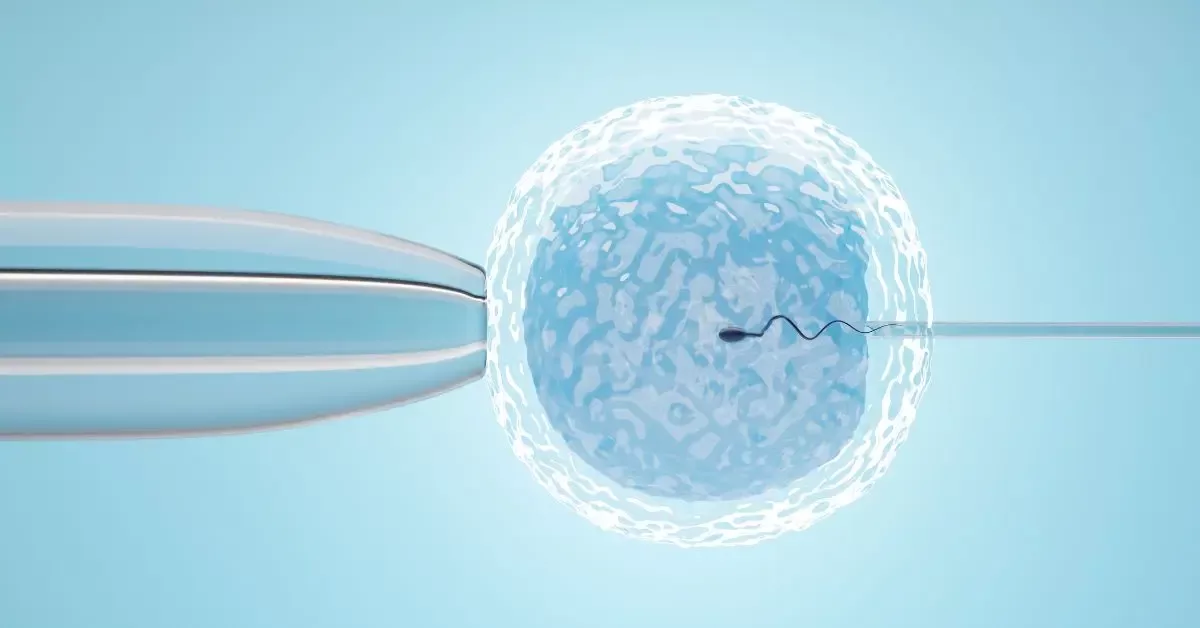
Egg freezing, medically known as oocyte cryopreservation, allows unfertilized eggs to be preserved for possible future use. It may be considered for personal reasons or before medical treatments that could affect ovarian function.
This technology can provide more reproductive options, but it is important to approach it with realistic expectations. Freezing eggs does not stop ovarian aging or guarantee a future pregnancy. Age at the time of freezing remains one of the most important factors influencing the chances of success.
What Is Egg Freezing?Egg freezing is an assisted reproductive procedure in which the ovaries are stimulated to produce several mature eggs. The eggs are retrieved and rapidly frozen using a technique called vitrification.
When a patient decides to use them, the eggs are thawed and fertilized in a laboratory. Fertilization is usually performed through intracytoplasmic sperm injection, or ICSI. The resulting embryos are monitored before one is selected for transfer to the uterus.
It is important to understand that not every frozen egg will:
- Survive thawing.
- Fertilize successfully.
- Develop into a viable embryo.
- Implant in the uterus.
- Result in a pregnancy or live birth.
Egg freezing preserves a future reproductive possibility, but it should not be viewed as a guarantee of motherhood.
Who May Consider Freezing Their Eggs?Oocyte cryopreservation may be considered for personal or medical reasons.
Planned egg freezingWomen may choose to freeze their eggs when they want children in the future but are not currently ready because of personal, family, academic, professional, or financial circumstances.
It may also be an option for women who do not currently have a reproductive partner or who prefer to preserve unfertilized eggs instead of creating embryos.
Egg freezing for medical reasonsFertility preservation may be recommended before treatments or procedures that could affect ovarian function, including:
- Chemotherapy or radiation therapy.
- Certain types of ovarian surgery.
- Treatments that may reduce ovarian reserve.
- Endometriosis requiring ovarian surgery.
- Genetic conditions associated with premature ovarian insufficiency.
- Some autoimmune diseases and their treatments.
Patients preparing to undergo cancer treatment should be referred to a reproductive medicine specialist as early as possible. In some cases, ovarian stimulation can begin without waiting for the next menstrual period, helping minimize delays in cancer care.
What Is the Best Age to Freeze Your Eggs?There is no single ideal age for everyone. However, outcomes are generally more favorable when eggs are frozen at a younger age, particularly before age 35.
As women age, both the number of available eggs and the proportion with the correct number of chromosomes decline. Freezing eggs earlier allows them to retain the biological age they had when they were retrieved.
Egg freezing after age 35 is still possible, but fewer mature eggs may be obtained, and more than one stimulation cycle may be needed. The decision should be based on age, ovarian reserve, medical history, family plans, and the estimated probability of success.
Using younger frozen eggs does not eliminate the health risks associated with becoming pregnant at an older age. Conditions such as gestational diabetes, high blood pressure, and other pregnancy complications remain related to the patient’s age and overall health at the time of pregnancy.
How Do I Know Whether I Am a Candidate?An initial evaluation with a Fertility, Gynecology, and Obstetrics specialist may include:
- A complete medical and reproductive history.
- Review of age and menstrual cycle regularity.
- An ultrasound to measure the antral follicle count.
- An anti-Müllerian hormone, or AMH, blood test.
- FSH, estradiol, or other hormonal tests when appropriate.
- Laboratory testing required before the procedure.
AMH and antral follicle count can help estimate how the ovaries may respond to stimulation. They do not directly measure egg quality, accurately predict natural fertility, or guarantee pregnancy.
How Does the Egg-Freezing Process Work?1. Consultation and treatment planning
The specialist reviews your health, discusses your reproductive goals, explains the benefits and limitations, and prepares a personalized stimulation protocol.
2. Ovarian stimulationHormonal injections are usually administered for approximately 8 to 12 days. These medications encourage several follicles to develop during the same cycle.
Ultrasounds and, when needed, blood tests are performed throughout this stage to monitor the response and adjust medication doses.
3. Final maturationWhen the follicles reach an appropriate size, a final trigger injection is administered to complete egg maturation. Retrieval is scheduled several hours later.
4. Egg retrievalEggs are collected through a needle inserted through the vaginal wall under ultrasound guidance. Sedation is generally used, and the procedure usually takes between 15 and 30 minutes.
5. Vitrification and storageThe laboratory identifies the mature eggs suitable for freezing. These eggs are vitrified and stored in specialized tanks until the patient decides to use them or chooses another option permitted by her consent agreement and applicable regulations.
How Many Eggs Should Be Frozen?There is no number of frozen eggs that can guarantee a baby. The recommended target depends on several factors:
- Age at the time of freezing.
- Response to ovarian stimulation.
- Number of children desired.
- Egg maturity and survival after thawing.
- Results achieved by the fertility laboratory.
Some patients obtain an appropriate number of mature eggs in one cycle, while others may need two or more cycles. A fertility center should provide an individualized estimate and explain its age-specific results for egg survival, fertilization, embryo development, and live birth.
Be cautious about recommendations that promise success based only on reaching a particular number of eggs.
Does Ovarian Stimulation Reduce Your Egg Reserve?During a natural menstrual cycle, several follicles begin developing, although only one usually releases an egg. Most of the remaining follicles are naturally lost through a process called atresia.
Ovarian stimulation allows more eggs from that group to complete their development. Current evidence does not indicate that a standard stimulation cycle accelerates menopause or prematurely depletes ovarian reserve.
Risks and Side Effects of Egg FreezingEgg freezing is generally considered safe, but no medical procedure is completely risk-free.
Common temporary effects include:
- Abdominal bloating.
- Pelvic discomfort.
- Headaches.
- Mood changes.
- Tenderness at injection sites.
- Mild cramping or spotting after retrieval.
Ovarian hyperstimulation syndrome is less common with modern protocols, but it can still occur. Complications from egg retrieval such as infection, bleeding, injury to nearby structures, ovarian torsion, or problems related to sedation are uncommon.
Contact your medical team promptly if you experience severe pain, heavy bleeding, difficulty breathing, persistent vomiting, reduced urination, or rapidly increasing abdominal swelling after the procedure.
Is Egg Freezing Safe for Future Babies?Available studies of births resulting from vitrified eggs are generally reassuring. They have not identified a clear increase in congenital abnormalities compared with other assisted reproduction treatments.
However, the accumulated experience is smaller than that available for natural conception. The patient’s health and age during pregnancy, as well as other reproductive factors, also affect pregnancy outcomes.
How Long Can Eggs Remain Frozen?When stored correctly, eggs can remain frozen for many years. Their reproductive potential is related primarily to the woman’s age when they were retrieved rather than the length of time spent in storage.
Before beginning treatment, ask the fertility center about:
- Storage conditions and duration.
- Annual storage fees.
- Renewal of consent.
- Transfer to another laboratory.
- Future use of the eggs.
- Available options for eggs that are not used.
Institutional policies and legal requirements may vary, so this information should be provided in writing.
How Much Does Egg Freezing Cost?The total cost may include:
- Medical consultation and initial tests.
- Ovarian stimulation medications.
- Ultrasound and laboratory monitoring.
- Egg retrieval.
- Embryology laboratory procedures.
- Vitrification.
- Annual storage.
- Future fertilization, embryo culture, and transfer.
Request a complete written estimate. The initial price may not include medications, storage, or the assisted reproduction treatment needed to use the eggs later.
Common Myths About Egg Freezing“Freezing my eggs guarantees that I can become a mother”
It does not. Egg freezing may increase future reproductive options, but no treatment can guarantee a live birth.
“Egg freezing stops my biological clock”Only the retrieved eggs retain the biological age they had when they were frozen. The ovaries and the rest of the body continue to age.
“A normal AMH level means I can safely wait”AMH mainly estimates follicle quantity and the expected response to ovarian stimulation. It does not directly measure egg quality or eliminate the effects of age.
“Egg retrieval causes early menopause”Current evidence does not show that conventional ovarian stimulation accelerates menopause.
When Should You See a Fertility Specialist?You do not need an infertility diagnosis to request information about fertility preservation. Consider scheduling a consultation if:
- You plan to delay motherhood.
- You are 35 or older and may want children in the future.
- You will receive chemotherapy, radiation, or another potentially fertility-damaging treatment.
- You have endometriosis or may require ovarian surgery.
- You have a family history of early menopause.
- You have been told that your ovarian reserve may be low.
- You want to understand your reproductive options before making a decision.
Seeking guidance early provides more time to evaluate your options and receive a realistic, personalized estimate.
Egg-Freezing Evaluation in Los CabosAt BlueNetHospitals Los Cabos, you can receive a personalized fertility assessment to evaluate your ovarian reserve, understand the egg-freezing process, and determine whether it fits your reproductive plans.
Your decision should be based on clear information about the procedure’s potential benefits, limitations, risks, costs, and expected results.
Schedule a Fertility ConsultationSpeak with a Fertility, Gynecology, and Obstetrics specialist at BlueNetHospitals for an individualized assessment.
📲 Schedule your appointment via WhatsApp: +52 (624) 151 0693
Frequently Asked Questions About Egg Freezing1. What is egg freezing?
It is a fertility preservation procedure in which unfertilized eggs are retrieved, vitrified, and stored for possible future use.
2. What is the best age to freeze eggs?Results are generally better when eggs are frozen before age 35, but there is no ideal age for everyone. Personal health, ovarian reserve, and reproductive plans should also be considered.
3. Does egg freezing guarantee pregnancy?No. Success depends on age at freezing, the number of mature eggs stored, laboratory performance, reproductive health, and other factors.
4. How many eggs should I freeze?There is no universal number. A fertility specialist can estimate an individualized target based on your age, ovarian response, and family goals, but cannot guarantee a result.
5. Is egg retrieval painful?The procedure is generally performed under sedation. Mild cramping, bloating, or spotting may occur afterward.
6. How long does the egg-freezing process take?The period from the start of ovarian stimulation to egg retrieval usually takes around two weeks, although the timeline can vary.
7. Does egg freezing affect natural fertility?There is no evidence that conventional ovarian stimulation reduces future fertility or accelerates menopause.
8. Can I freeze my eggs if I have endometriosis?In some cases, yes—particularly before ovarian surgery. The recommendation depends on the extent of the disease, ovarian reserve, age, and treatment plan.
9. How long can frozen eggs be stored?Eggs can remain stored for years under proper laboratory conditions. Storage policies, fees, consent requirements, and applicable regulations should be reviewed with the fertility center.
10. Which specialist should I consult?An egg-freezing evaluation should be performed by a reproductive medicine or fertility specialist, usually a physician trained in Gynecology and Obstetrics.
Trending Topics
Gynecology and Obstetrics







Trending Topics
Stroke: Symptoms, Causes & Treatment
Learn how to recognize stroke symptoms, understand its causes, and why emergency treatment can save brain function and lives.
Varicocele
Symptoms, Causes, Diagnosis, and Treatment to Protect Men's Health
Pregnancy infections (TORCH)
Risks, testing, and prevention
Anemia in Women of Reproductive Age
Symptoms, Causes, and Prevention
Health Library
Gynecology and Obstetrics
Learn more about:
- Vaginitis in Los Cabos: Symptoms, Causes & Gynecological Treatment
- Menopause
- Chronic Pelvic Pain: Causes, Symptoms & Treatment
- Hysterectomy
- Endometriosis Disorder
- Dilation and Curettage (D&C)
- HPV infection: Human Papillomavirus (HPV)
- Managing High-Risk Pregnancy
- Pap Smear
- Polycystic Ovary Syndrome
- Uterine Fibroids
- Anemia in Women of Reproductive Age
- Pregnancy infections (TORCH)
- Do You Need an Appointment with a Specialist?
- call us
- write us
- let's talk

