
Early Pregnancy Tests
Essential Lab Work and First Exams

Confirming your pregnancy is an exciting moment, but it also marks the beginning of a stage where your health and your baby’s well-being become a priority. Getting the right medical tests early on helps identify potential risks, confirm that everything is progressing correctly, and establish proper prenatal care.
In this article, we explain the most important tests you should have after confirming your pregnancy and why they matter.
Why are early pregnancy tests important?
Initial tests help evaluate your overall health and detect any condition that may affect your pregnancy. They also confirm the pregnancy clinically and provide a baseline for prenatal care.
Early detection allows for better monitoring and prevention of complications.
Initial laboratory tests
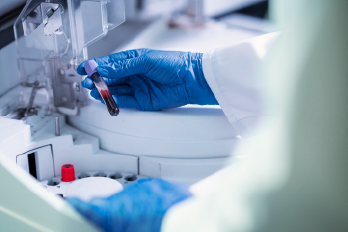
After confirming pregnancy, your doctor will typically recommend a series of blood and urine tests.
- Complete blood count (CBC): Evaluates hemoglobin levels and helps detect anemia or other conditions.
- Blood type and Rh factor: Important to identify potential incompatibilities between mother and baby.
- Blood pregnancy test (hCG):Confirms pregnancy and helps assess its early progression.
- Urinalysis: Detects urinary infections or metabolic changes.
- Infection screening: Your doctor may recommend tests to rule out infections such as HIV, hepatitis, syphilis, or others that could affect the pregnancy.
- Hormonal and metabolic tests: Depending on your medical history, additional tests may be recommended to evaluate hormone levels or blood sugar.
- Early ultrasound: Ultrasound is a key tool in early pregnancy. It confirms that the pregnancy is located in the uterus, determines gestational age, and checks viability.
It also helps detect early complications.
What happens after these tests?
Based on your results, your doctor will create a personalized prenatal care plan. This includes follow-up visits, additional tests, and specific recommendations tailored to your health.
Warning signs in early pregnancy
Although many pregnancies progress normally, you should seek medical attention if you experience:
- Heavy bleeding
- Severe abdominal pain
- Fever
- Persistent dizziness
These symptoms require immediate evaluation.
Support from the beginning
Every pregnancy is unique, and early medical care helps you go through this stage with confidence and peace of mind. Initial testing is the first step toward a healthy pregnancy.
At BlueNet Hospitals, the Gynecology and Obstetrics team supports you from the beginning of your pregnancy, offering laboratory tests, ultrasound services, and personalized care for you and your baby.
Schedule your appointment and start your prenatal care with us.
📲 Book your appointment via WhatsApp+52 1 624 151 0693
Frequently Asked Questions about early pregnancy tests
1. When should I get my first pregnancy tests?
As soon as your pregnancy is confirmed or suspected, ideally within the first weeks.
2. Do all women need the same tests?
Not always. Tests may vary depending on age, medical history, and risk factors.
3. Is an ultrasound necessary at the beginning?
Yes, it helps confirm the pregnancy location and assess early development.
4. Are these tests safe for the baby?
Yes, all initial tests are safe for both mother and baby.
3. What happens if a test result is abnormal?
Your doctor will guide you on the next steps, which may include additional testing or treatment.





Trending Topics
Varicocele
Risk Factors, Diagnosis, and Treatment
Pregnancy infections (TORCH)
Risks, testing, and prevention
Anemia in Women of Reproductive Age
Symptoms, Causes, and Prevention
Head and Neck Surgical Oncologist: The Key Specialist in Your Diagnosis
Discover what they do, which conditions they treat, and when it’s important to seek an evaluation.
Health Library
Gynecology and Obstetrics
Learn more about:
- Vaginitis in Los Cabos: Symptoms, Causes & Gynecological Treatment
- Menopause
- Chronic Pelvic Pain
- Hysterectomy
- Endometriosis Disorder
- Dilation and Curettage (D&C)
- HPV infection: Human Papillomavirus (HPV)
- Managing High-Risk Pregnancy
- Pap Smear
- Polycystic Ovary Syndrome
- Uterine Fibroids
- Anemia in Women of Reproductive Age
- Pregnancy infections (TORCH)
- Do You Need an Appointment with a Specialist?
- call us
- write us
- let's talk

