
Inguinal Hernia and Exercise: Can I Stay Active?
Learn which exercises are safe with an inguinal hernia, what to avoid, and when to see a General Surgeon in Los Cabos.

Being diagnosed with an inguinal hernia does not necessarily mean you have to stop exercising altogether. Many people can continue walking and performing certain low-impact activities safely. However, the type and intensity of exercise matter, especially if physical activity causes pain, pressure, or makes the bulge in your groin more noticeable.
If you are wondering Can I exercise with an inguinal hernia?, the answer depends on the size of the hernia, your symptoms, your overall health, and the type of exercise you want to perform.
Before starting a new workout or returning to heavy lifting, it is important to be evaluated by a General Surgeon. At BlueNetHospitals Los Cabos, our Advanced General Surgery specialists can determine which activities are appropriate and whether your hernia requires monitoring or surgical repair.
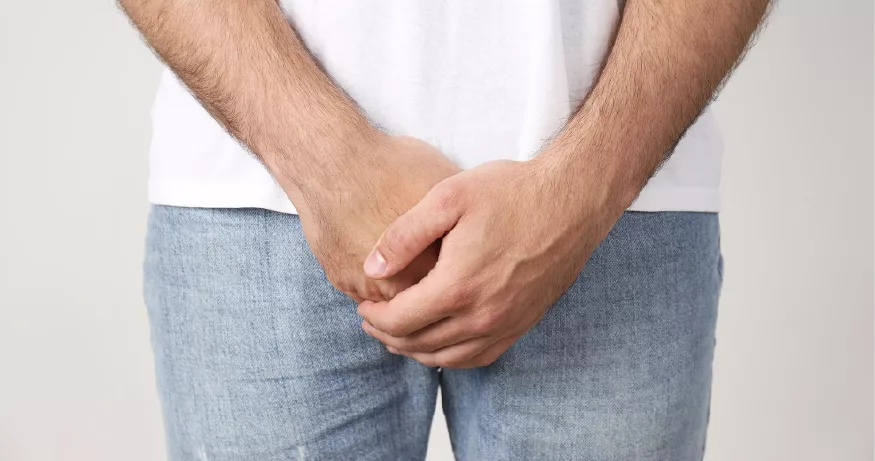
What Is an Inguinal Hernia?An inguinal hernia occurs when abdominal tissue, such as fat or part of the intestine, pushes through a weak area in the lower abdominal wall near the groin.
Inguinal hernias can affect both men and women, although they are considerably more common in men.
One of the most recognizable signs is a bulge in the groin that may become more noticeable when you:
- Stand for long periods.
- Cough or sneeze.
- Bend over.
- Lift something heavy.
- Strain during a bowel movement.
- Exercise.
An inguinal hernia will not heal or close on its own. Some hernias may remain relatively stable for a period of time, while others become larger or increasingly symptomatic.
What Are the Symptoms of an Inguinal Hernia?Not everyone develops symptoms immediately. Some people first notice a small lump or bulge before experiencing discomfort.
Common inguinal hernia symptoms include:
- A bulge on either side of the groin.
- Pain, burning, or aching in the groin.
- A feeling of pressure or heaviness.
- Discomfort when coughing or bending.
- Pain when lifting heavy objects.
- Weakness or pressure in the groin.
- In men, pain or swelling around the scrotum if the hernia extends into this area.
Symptoms often become more noticeable during activities that increase pressure inside the abdomen.
What Causes an Inguinal Hernia?An inguinal hernia usually develops because of a weakness in the abdominal wall combined with increased pressure inside the abdomen.
Factors associated with inguinal hernias include:
- Congenital weakness of the abdominal wall.
- Changes in tissues associated with aging.
- Repeated heavy lifting.
- Chronic coughing.
- Chronic constipation and straining.
- Pregnancy.
- Certain physically demanding activities.
- Previous abdominal weakness or surgery.
There is not always one identifiable cause, and exercising alone does not necessarily cause an inguinal hernia.
Can You Exercise With an Inguinal Hernia?In many cases, yes.
Having an inguinal hernia does not automatically require complete physical inactivity. People with small or minimally symptomatic hernias may be able to continue certain forms of exercise after medical evaluation.
Moderate physical activity can help maintain:
- Cardiovascular fitness.
- Mobility.
- Muscle function.
- A healthy body weight.
- Overall well-being.
The most important consideration is how your body responds.
Exercise should not cause significant groin pain, increasing pressure, or a noticeable increase in the size of the hernia.
If these symptoms occur, stop exercising and speak with your doctor.
What Exercises Can I Do With an Inguinal Hernia?There is no single exercise program that is appropriate for everyone with an inguinal hernia.
Depending on your symptoms and your surgeon's recommendations, lower-impact activities may be better tolerated.
Examples may include:
- Walking.
- Light stationary cycling.
- Gentle mobility exercises.
- Some forms of low-impact cardiovascular exercise.
Start gradually rather than suddenly increasing intensity.
If you regularly go to the gym, perform strength training, or participate in competitive sports, talk with a General Surgeon about your current routine before continuing with heavy resistance.
Can I Walk With an Inguinal Hernia?For many people, walking is one of the easiest activities to continue with an inguinal hernia.
Walking does not usually create the same level of abdominal pressure as heavy resistance training and can help maintain cardiovascular health and mobility.
However, even walking should not be continued through significant pain.
If walking causes increasing groin pain, pressure, or enlargement of the bulge, schedule an evaluation.
Can I Lift Weights With an Inguinal Hernia?This is one of the most common questions patients ask after an inguinal hernia diagnosis.
Heavy lifting increases intra-abdominal pressure, which can make an existing hernia more prominent or symptomatic.
This does not necessarily mean that every form of resistance training is prohibited for every patient. The appropriate level of activity depends on your symptoms, the characteristics of the hernia, and your surgeon's recommendations.
Until you have been evaluated, avoid loads that cause:
- Groin pain.
- Increased bulging.
- Significant pressure around the hernia.
- Straining or excessive breath-holding to complete the movement.
Trying to strengthen your abdominal muscles to “push the hernia back in” is not an effective treatment.
Exercise cannot repair the opening or weakness in the abdominal wall.
Can I Do Ab Workouts With an Inguinal Hernia?Exercises that strongly contract the abdominal muscles can increase intra-abdominal pressure.
Traditional sit-ups, crunches, heavy compound lifts, and other high-intensity abdominal exercises may worsen symptoms in some people.
There is no universal list of exercises that everyone with an inguinal hernia must avoid. The safest approach is to adapt your workout based on symptoms and your surgeon's evaluation.
If an abdominal exercise causes pain or pressure around the groin, stop the movement.
Can I Run With an Inguinal Hernia?Some people with small, minimally symptomatic inguinal hernias may tolerate running without significant discomfort.
Others may notice:
- Groin pain.
- Pulling sensations.
- Pressure.
- Increased bulging.
If running causes symptoms, switch temporarily to a lower-impact activity such as walking until you have been evaluated.
Do not try to run through groin pain simply to maintain your usual training schedule.
Is Swimming Safe With an Inguinal Hernia?Swimming may be a comfortable, lower-impact exercise for some people with an inguinal hernia.
However, different swimming strokes engage the abdominal muscles differently, so even low-impact exercise can cause symptoms in certain patients.
If swimming causes pain, pressure, or a noticeable change in your hernia, stop and seek medical advice.
Can I Do Yoga or Pilates With an Inguinal Hernia?It depends on the movements involved.
Yoga and Pilates include a wide range of exercises. Some focus primarily on mobility and controlled movement, while others require substantial abdominal muscle contraction.
If you participate in either activity:
- Tell your instructor that you have an inguinal hernia.
- Avoid positions that cause pain or pressure.
- Do not force movements.
- Follow your surgeon's recommendations.
No. Exercise cannot cure an inguinal hernia.
This is an important distinction because online searches frequently lead to exercises claiming to “heal” or “fix” a hernia naturally.
An inguinal hernia involves a defect or weak area in the abdominal wall. Exercise may improve your general fitness and strengthen surrounding muscles, but it cannot close the hernia defect.
When definitive repair is necessary, treatment is surgical.
Do All Inguinal Hernias Need Surgery?Not necessarily right away.
For some men with an asymptomatic or minimally symptomatic inguinal hernia, watchful waiting can be a reasonable option after evaluation by a surgeon.
However, symptoms may develop or increase over time, and many patients eventually choose surgical repair.
Surgery is more likely to be recommended when the hernia:
- Causes persistent pain.
- Limits exercise or daily activities.
- Becomes progressively larger.
- Is difficult to reduce.
- Develops signs of incarceration or strangulation.
Management can differ for women with groin hernias because of the possibility of a femoral hernia and its associated risk of complications. For this reason, women with a suspected groin hernia should receive a surgical evaluation rather than assuming that watchful waiting is appropriate.
How Is an Inguinal Hernia Treated?When definitive treatment is needed, an inguinal hernia is repaired surgically.
The main approaches include:
Open Hernia RepairThe surgeon makes an incision near the groin, returns the protruding tissue to its appropriate position, and reinforces the weakened area.
Minimally Invasive Hernia RepairLaparoscopic or robotic techniques use small incisions to access and repair the hernia.
Depending on the procedure, mesh may be used to reinforce the abdominal wall and reduce the risk of recurrence.
The best surgical approach depends on factors such as:
- Type and size of the hernia.
- Whether one or both sides are affected.
- Previous hernia repairs.
- Previous abdominal surgery.
- Overall health.
- Surgeon experience.
Your General Surgeon will discuss which approach is most appropriate for your individual case.
Can I Exercise After Inguinal Hernia Surgery?Yes. Returning to physical activity is an important part of recovery, but it should be gradual.
Walking and gentle movement are generally encouraged early after uncomplicated hernia surgery.
The timing for returning to:
- Running.
- Cycling.
- Swimming.
- Abdominal exercises.
- Weight training.
- Heavy lifting.
- Competitive sports.
depends on the type of repair, your recovery, and your surgeon's instructions.
Rather than following a universal timeline found online, ask your surgeon when you can safely return to each activity.
When Is an Inguinal Hernia an Emergency?Most inguinal hernias can be evaluated during a scheduled medical appointment, but certain symptoms require immediate medical attention.
Go to an Emergency Department if you experience:
- Sudden or severe groin pain.
- Rapidly worsening pain.
- Nausea or vomiting.
- Fever.
- A bulge that was previously reducible but can no longer be pushed back.
- A bulge that becomes red, purple, or dark.
- Abdominal swelling.
- Inability to pass stool or gas.
These symptoms may indicate an incarcerated or strangulated hernia.
A strangulated hernia occurs when the blood supply to trapped tissue is compromised. This is a potentially life-threatening surgical emergency and requires immediate treatment.
Inguinal Hernia and Exercise: Staying Active SafelyAn inguinal hernia does not necessarily mean giving up physical activity.
The goal is to stay active without ignoring symptoms.
Walking and selected lower-impact activities may be appropriate for many patients, while heavy lifting or exercises that cause pain should be limited until you have been properly evaluated.
Most importantly, remember that exercise can help you stay fit, but it cannot make an inguinal hernia disappear.
A surgical evaluation can help you understand whether you can safely continue exercising, whether your hernia can be monitored, or whether surgical repair is the better option.
Advanced General Surgery for Inguinal Hernia in Los CabosIf you have noticed a groin bulge, experience pain when exercising or lifting weights, or have already been diagnosed with an inguinal hernia, specialized evaluation can help you understand your options.
At BlueNetHospitals Los Cabos, our Advanced General Surgery team provides personalized evaluation and treatment for inguinal hernias, including open and minimally invasive surgical options when appropriate.
Our goal is to help you return safely to your daily activities, work, exercise, and the lifestyle you enjoy.
Schedule an Appointment With a General Surgeon in Los CabosIf you have an inguinal hernia or are unsure whether you can continue exercising safely, don't wait for the symptoms to interfere with your daily life.
Schedule an evaluation with a General Surgeon at BlueNetHospitals Los Cabos to determine the safest approach based on your symptoms, physical activity, and individual needs.
📲 Schedule your appointment via WhatsApp: +52 1 624 151 0693
Get specialized inguinal hernia care in Los Cabos, Baja California Sur, with an experienced Advanced General Surgery team.
Frequently Asked Questions About Inguinal Hernia and Exercise1. Can I exercise with an inguinal hernia?
Many people with small or minimally symptomatic inguinal hernias can perform certain types of physical activity. Exercise should not cause significant pain, pressure, or increased bulging. A General Surgeon can determine which activities are appropriate for you.
2. Can I walk with an inguinal hernia?Yes, walking is generally well tolerated by many people with an inguinal hernia. Stop and seek medical advice if walking causes increasing pain or pressure in the groin.
3. Can I go to the gym with an inguinal hernia?Possibly, but your workout may need to be modified. Heavy resistance exercises and movements that cause significant straining may worsen symptoms. Get medical guidance before continuing heavy weight training.
4. Can lifting weights make an inguinal hernia worse?Heavy lifting increases intra-abdominal pressure and can make an existing hernia more noticeable or symptomatic. If lifting causes pain, pressure, or increased bulging, stop and consult a General Surgeon.
5. Can exercise heal an inguinal hernia?No. Exercise can improve overall fitness but cannot close the defect in the abdominal wall responsible for an inguinal hernia.
6. Can I do sit-ups or abdominal exercises with an inguinal hernia?Some abdominal exercises significantly increase intra-abdominal pressure and may aggravate symptoms. Whether they are appropriate depends on your individual condition and should be discussed with your surgeon.
7. Can I run with an inguinal hernia?Some people with minimally symptomatic hernias can run comfortably. If running causes pain, pressure, or increased bulging, stop and seek medical advice.
8. Do all inguinal hernias require surgery?Not all inguinal hernias require immediate surgery. Watchful waiting may be appropriate for selected men with asymptomatic or minimally symptomatic hernias. Symptomatic or complicated hernias require surgical evaluation.
9. What are the warning signs of a strangulated hernia?Severe or rapidly worsening pain, vomiting, fever, inability to reduce the hernia, changes in the color of the bulge, abdominal swelling, or inability to pass stool or gas require immediate medical attention.
10. What type of doctor treats an inguinal hernia?A General Surgeon evaluates and treats inguinal hernias and determines whether observation or surgical repair is the most appropriate approach.
11. Where can I see a General Surgeon for an inguinal hernia in Los Cabos?BlueNetHospitals Los Cabos provides evaluation and treatment for inguinal hernias through its Advanced General Surgery team, including open and minimally invasive surgical options when clinically appropriate.
Trending Topics
Advanced General Surgery





Trending Topics
Stroke: Symptoms, Causes & Treatment
Learn how to recognize stroke symptoms, understand its causes, and why emergency treatment can save brain function and lives.
Varicocele
Symptoms, Causes, Diagnosis, and Treatment to Protect Men's Health
Pregnancy infections (TORCH)
Risks, testing, and prevention
Anemia in Women of Reproductive Age
Symptoms, Causes, and Prevention
Health Library
Advanced General Surgery
Learn more about:
- Shoulder-Surgery
- Appendicitis: Symptoms and When to Seek Emergency Care
- Inguinal Hernia
- Endoscopy
- Gastrointestinal Bleeding is a digestive system disorder
- Abdominal Hernia
- Laparotomy
- Spigelian Hernia
- Colonoscopy: When You Need One and How to Prepare
- Hemorrhoid Surgery: Techniques, Recovery, and Aftercare
- Hemorrhoids: Symptoms, Causes, and Effective Treatments
- Appendectomy: Surgery, Duration, and Recovery
- Do You Need an Appointment with a Specialist?
- call us
- write us
- let's talk

