
Hematology
Anemia: Symptoms, Causes, Treatment and Prevention
Learn how to identify anemia, understand its causes, and explore effective treatment options to improve your health and energy levels.
What Is Anemia?
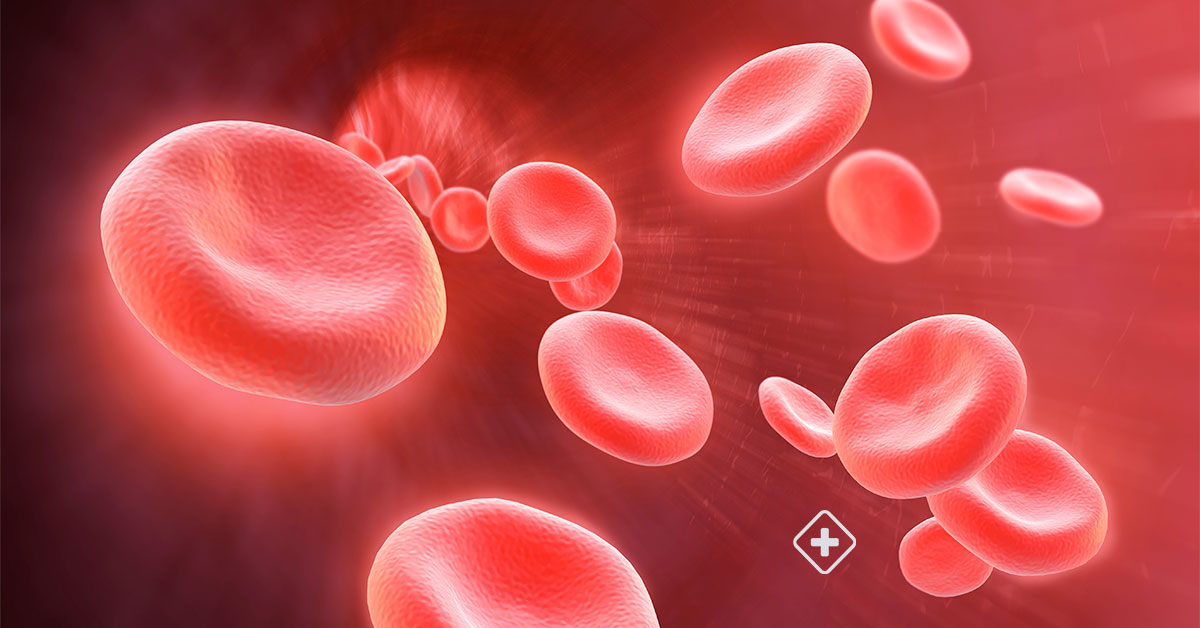
Anemia occurs when hemoglobin levels in the blood are lower than normal or when there are not enough healthy red blood cells. This reduces the body’s ability to carry oxygen to organs and tissues.
In adults, anemia is typically diagnosed when hemoglobin levels fall below 13 g/dL in men and 12 g/dL in women.
During pregnancy, especially from the second trimester onward, anemia is considered when hemoglobin levels drop below 10.5 g/dL.
How Does Blood Work?
Blood plays a vital role in keeping the body functioning properly. It is made up of:
- Red blood cells that carry oxygen
- White blood cells that help fight infections
- Platelets that support blood clotting
Red blood cells are produced in the bone marrow and require iron, vitamin B12, and folic acid to develop properly. When the body lacks these nutrients, production decreases.
Symptoms of Anemia
Anemia may not cause noticeable symptoms at first. Over time, it can lead to signs that affect daily life:
- Persistent fatigue
- Weakness
- Pale skin, lips, or nails
- Dizziness or headaches
- Shortness of breath during activity
- Heart palpitations
- Difficulty concentrating
If you experience these symptoms, a blood test is recommended to rule out anemia.
Main Causes of Anemia
Anemia can have different causes, and each requires a specific approach.
- Iron or vitamin deficiency
This is the most common cause. A diet low in iron, vitamin B12, or folic acid can lead to anemia. - Blood loss
This may result from heavy menstrual periods, digestive issues, or internal bleeding. - Chronic diseases
Conditions such as kidney disease, cancer, or inflammatory disorders can interfere with red blood cell production. - Bone marrow disorders
These affect the body’s ability to produce blood cells. - Inherited anemias
Such as sickle cell anemia or thalassemia, which affect the shape or function of red blood cells.
Certain conditions increase the likelihood of developing anemia:
- Diet low in iron and essential vitamins
- Pregnancy
- Intestinal disorders that affect nutrient absorption
- Chronic illnesses
- Age over 65
- Family history
Treatment of Anemia
Treatment depends on the underlying cause and hemoglobin levels.
When anemia is caused by iron or vitamin deficiency, supplements are usually prescribed. In more severe cases, intravenous treatment may be required.
If anemia is related to another medical condition, addressing the root cause is essential.
For an accurate diagnosis, a complete blood count (CBC) performed in a clinical laboratory is recommended, along with a medical evaluation.
Can Anemia Be Prevented?
In many cases, yes, especially when it is related to nutrition.
A balanced diet can help maintain healthy hemoglobin levels. It is recommended to include:
- Iron-rich foods such as meat, lentils, and spinach
- Vitamin B12 from animal-based products
- Folic acid found in leafy green vegetables
- Vitamin C, which helps improve iron absorption
What Specialists Treat Anemia?
Managing anemia may involve different medical specialists depending on the cause:
- Internal medicine for comprehensive evaluation
- Hematology for blood-related disorders
- Gynecology for cases related to menstruation or pregnancy
- Gastroenterology if digestive bleeding is suspected
- Nephrology for patients with kidney disease
At BlueNetHospitals, a multidisciplinary team is available to provide accurate diagnosis and personalized treatment.
When Should You See a Doctor?
You should seek medical attention if you experience:
- Ongoing fatigue
- Frequent dizziness
- Shortness of breath
- Persistent paleness
Early diagnosis allows for more effective treatment and helps prevent complications.
Specialized Care
At BlueNetHospitals, specialists in internal medicine and hematology can help identify the cause of anemia and provide the appropriate treatment.
Taking care of your health today can make a meaningful difference in your overall well-being.
1. Is anemia dangerous?
It can be if left untreated. Anemia affects how oxygen is delivered throughout the body and may lead to complications, especially in the heart and other organs.
2. Can anemia be cured?
In many cases, yes. Treatment is often effective once the underlying cause is identified and addressed.
3. What is the most common type of anemia?
Iron deficiency anemia is the most common form worldwide.
4. How long does it take to recover from anemia?
Recovery time varies depending on the cause, but improvement is often seen within a few weeks with proper treatment.
5. What foods help increase hemoglobin levels?
Foods rich in iron such as red meat, lentils, and leafy greens, along with vitamin C–rich foods, can help improve hemoglobin levels.
6. Can you have anemia without symptoms?
Yes, especially in early stages. Some people may not notice symptoms until the condition progresses.
7. What happens if anemia is not treated?
Untreated anemia can lead to fatigue, weakened immunity, heart strain, and worsening of existing health conditions.
8. What test is used to detect anemia?
A blood test called a complete blood count (CBC) is used to diagnose anemia and assess its severity.
📲 Book your appointment via WhatsApp
+52 1 624 151 0693
FAQ – Frequently Asked Questions
1. Is anemia dangerous?
It can be if left untreated. Anemia affects how oxygen is delivered throughout the body and may lead to complications, especially in the heart and other organs.
2. Can anemia be cured?
In many cases, yes. Treatment is often effective once the underlying cause is identified and addressed.
3. What is the most common type of anemia?
Iron deficiency anemia is the most common form worldwide.
4. How long does it take to recover from anemia?
Recovery time varies depending on the cause, but improvement is often seen within a few weeks with proper treatment.
5. What foods help increase hemoglobin levels?
Foods rich in iron such as red meat, lentils, and leafy greens, along with vitamin C–rich foods, can help improve hemoglobin levels.
6. Can you have anemia without symptoms?
Yes, especially in early stages. Some people may not notice symptoms until the condition progresses.
7. What happens if anemia is not treated?
Untreated anemia can lead to fatigue, weakened immunity, heart strain, and worsening of existing health conditions.
8. What test is used to detect anemia?
A blood test called a complete blood count (CBC) is used to diagnose anemia and assess its severity.




Hematology
Hematomas (Bruises)
Causes, Symptoms, Treatment, and When to See a Specialist
Hematology
Non-Hodgkin's lymphomas
Non-Hodgkin's lymphomas are a type of cancer that impacts the lymphatic system.
Hematology
Leukemia
Leukemia cannot be completely prevented, but there are measures that can be taken to reduce the risk of developing it.
- Do You Need an Appointment with a Specialist?
- call us
- write us
- let's talk

