
Mpox (Monkeypox): Symptoms, Causes, Treatment & Prevention
Learn how mpox spreads, its symptoms, treatment options, prevention tips, and when to seek expert medical care in Los Cabos.
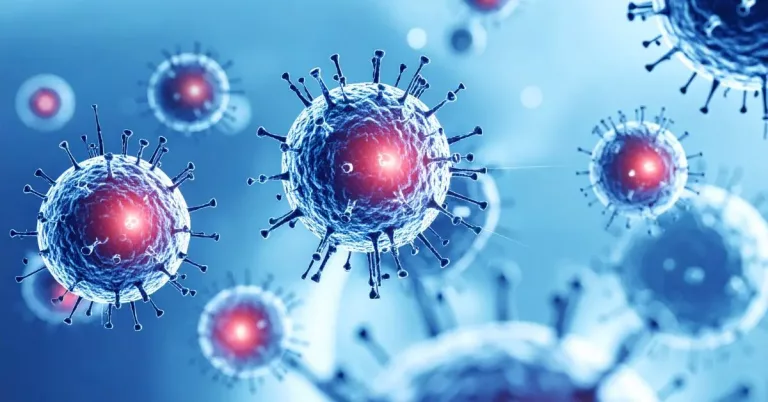
Mpox, formerly known as monkeypox, is a viral disease caused by the monkeypox virus. While most people recover completely, the infection can lead to serious complications in some cases, particularly in individuals with weakened immune systems, young children, pregnant women, and people with certain chronic medical conditions.
Understanding how mpox spreads, recognizing its symptoms, and knowing when to seek medical care are essential for early diagnosis, proper treatment, and reducing the risk of transmission.
At BlueNetHospitals, our Internal Medicine specialists provide comprehensive evaluation, diagnosis, treatment, and follow-up care for infectious diseases, using the latest evidence-based medical guidelines.
What Is Mpox?Mpox is a zoonotic viral disease, meaning it can spread from certain animals to humans and also from person to person through close physical contact.
The virus belongs to the Orthopoxvirus family, the same family that includes the virus responsible for smallpox. However, mpox generally causes a milder illness than smallpox.
In 2022, the World Health Organization (WHO) adopted the term mpox as the preferred name for the disease. Nevertheless, "monkeypox" remains a commonly recognized term and is still widely used by the public.
How Does Mpox Spread?Mpox is primarily transmitted through close physical contact with an infected person.
The virus can spread through:
- Direct contact with the rash, blisters, or scabs.
- Contact with body fluids.
- Prolonged face-to-face exposure to respiratory secretions.
- Contact with contaminated clothing, bedding, towels, or personal items.
- Contact with infected animals in areas where the virus is endemic.
The virus enters the body through broken skin—even microscopic cuts—or through the mucous membranes of the eyes, nose, or mouth.
Although mpox can spread during sexual activity because of close skin-to-skin contact, it is not considered exclusively a sexually transmitted infection (STI). Transmission can occur during any close physical contact with an infected person.
Symptoms of MpoxSymptoms typically develop 5 to 21 days after exposure to the virus.
Early symptoms may include:
- Fever
- Headache
- Muscle aches
- Extreme fatigue
- Chills
- Swollen lymph nodes
Within a few days, a characteristic rash develops. The rash may appear on the:
- Face
- Hands
- Feet
- Mouth
- Genital or anal area
- Other parts of the body
The skin lesions usually progress through several stages:
- Flat spots (macules)
- Raised bumps (papules)
- Fluid-filled blisters (vesicles)
- Pus-filled lesions (pustules)
- Scabs
Most people recover within 2 to 4 weeks, although recovery time may vary depending on the individual's overall health.
Who Is at Higher Risk for Severe Illness?While many people experience mild disease, certain groups have a higher risk of complications, including:
- People with weakened immune systems
- Individuals with uncontrolled HIV infection
- Pregnant women
- Young children
- People with extensive eczema or other skin disorders
- Individuals with significant chronic medical conditions
Early medical evaluation is especially important for patients in these higher-risk groups.
How Is Mpox Diagnosed?Diagnosis begins with a thorough medical evaluation, including a review of symptoms, medical history, recent exposures, and travel history.
If mpox is suspected, your physician may order a PCR laboratory test using a sample collected directly from a skin lesion to confirm the diagnosis.
Additional testing may be recommended to rule out other conditions with similar symptoms.
Treatment for MpoxMost patients receive supportive care, aimed at relieving symptoms while the body clears the infection.
Treatment may include:
- Medications to reduce pain and fever
- Adequate hydration
- Proper wound and skin care
- Prevention of secondary bacterial infections
- Rest and close medical follow-up
For patients at higher risk of severe disease or complications, an Internal Medicine specialist may consider antiviral therapy, such as tecovirimat, when clinically appropriate and available according to current public health recommendations.
Self-medication is not recommended. A professional medical evaluation is essential to determine the most appropriate treatment plan.
How Can Mpox Be Prevented?Preventive measures remain the most effective way to reduce the spread of mpox.
Recommendations include:
- Avoid direct contact with anyone who has a suspicious rash or confirmed mpox.
- Do not share clothing, towels, bedding, or personal items with infected individuals.
- Wash your hands frequently with soap and water or use an alcohol-based hand sanitizer.
- Keep skin lesions covered if you have a confirmed infection.
- Clean and disinfect frequently touched surfaces.
- Follow isolation recommendations provided by your healthcare provider.
Vaccines are available for individuals at increased risk of exposure. Routine vaccination is not recommended for the general population, but it may be advised for specific high-risk groups or after certain confirmed exposures, following public health guidance.
How Long Should Someone with Mpox Isolate?People diagnosed with mpox should avoid close physical contact until all skin lesions have healed completely, every scab has fallen off naturally, and a new layer of healthy skin has formed.
Following isolation recommendations helps prevent transmission to others.
When Should You See a Doctor?Schedule an appointment with an Internal Medicine specialist if you develop:
- Fever accompanied by a skin rash.
- Unexplained skin lesions.
- Swollen lymph nodes.
- Close contact with someone diagnosed with mpox.
- Symptoms after travel or after exposure to a confirmed case.
- Difficulty breathing
- Severe or worsening pain
- Eye involvement or vision changes
- Difficulty eating or drinking
- Signs of dehydration
- Confusion or altered mental status
- Rapid worsening of symptoms
Early medical evaluation allows for timely diagnosis, appropriate treatment, and helps reduce the risk of complications.
What Is the Outlook for Mpox?Most people with mpox experience a mild to moderate illness and recover completely within 2 to 4 weeks.
Serious complications are uncommon but are more likely in individuals with weakened immune systems or underlying medical conditions. Prompt medical care can significantly improve outcomes.
Internal Medicine Care in Los CabosAt BlueNetHospitals, our Internal Medicine specialists provide expert diagnosis and treatment for infectious diseases, including mpox (monkeypox).
We offer evidence-based, patient-centered care focused on accurate diagnosis, personalized treatment, and comprehensive follow-up to help every patient recover safely.
Schedule an Appointment with an Internal Medicine SpecialistIf you have symptoms of mpox or have been in close contact with someone diagnosed with the virus, early medical evaluation is essential.
📲 Schedule your appointment via WhatsApp:
+52 (624) 151 0693
Receive expert medical care, an accurate diagnosis, and a personalized treatment plan to protect your health and the health of those around you.
Frequently Asked Questions1. Are mpox and monkeypox the same disease?
Yes. Mpox is the official name currently recommended by the World Health Organization for the disease previously known as monkeypox.
2. How does mpox spread?Mpox spreads primarily through direct contact with skin lesions, body fluids, respiratory secretions during prolonged close contact, and contaminated personal items such as bedding or clothing.
3. How long after exposure do symptoms appear?The incubation period typically ranges from 5 to 21 days, although it may vary from person to person.
4. Is there a specific treatment for mpox?Most patients recover with supportive care. In selected high-risk patients, antiviral medications may be recommended based on current medical guidelines and individual clinical evaluation.
5. Does everyone with mpox need to be hospitalized?No. Most people experience mild to moderate illness and recover at home with medical supervision. Hospitalization is generally reserved for patients with severe disease or complications.
6. How long does mpox last?Most cases resolve within 2 to 4 weeks, although recovery time may vary depending on the patient's overall health.
7. Can I still spread mpox after I start feeling better?Yes. A person may remain contagious until all lesions have completely healed, the scabs have fallen off naturally, and new skin has formed.
8. Where can I see an Internal Medicine specialist for mpox in Los Cabos?
At BlueNetHospitals, our Internal Medicine specialists provide comprehensive evaluation, diagnosis, treatment, and follow-up care for mpox and other infectious diseases, offering personalized medical care for patients in Los Cabos.






Trending Topics
Stroke: Symptoms, Causes & Treatment
Learn how to recognize stroke symptoms, understand its causes, and why emergency treatment can save brain function and lives.
Varicocele
Symptoms, Causes, Diagnosis, and Treatment to Protect Men's Health
Pregnancy infections (TORCH)
Risks, testing, and prevention
Anemia in Women of Reproductive Age
Symptoms, Causes, and Prevention
Health Library
Internal Medicine
- Do You Need an Appointment with a Specialist?
- call us
- write us
- let's talk

