
Internal Medicine
Understanding Dengue: A Comprehensive Guide
Dengue prevention focuses on reducing mosquito populations and avoiding their bites
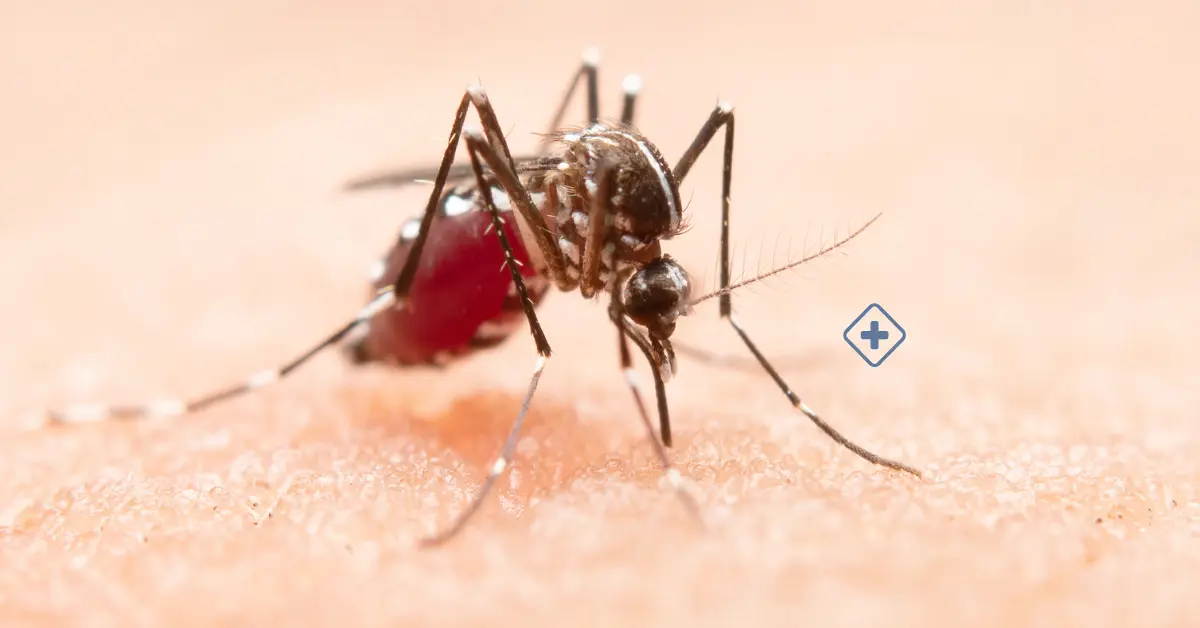
Dengue in Los Cabos: Symptoms, Warning Signs and Prevention
Learn how to recognize dengue symptoms, when to seek medical care and what steps you can take to protect your family.
Dengue is a viral infection transmitted primarily through the bite of infected mosquitoes. It can affect both children and adults and poses a health risk in different regions of Mexico, including Baja California Sur.
Although many people recover without serious complications, some patients may develop severe dengue, a condition that requires immediate medical attention.
Recognizing the symptoms, avoiding self-medication and watching for warning signs can make an important difference.
What Is Dengue and How Is It Transmitted?
Dengue is a disease caused by the dengue virus, which has four distinct serotypes.
It is transmitted primarily through the bite of infected mosquitoes of the Aedes genus, especially Aedes aegypti.
These mosquitoes are commonly found near homes and other inhabited areas, where they can breed in containers that collect water.
Unlike some other mosquitoes, Aedes aegypti can bite during the day, especially in the early morning and late afternoon, although it may also bite at other times.
Dengue is not transmitted through everyday contact, such as hugging, greeting or sharing food with an infected person. Other less common transmission routes exist, but bites from infected mosquitoes are the primary means of transmission.
A person can contract dengue more than once because infection with one serotype does not provide lasting protection against the others.
What Are the Symptoms of Dengue?
Symptoms generally begin between 4 and 10 days after the bite of an infected mosquito.
Fever is one of the most common symptoms and may be accompanied by:
Not everyone who becomes infected develops symptoms, and some people experience mild symptoms that can be confused with other illnesses.
For this reason, having a fever and muscle pain does not necessarily mean that you have dengue. Medical evaluation is important to establish a diagnosis and rule out other possible causes.
Dengue Warning Signs: When Should You Go to the Emergency Department?
Although many cases of dengue can be managed with outpatient medical follow-up, some people develop complications that require hospital care.
Seek immediate medical attention if you experience any of the following warning signs:
An Important Warning: The Disappearance of Fever Does Not Always Mean Recovery
In some patients, the period of greatest risk begins when the fever decreases or disappears.
Warning signs may develop over the following 24 to 48 hours, even when the person initially seemed to be getting better.
For this reason, it is important to continue monitoring symptoms and follow medical instructions, especially during the first few days of the illness.
If warning signs appear, do not wait for symptoms to worsen. Go to an Emergency Department.
BlueNet Hospitals — 24/7 Emergency Care
Phone: +52 (624) 104 3911
What Is Severe Dengue?
Severe dengue is a complication that can be life-threatening.
It can cause significant changes in blood circulation, fluid accumulation, severe bleeding or organ damage.
In the most serious cases, circulatory shock may occur, a condition in which the organs do not receive enough blood flow.
Severe dengue requires immediate hospital care and, in certain circumstances, intensive care.
Early recognition of warning signs and appropriate supportive treatment are essential to reducing the risk of complications.
How Is Dengue Diagnosed?
Diagnosis begins with a medical evaluation that considers symptoms, medical history and possible exposure to mosquitoes in an area where dengue transmission occurs.
Depending on how many days have passed since symptoms began and the patient's condition, the doctor may request different tests.
Specific Tests for Dengue
Laboratory tests are available to help identify dengue virus infection.
These include NS1 antigen tests, molecular tests and antibody tests.
The choice of test depends mainly on the time elapsed since symptoms began and the medical evaluation.
A negative test does not always rule out dengue, especially if it is performed outside the most appropriate testing period.
Complete Blood Count and Other Tests
The doctor may also request a complete blood count to evaluate parameters such as:
It is important to understand that dengue diagnosis and severity are not determined solely by the platelet count.
Clinical evaluation, vital signs, hydration status, symptom progression and laboratory results must all be considered together.
What Is the Treatment for Dengue?
There is currently no specific antiviral medication that cures dengue.
Treatment focuses on relieving symptoms, maintaining adequate hydration, monitoring the patient's condition and identifying possible complications as early as possible.
For cases that can be managed at home, the doctor will generally recommend:
Which Medications Should Be Avoided If Dengue Is Suspected?
Aspirin, ibuprofen, naproxen and other nonsteroidal anti-inflammatory drugs (NSAIDs) should not be used without medical advice, as they may increase the risk of bleeding.
Antibiotics should not be used to treat dengue either, unless a doctor identifies another infection that requires this type of treatment.
Avoid self-medication, especially if you have persistent fever, vomiting, bleeding or any warning signs.
When Is Hospitalization Necessary?
Some patients require hospitalization for monitoring, fluid management and treatment of complications.
This may be necessary when warning signs or severe dengue are present, when the patient has difficulty maintaining adequate hydration or when certain medical conditions increase the risk of complications.
Intravenous fluids are not necessary for every patient with dengue and should be administered according to medical evaluation.
Who Needs Closer Monitoring?
Anyone can develop complications from dengue. However, certain patients require particularly careful evaluation and follow-up.
These include:
Having risk factors does not necessarily mean that a person will develop complications, but it may affect recommendations for monitoring and treatment.
How Can You Prevent Dengue in Los Cabos?
Prevention is primarily based on avoiding mosquito bites and reducing places where mosquitoes can breed.
1. Use Mosquito Repellent
Choose registered mosquito repellents and follow the manufacturer's instructions.
Common active ingredients include DEET, picaridin and IR3535.
For children, use products appropriate for their age and follow specific application recommendations.
2. Wear Clothing That Protects Your Skin
Whenever possible, wear lightweight long-sleeved clothing, long pants and footwear that help reduce exposure to mosquito bites.
3. Protect Doors and Windows
Install or check window and door screens to reduce the number of mosquitoes entering your home.
In areas where mosquitoes cannot be avoided, bed nets may also be used.
4. Eliminate Standing Water
Mosquitoes can breed in even small amounts of standing water.
Regularly check:
5. Maintain Prevention Measures Throughout the Year
Although rainfall can encourage mosquito breeding, prevention should not be limited to the rainy season.
In areas where dengue transmission is a risk, it is advisable to maintain preventive measures throughout the year.
Dengue in Children: What Should Parents Watch For?
Children may experience fever, irritability, tiredness, vomiting and other symptoms similar to those seen in adults.
In infants and young children, it may be more difficult to identify or communicate certain symptoms.
It is important to watch for:
If any warning signs appear, the child should receive immediate medical attention.
Do not give aspirin or anti-inflammatory medications such as ibuprofen when dengue is suspected, unless specifically instructed by a doctor.
What Should You Do If You Suspect You Have Dengue?
If you develop a fever and other symptoms consistent with dengue, especially after spending time in an area where transmission is a risk, you should seek medical evaluation.
While waiting for medical care:
If warning signs appear, go to the Emergency Department immediately.
Medical Care for Dengue at BlueNet Hospitals
At BlueNet Hospitals, in Cabo San Lucas, we provide medical and hospital services for the evaluation of patients with suspected dengue and the care of those who require follow-up or specialized treatment.
Depending on the patient's condition, care may involve:
Our Emergency Department is available 24 hours a day, 7 days a week.
Do You Have Dengue Symptoms or Need Medical Attention?
Do not ignore a persistent fever or warning signs.
A medical evaluation can help identify the cause of your symptoms, provide guidance on the necessary care and determine whether you need additional tests or monitoring.
Appointments and Information: +52 (624) 104 3910
Learn how to recognize dengue symptoms, when to seek medical care and what steps you can take to protect your family.
Dengue is a viral infection transmitted primarily through the bite of infected mosquitoes. It can affect both children and adults and poses a health risk in different regions of Mexico, including Baja California Sur.
Although many people recover without serious complications, some patients may develop severe dengue, a condition that requires immediate medical attention.
Recognizing the symptoms, avoiding self-medication and watching for warning signs can make an important difference.
What Is Dengue and How Is It Transmitted?
Dengue is a disease caused by the dengue virus, which has four distinct serotypes.
It is transmitted primarily through the bite of infected mosquitoes of the Aedes genus, especially Aedes aegypti.
These mosquitoes are commonly found near homes and other inhabited areas, where they can breed in containers that collect water.
Unlike some other mosquitoes, Aedes aegypti can bite during the day, especially in the early morning and late afternoon, although it may also bite at other times.
Dengue is not transmitted through everyday contact, such as hugging, greeting or sharing food with an infected person. Other less common transmission routes exist, but bites from infected mosquitoes are the primary means of transmission.
A person can contract dengue more than once because infection with one serotype does not provide lasting protection against the others.
What Are the Symptoms of Dengue?
Symptoms generally begin between 4 and 10 days after the bite of an infected mosquito.
Fever is one of the most common symptoms and may be accompanied by:
- Severe headache.
- Pain behind the eyes.
- Muscle, joint or bone pain.
- Nausea or vomiting.
- Skin rashes or spots.
- Tiredness and weakness.
- General discomfort.
Not everyone who becomes infected develops symptoms, and some people experience mild symptoms that can be confused with other illnesses.
For this reason, having a fever and muscle pain does not necessarily mean that you have dengue. Medical evaluation is important to establish a diagnosis and rule out other possible causes.
Dengue Warning Signs: When Should You Go to the Emergency Department?
Although many cases of dengue can be managed with outpatient medical follow-up, some people develop complications that require hospital care.
Seek immediate medical attention if you experience any of the following warning signs:
- Severe or persistent abdominal pain.
- Persistent vomiting.
- Bleeding from the nose or gums.
- Vomiting blood or blood in the stool.
- Excessive drowsiness, irritability or marked restlessness.
- Difficulty breathing.
- Extreme weakness, fainting or a worsening general condition.
An Important Warning: The Disappearance of Fever Does Not Always Mean Recovery
In some patients, the period of greatest risk begins when the fever decreases or disappears.
Warning signs may develop over the following 24 to 48 hours, even when the person initially seemed to be getting better.
For this reason, it is important to continue monitoring symptoms and follow medical instructions, especially during the first few days of the illness.
If warning signs appear, do not wait for symptoms to worsen. Go to an Emergency Department.
BlueNet Hospitals — 24/7 Emergency Care
Phone: +52 (624) 104 3911
What Is Severe Dengue?
Severe dengue is a complication that can be life-threatening.
It can cause significant changes in blood circulation, fluid accumulation, severe bleeding or organ damage.
In the most serious cases, circulatory shock may occur, a condition in which the organs do not receive enough blood flow.
Severe dengue requires immediate hospital care and, in certain circumstances, intensive care.
Early recognition of warning signs and appropriate supportive treatment are essential to reducing the risk of complications.
How Is Dengue Diagnosed?
Diagnosis begins with a medical evaluation that considers symptoms, medical history and possible exposure to mosquitoes in an area where dengue transmission occurs.
Depending on how many days have passed since symptoms began and the patient's condition, the doctor may request different tests.
Specific Tests for Dengue
Laboratory tests are available to help identify dengue virus infection.
These include NS1 antigen tests, molecular tests and antibody tests.
The choice of test depends mainly on the time elapsed since symptoms began and the medical evaluation.
A negative test does not always rule out dengue, especially if it is performed outside the most appropriate testing period.
Complete Blood Count and Other Tests
The doctor may also request a complete blood count to evaluate parameters such as:
- Platelet count.
- Hematocrit.
- White blood cell count.
It is important to understand that dengue diagnosis and severity are not determined solely by the platelet count.
Clinical evaluation, vital signs, hydration status, symptom progression and laboratory results must all be considered together.
What Is the Treatment for Dengue?
There is currently no specific antiviral medication that cures dengue.
Treatment focuses on relieving symptoms, maintaining adequate hydration, monitoring the patient's condition and identifying possible complications as early as possible.
For cases that can be managed at home, the doctor will generally recommend:
- Rest.
- Adequate fluid intake, according to the patient's needs and condition.
- Medical follow-up.
- Monitoring of temperature and symptoms.
- Follow-up tests when indicated.
Which Medications Should Be Avoided If Dengue Is Suspected?
Aspirin, ibuprofen, naproxen and other nonsteroidal anti-inflammatory drugs (NSAIDs) should not be used without medical advice, as they may increase the risk of bleeding.
Antibiotics should not be used to treat dengue either, unless a doctor identifies another infection that requires this type of treatment.
Avoid self-medication, especially if you have persistent fever, vomiting, bleeding or any warning signs.
When Is Hospitalization Necessary?
Some patients require hospitalization for monitoring, fluid management and treatment of complications.
This may be necessary when warning signs or severe dengue are present, when the patient has difficulty maintaining adequate hydration or when certain medical conditions increase the risk of complications.
Intravenous fluids are not necessary for every patient with dengue and should be administered according to medical evaluation.
Who Needs Closer Monitoring?
Anyone can develop complications from dengue. However, certain patients require particularly careful evaluation and follow-up.
These include:
- Infants and young children.
- Older adults.
- Pregnant women.
- People with diabetes, kidney disease or cardiovascular disease.
- Patients with other chronic conditions.
- People taking anticoagulant medications.
- Patients with a history of previous dengue infection.
Having risk factors does not necessarily mean that a person will develop complications, but it may affect recommendations for monitoring and treatment.
How Can You Prevent Dengue in Los Cabos?
Prevention is primarily based on avoiding mosquito bites and reducing places where mosquitoes can breed.
1. Use Mosquito Repellent
Choose registered mosquito repellents and follow the manufacturer's instructions.
Common active ingredients include DEET, picaridin and IR3535.
For children, use products appropriate for their age and follow specific application recommendations.
2. Wear Clothing That Protects Your Skin
Whenever possible, wear lightweight long-sleeved clothing, long pants and footwear that help reduce exposure to mosquito bites.
3. Protect Doors and Windows
Install or check window and door screens to reduce the number of mosquitoes entering your home.
In areas where mosquitoes cannot be avoided, bed nets may also be used.
4. Eliminate Standing Water
Mosquitoes can breed in even small amounts of standing water.
Regularly check:
- Flowerpots and their saucers.
- Buckets and containers.
- Pet water bowls.
- Vases.
- Gutters and drains.
- Tires and objects stored outdoors.
- Water storage containers without lids.
5. Maintain Prevention Measures Throughout the Year
Although rainfall can encourage mosquito breeding, prevention should not be limited to the rainy season.
In areas where dengue transmission is a risk, it is advisable to maintain preventive measures throughout the year.
Dengue in Children: What Should Parents Watch For?
Children may experience fever, irritability, tiredness, vomiting and other symptoms similar to those seen in adults.
In infants and young children, it may be more difficult to identify or communicate certain symptoms.
It is important to watch for:
- Significant changes in behavior.
- Excessive drowsiness or unusual irritability.
- Persistent vomiting.
- Abdominal pain.
- Reduced urine output.
- Difficulty drinking fluids.
- Bleeding.
- Difficulty breathing.
If any warning signs appear, the child should receive immediate medical attention.
Do not give aspirin or anti-inflammatory medications such as ibuprofen when dengue is suspected, unless specifically instructed by a doctor.
What Should You Do If You Suspect You Have Dengue?
If you develop a fever and other symptoms consistent with dengue, especially after spending time in an area where transmission is a risk, you should seek medical evaluation.
While waiting for medical care:
- Rest and avoid strenuous physical activity.
- Maintain adequate hydration if you are able to tolerate fluids.
- Avoid self-medication.
- Watch for the development of warning signs.
- Use mosquito repellent and other measures to prevent additional mosquito bites.
If warning signs appear, go to the Emergency Department immediately.
Medical Care for Dengue at BlueNet Hospitals
At BlueNet Hospitals, in Cabo San Lucas, we provide medical and hospital services for the evaluation of patients with suspected dengue and the care of those who require follow-up or specialized treatment.
Depending on the patient's condition, care may involve:
- Emergency Room
- Internal Medicine
- Pediatrics
- Clinical Laboratory
- Hospital in Los Cabos
- Intensive Care Unit (ICU)
Our Emergency Department is available 24 hours a day, 7 days a week.
Do You Have Dengue Symptoms or Need Medical Attention?
Do not ignore a persistent fever or warning signs.
A medical evaluation can help identify the cause of your symptoms, provide guidance on the necessary care and determine whether you need additional tests or monitoring.
Appointments and Information: +52 (624) 104 3910
24/7 Emergency Care:+52 (624) 104 3911
Frequently Asked Questions About Dengue
1. Is Dengue Contagious From Person to Person?
Dengue is transmitted primarily through the bite of infected mosquitoes. It is not spread through hugs, greetings or everyday contact. Other less common transmission routes exist.
2. How Long Does Dengue Last?
Symptoms usually last between 2 and 7 days, although fatigue may continue for longer. It is important to watch for warning signs even after the fever disappears.
3. Can You Get Dengue More Than Once?
Yes. There are four virus serotypes, and a person can become infected more than once. A subsequent infection with a different serotype may increase the risk of severe dengue.
4. Does Dengue Always Cause a Drop in Platelet Counts?
Platelet counts may decrease during the illness, but not all patients experience the same changes. The platelet count alone does not determine the severity of dengue.
5. Can I Take Ibuprofen If I Have Dengue?
Ibuprofen, aspirin and naproxen are not recommended when dengue is suspected because of the risk of bleeding. Consult a doctor about appropriate options for controlling fever and pain.
6. When Should I Go to the Hospital for Dengue?
Seek immediate medical attention if you experience severe abdominal pain, persistent vomiting, bleeding, difficulty breathing, excessive drowsiness, fainting or a worsening general condition.
7. Is There a Vaccine for Dengue?
Dengue vaccines are available, but their availability, indications and recommendations vary by country, age and history of previous infection. Consult a healthcare professional about current public health recommendations.
This article is for informational purposes only and does not replace medical evaluation. If you experience warning signs, seek emergency medical care.
Medical Reference Sources: Centers for Disease Control and Prevention (CDC), recommendations on dengue symptoms, diagnosis and clinical management; Mayo Clinic, information on dengue diagnosis and treatment.


Internal Medicine
Shingles
Shingles, also known as herpes zoster, is a viral infection caused by the varicella-zoster virus responsible for chickenpox
Internal Medicine
Rheumatoid Arthritis
Rheumatoid Arthritis (RA) is a chronic, autoimmune disease primarily affecting the joints, resulting in inflammation.
Internal Medicine
Marburg Virus
What is the Marburg Virus? How is it spread? What are the causes?
- Do You Need an Appointment with a Specialist?
- call us
- write us
- let's talk

