
Medical Emergencies: When Should You Call Emergency Services?
Learn the warning signs of a medical emergency, when to call 911, and when to visit the Emergency Department in Los Cabos.
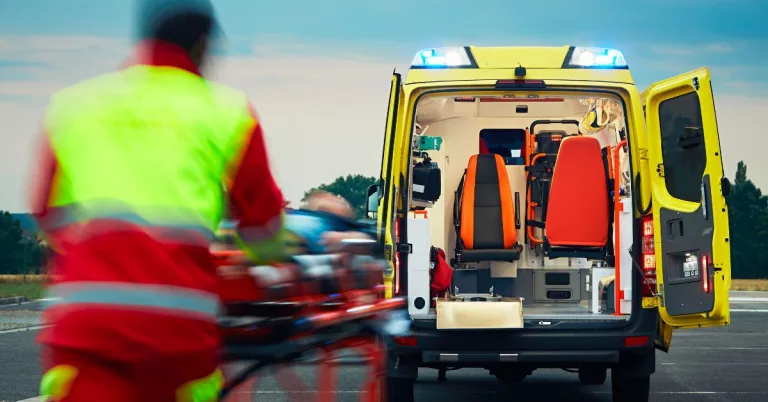
A medical emergency can happen at any time, and when it does, acting quickly can make the difference between a full recovery and a life-threatening situation. Recognizing the warning signs that require immediate medical attention—and knowing when to call emergency services—can help save a life.
Not every illness or injury requires emergency care, but some symptoms should never be ignored. Chest pain, difficulty breathing, loss of consciousness, or signs of a stroke require immediate evaluation because delaying treatment can lead to serious complications or permanent damage.
At BlueNetHospitals, our 24/7 Emergency Department is staffed by experienced emergency physicians, nurses, and trauma specialists who provide immediate care for residents and visitors throughout Los Cabos. Whether you're experiencing a medical emergency or a serious injury, our team is ready to respond quickly with advanced emergency care.
What Is a Medical Emergency?A medical emergency is any illness, injury, or sudden medical condition that threatens a person's life, a vital organ, or an essential body function and requires immediate medical attention.
In these situations, every minute matters. Prompt evaluation and treatment can significantly reduce complications, improve outcomes, and, in many cases, save lives.
Medical emergencies may result from heart disease, stroke, severe infections, respiratory distress, traumatic injuries, allergic reactions, or other acute conditions. Regardless of the cause, recognizing the symptoms early and seeking emergency care without delay is critical.
Warning Signs That Require Immediate Medical AttentionChest Pain or Pressure
Chest pain is one of the most common reasons people visit the emergency room—and it should never be ignored.
It may feel like pressure, tightness, squeezing, burning, or heaviness in the center of the chest. The discomfort can also spread to the left arm, both arms, shoulders, neck, jaw, or back.
Seek emergency medical care immediately if chest pain is accompanied by:- Shortness of breath
- Cold sweats
- Nausea or vomiting
- DizzinessLoss of consciousness
Difficulty Breathing
Severe shortness of breath or difficulty breathing is always a medical emergency.
Possible causes include:- Asthma attack
- Pneumonia
- Pulmonary embolism
- Heart failure
- Severe allergic reaction (anaphylaxis)
Signs of a Stroke
A stroke is a time-sensitive medical emergency. Early treatment greatly improves the chances of recovery.
Remember the FAST warning signs:
- F – Face: One side of the face droops A – Arms: One arm becomes weak or numb
- S – Speech: Speech is slurred or difficult to understand
- T – Time: Call emergency services immediately
Other symptoms may include sudden vision loss, severe headache, confusion, dizziness, or difficulty walking.
Loss of ConsciousnessAnyone who suddenly loses consciousness should receive immediate medical evaluation.
Call emergency services immediately if the person:
- Does not wake up
- Has difficulty breathing
- Is difficult to arouse
- Does not quickly regain normal awareness
Heavy bleeding can become life-threatening within minutes.
Seek emergency care if:
- Bleeding does not stop after applying firm pressure
- Blood is spurting or flowing heavily
- There is significant blood loss
- The injury involves a major artery or severe trauma
While waiting for help, apply direct pressure to the wound using a clean cloth whenever possible
SeizuresCall emergency services if:
- It is the person's first seizure
- The seizure lasts longer than five minutes
- Multiple seizures occur without recovery
- The seizure happens during pregnancy
- The person has difficulty breathing afterward
Emergency evaluation is recommended after:
- Major motor vehicle accidents
- Falls from significant heights
- Head injuries
- Neck or spinal injuries
- Suspected fractures with deformity or exposed bone
Avoid moving the injured person if a spinal injury is suspected unless there is immediate danger.
Severe Allergic ReactionsAnaphylaxis is a life-threatening allergic reaction that requires immediate treatment.
Warning signs include:
- Difficulty breathing
- Swelling of the lips, tongue, or throat
- Widespread hives
- Severe dizziness
- Loss of consciousness
Immediate treatment can be lifesaving.
Severe Abdominal PainSudden, severe abdominal pain should never be ignored.
It may be caused by conditions such as:
- Appendicitis.
- Pancreatitis.
- Gallbladder disease.
- Intestinal obstruction.
- Perforated intestine.
- Ectopic pregnancy.
Seek emergency medical care if abdominal pain is severe, persistent, or associated with fever, repeated vomiting, fainting, or a rigid abdomen.
When Should You Call an Ambulance?Calling an ambulance ensures that trained medical professionals begin treatment before arriving at the hospital.
Call emergency medical services if:
- The person's life appears to be in danger
- Breathing is difficult or stops
- You suspect a heart attack or stroke
- The person is unconscious
- Serious injuries make transportation unsafe
- Symptoms are rapidly worsening
If you're unsure whether the situation is an emergency, it's always safer to call for professional guidance.
What Should You Do While Waiting for the Ambulance?While emergency responders are on the way:
- Stay calm.
- Remain with the patient.
- Follow the dispatcher's instructions.
- Do not give medications unless instructed.
- Provide first aid only if you are trained and it is safe to do so.
- If the person stops breathing and you are CPR-certified, begin cardiopulmonary resuscitation (CPR)
Early intervention can significantly improve survival.
Information to Provide When Calling Emergency ServicesWhen calling emergency responders, be prepared to provide
- The exact location.
- What happened.
- The patient's approximate age.
- The main symptoms.
- Whether the person is conscious and breathing.
- The number of injured people, if applicable
Providing accurate information helps emergency teams prepare before arrival.
Mistakes to Avoid During a Medical EmergencyDuring an emergency, avoid actions that could delay treatment or worsen the patient's condition
Common mistakes include
- Waiting to see if symptoms improve on their own
- Self-medicating
- Transporting someone with a serious injury without proper support
- Giving food or drinks to an unconscious person
- Delaying the emergency call because you're unsur
When in doubt, seek emergency medical assistance immediately.
When Should You Go to the Emergency Department?Our Emergency Department is equipped to treat conditions including
- Chest pain
- Difficulty breathing
- Major injuries
- Fractures
- Head trauma
- Seizures
- Severe burns
- Heavy bleeding
- Severe allergic reactions
- Serious infections accompanied by high fever or rapid deterioratio
Our emergency team is available 24 hours a day, 365 days a year to provide immediate medical care.
Emergency Medical Care in Los CabosAt BlueNetHospitals, our Emergency Department delivers comprehensive emergency care around the clock with experienced physicians, advanced diagnostic technology, fully equipped ambulances, and multidisciplinary support
We proudly provide emergency medical services for both Los Cabos residents and visitors, delivering fast, compassionate, and high-quality care when every second counts.
📲 Need Immediate Medical Attention
If you or someone around you is experiencing a medical emergency, do not wait for symptoms to worsen.
BlueNetHospitals Emergency Department & Ambulance Service
Save this number. In a medical emergency, fast action can save a life.
📲 Schedule a Consultation with an Internal Medicine SpecialistMany patients benefit from follow-up care after an emergency to identify the underlying cause of their condition, manage chronic illnesses, and reduce the risk of future medical events
At BlueNetHospitals, our Internal Medicine specialists provide comprehensive evaluations and personalized treatment plans to help you protect your long-term health.
Schedule your medical evaluation in Los Cabo
Receive expert, compassionate care from a team committed to your health and well-being.
Frequently Asked Questions1. What is considered a medical emergency?
A medical emergency is any illness or injury that poses an immediate threat to life, a vital organ, or an essential body function and requires immediate medical attention.
2. Should I call emergency services if I'm not sure it's an emergency?
Yes. If you believe someone's life may be at risk or symptoms appear severe, it's always safest to call emergency medical services. Acting early can save valuable time.
3. What are the warning signs of a heart attack?
Chest pain or pressure, shortness of breath, cold sweats, nausea, dizziness, and pain that spreads to the arm, neck, jaw, shoulder, or back are common warning signs that require immediate medical care.
4. How can I recognize a stroke
Use the FAST method
- Face: One side of the face droops.
- Arms: One arm is weak or numb.
- Speech: Speech becomes slurred or difficult.
- Time: Call emergency services immediately.
Call emergency services immediately, check whether the person is breathing, and follow the dispatcher's instructions. If you're trained in CPR and the person is not breathing, begin chest compressions until help arrives.
6. Should I drive someone to the hospital instead of calling an ambulance?
Not always. If the person has chest pain, difficulty breathing, severe trauma, loss of consciousness, or signs of a stroke, calling an ambulance is the safest option because medical care begins during transport.
7. What information should I have ready when calling emergency services
Be prepared to provide your exact location, what happened, the patient's symptoms, whether they are conscious and breathing, and a callback phone number.





Trending Topics
Stroke: Symptoms, Causes & Treatment
Learn how to recognize stroke symptoms, understand its causes, and why emergency treatment can save brain function and lives.
Varicocele
Symptoms, Causes, Diagnosis, and Treatment to Protect Men's Health
Pregnancy infections (TORCH)
Risks, testing, and prevention
Anemia in Women of Reproductive Age
Symptoms, Causes, and Prevention
Health Library
Internal Medicine
- Do You Need an Appointment with a Specialist?
- call us
- write us
- let's talk

