
Ebola Symptoms, Transmission, Treatment, and When to See a Doctor
Learn how Ebola spreads, recognize its symptoms, explore current treatment options, and understand when to seek care from an infectious disease specialist.
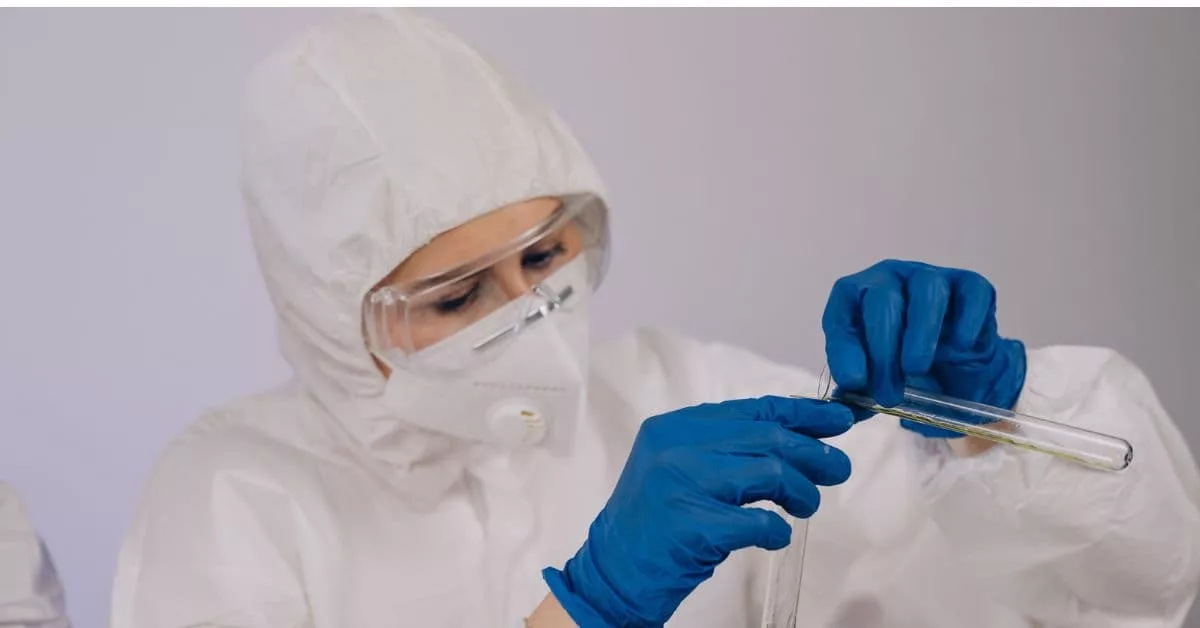
Ebola is a rare but serious viral disease that has caused some of the most significant infectious disease outbreaks in recent history. While most cases have occurred in certain regions of Africa, its global impact has led to major advances in surveillance, vaccination, and treatment strategies that allow healthcare professionals to respond more effectively than ever before.
For travelers and individuals who want to stay informed about emerging infectious diseases, understanding how Ebola spreads, recognizing its symptoms, and knowing when to seek medical attention are essential steps in protecting your health.
What Is Ebola?Ebola is a severe illness caused by the Ebola virus, a member of the Filoviridae family. The virus was first identified in 1976 near the Ebola River in Central Africa.
The disease can range from flu-like symptoms in its early stages to life-threatening complications, including severe dehydration, blood clotting abnormalities, and multi-organ failure.
According to leading health organizations and medical institutions, early diagnosis and prompt medical care have significantly improved survival rates compared to previous outbreaks.
How Is Ebola Transmitted?
One of the most common questions people ask is whether Ebola is airborne. The answer is no.
The Ebola virus spreads through direct contact with:
- Blood from an infected person.
- Bodily fluids such as saliva, sweat, urine, vomit, or feces.
- Contaminated objects, including needles and medical equipment.
- Tissues or bodily fluids from infected animals.
Transmission is most likely to occur when an infected person is actively showing symptoms. This is why early detection and proper isolation measures are critical in preventing the spread of the virus.
Ebola SymptomsSymptoms typically develop between 2 and 21 days after exposure to the virus.
Early SymptomsDuring the initial stage, individuals may experience:
- High fever.
- Severe fatigue.
- Muscle pain.
- Headache.
- Sore throat.
- Chills.
- General discomfort and weakness.
As the disease progresses, symptoms may include:
- Nausea and vomiting.
- Severe diarrhea.
- Abdominal pain.
- Dehydration.
- Liver and kidney dysfunction.
- Internal or external bleeding in some cases.
It is important to note that not every patient develops hemorrhagic symptoms, even though Ebola has historically been associated with viral hemorrhagic fever.
How Dangerous Is Ebola?Ebola can become a medical emergency if not treated promptly.
However, the situation today is very different from the early outbreaks. Advances in critical care medicine, approved therapies, and international response protocols have significantly improved patient outcomes.
Early diagnosis and specialized medical care remain the most important factors for survival.
How Is Ebola Diagnosed?When Ebola infection is suspected, healthcare providers perform a comprehensive evaluation that may include:
- Recent travel history.
- Assessment of potential exposure risks.
- Physical examination and symptom review.
- Laboratory tests specifically designed to detect the virus.
Accurate diagnosis is particularly important because early Ebola symptoms can resemble those of other infectious diseases such as malaria, dengue fever, typhoid fever, or influenza.
Ebola Treatment: Current OptionsToday, there are approved treatments available for certain strains of the Ebola virus, in addition to advanced supportive medical care.
Treatment may include:
- Intravenous fluids for hydration.
- Electrolyte replacement.
- Oxygen therapy.
- Blood pressure support.
- Management of secondary infections.
- Monoclonal antibody therapies when appropriate.
Receiving medical care as early as possible can significantly improve the chances of recovery.
Which Specialist Treats Ebola?The medical specialist primarily responsible for diagnosing and treating Ebola is an Infectious Disease Specialist.
Depending on the severity of the illness, care may also involve:
- Internal Medicine physicians.
- Emergency Medicine specialists.
- Critical Care and Intensive Care Unit (ICU) teams.
- Public Health and Epidemiology experts.
Patients with symptoms suggestive of Ebola or a history of potential exposure should be evaluated by a healthcare professional experienced in infectious diseases.
Current Ebola Situation in Mexico and the United StatesAt present, there are no active Ebola outbreaks in Mexico. Health authorities continue to maintain surveillance systems and international coordination to identify potential imported cases.
In the United States and other countries with significant international travel, hospitals follow strict protocols for the identification, isolation, and management of suspected Ebola cases.
In international destinations such as Los Cabos, where visitors arrive from around the world, public health monitoring and preventive medical care remain important priorities.
How Can Ebola Be Prevented?Although the risk to the general public remains low, several measures can help reduce exposure:
- Wash your hands frequently.
- Avoid contact with bodily fluids from sick individuals.
- Follow public health recommendations when traveling internationally.
- Seek medical evaluation if symptoms develop after visiting high-risk regions.
- Stay informed through trusted health authorities.
You should seek immediate medical evaluation if:
- You develop a high fever after traveling to a region with active Ebola transmission.
- You have had close contact with a person diagnosed with Ebola.
- You experience severe symptoms accompanied by extreme weakness.
- You show signs of dehydration or unexplained bleeding.
Early evaluation allows healthcare professionals to quickly identify potential risks and begin appropriate treatment if necessary.
Specialized Medical Care in Los CabosIf you need a medical evaluation, preventive care, or consultation with an infectious disease specialist, the medical team at BlueNet Hospitals is available to provide expert care.
📲 Schedule your medical evaluation in Los Cabos:
+52 (624) 151 0693
Our team includes specialists in Infectious Diseases, Internal Medicine, and hospital-based care for the timely diagnosis and management of infectious conditions.
Frequently Asked Questions About Ebola1. What is Ebola?
Ebola is a serious viral disease caused by the Ebola virus that can lead to fever, gastrointestinal symptoms, and severe systemic complications.
2. How is Ebola transmitted?Ebola spreads through direct contact with blood, bodily fluids, or contaminated objects from an infected person.
3. Is Ebola airborne?No. Ebola is not considered an airborne disease like influenza or COVID-19.
4. How long does it take for Ebola symptoms to appear?The incubation period typically ranges from 2 to 21 days after exposure to the virus.
5. What are the first symptoms of Ebola?Common early symptoms include high fever, severe fatigue, muscle aches, headache, and general weakness.
6. Is there treatment for Ebola?Yes. Modern supportive care and approved therapies for certain Ebola virus strains can significantly improve patient outcomes.
7. Is there a vaccine for Ebola?Yes. Vaccines are available for specific Ebola virus species and are primarily used in outbreak response and prevention programs.
8. Are there Ebola cases in Mexico?There are currently no active Ebola outbreaks in Mexico. Health authorities continue to maintain preventive surveillance measures.
9. What type of doctor treats Ebola?An Infectious Disease Specialist is the healthcare professional most qualified to diagnose and manage Ebola and other serious infectious diseases.
10. Can people recover from Ebola?Yes. With early diagnosis, specialized medical care, and appropriate treatment, many patients can recover successfully from Ebola.






Trending Topics
Stroke: Symptoms, Causes & Treatment
Learn how to recognize stroke symptoms, understand its causes, and why emergency treatment can save brain function and lives.
Varicocele
Symptoms, Causes, Diagnosis, and Treatment to Protect Men's Health
Pregnancy infections (TORCH)
Risks, testing, and prevention
Anemia in Women of Reproductive Age
Symptoms, Causes, and Prevention
Health Library
Internal Medicine
- Do You Need an Appointment with a Specialist?
- call us
- write us
- let's talk

