
Beach Umbrella vs. Sunscreen: What's the Best Sun Protection?
Learn whether a beach umbrella or sunscreen offers better UV protection and how to prevent sunburn and skin cancer in Los Cabos.
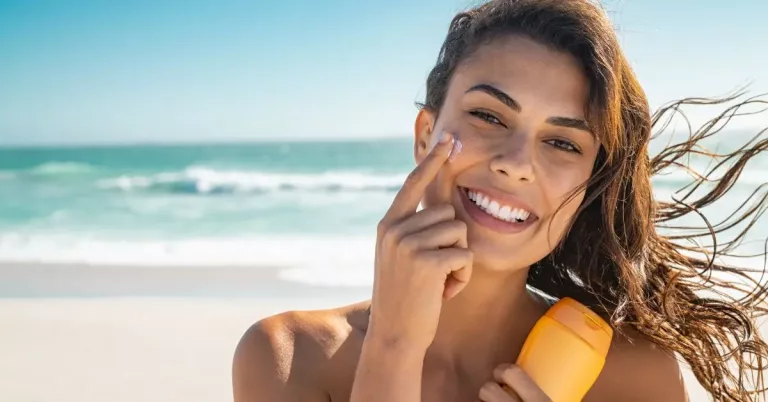
A day at the beach is one of the best ways to relax, spend time with family, and enjoy the outdoors. However, it also means increased exposure to ultraviolet (UV) radiation, one of the leading causes of sunburn, premature skin aging, and skin cancer.
Many people believe sitting under a beach umbrella provides enough protection, while others rely only on sunscreen. So which one offers better protection?
The answer is simple: you don't have to choose between them. The most effective way to protect your skin is to combine multiple sun protection strategies.
According to current recommendations from leading health organizations and dermatology experts, using broad-spectrum sunscreen, seeking shade, wearing UV-protective clothing, and limiting sun exposure during peak hours provides the best defense against harmful UV rays.
Neither a beach umbrella nor sunscreen alone provides complete protection from the sun.
A beach umbrella helps reduce direct sun exposure but cannot block all ultraviolet radiation. Likewise, sunscreen significantly reduces UV damage but must be applied correctly and reapplied regularly.
The safest approach is to combine:
- Broad-spectrum sunscreen (SPF 30 or higher)
- Shade from a beach umbrella or shelter
- UV-protective clothing
- A wide-brimmed hat
- UV-blocking sunglasses
- Avoiding prolonged sun exposure during peak UV hours
Not completely.
While a beach umbrella reduces direct sunlight, ultraviolet rays can still reach your skin indirectly.
UV radiation reflects off surfaces such as:
- Sand
- Water
- Concrete
- Rocks
- Light-colored surfaces
As a result, your skin may still receive a significant amount of UV exposure even while sitting in the shade.
Clinical studies have shown that people relying only on a beach umbrella may still develop sunburn after several hours outdoors.
For this reason, shade should be viewed as one part of a comprehensive sun protection plan—not the only one.
Is Sunscreen More Effective?Yes—but only when used correctly.
Sunscreen creates a protective barrier that helps reduce the amount of ultraviolet radiation reaching the skin.
However, no sunscreen blocks 100% of UV rays, which is why it should always be combined with other protective measures.
Experts recommend choosing a sunscreen that is:
- Broad-spectrum (protects against both UVA and UVB rays)
- SPF 30 or higher
- Water-resistant when swimming or participating in water activities
Ultraviolet radiation consists primarily of two types of rays.
UVA RaysThese penetrate deeper into the skin and contribute to:
- Premature skin aging
- Wrinkles
- Dark spots
- Collagen damage
- Increased skin cancer risk
These are mainly responsible for:
- Sunburn
- Skin inflammation
- DNA damage
- Most UV-related skin cancers
A broad-spectrum sunscreen protects against both UVA and UVB rays, providing more complete protection.
How to Apply Sunscreen CorrectlyEven the best sunscreen won't work properly if it's applied incorrectly.
For optimal protection:
- Apply sunscreen 15 to 30 minutes before going outdoors.
- Cover all exposed skin, including the ears, neck, tops of the feet, and scalp if necessary.
- Apply a generous amount to all exposed areas.
- Reapply every two hours.
- Reapply immediately after swimming, excessive sweating, or towel drying.
Using too little sunscreen significantly reduces its effectiveness.
What's the Best Sun Protection at the Beach?Current scientific evidence shows that combining several protective measures is far more effective than relying on just one.
For the best protection:
- Use broad-spectrum sunscreen.
- Stay under a beach umbrella or seek shade whenever possible.
- Wear a wide-brimmed hat.
- Use UV-protective sunglasses.
- Choose clothing with UPF (Ultraviolet Protection Factor).
- Avoid prolonged sun exposure between 10:00 a.m. and 4:00 p.m., when UV radiation is typically strongest.
Together, these strategies help reduce cumulative sun damage and lower the risk of skin cancer.
Why Is Sun Protection Especially Important in Los Cabos?Los Cabos experiences high UV levels throughout most of the year.
Several environmental factors increase UV exposure, including:
- Intense sunshine.
- Reflection from the ocean.
- Bright sandy beaches.
- Outdoor recreational activities.
- Warm weather year-round.
Whether you're visiting or living in Los Cabos, protecting your skin should be part of your daily routine—not just something you do on vacation.
Common Sun Protection MistakesMany sunburns happen because of preventable mistakes.
The most common include:
- Applying sunscreen only once a day.
- Waiting until arriving at the beach to apply it.
- Forgetting to reapply after swimming.
- Assuming a beach umbrella blocks all UV rays.
- Missing commonly overlooked areas such as the ears, neck, scalp, or feet.
- Believing cloudy days eliminate UV exposure.
Correcting these habits greatly improves your level of protection.
Who Is at Greater Risk of Sun Damage?Everyone benefits from sun protection, but certain groups are more vulnerable, including:
- People with fair skin.
- Children and older adults.
- Individuals with a personal or family history of skin cancer.
- People with weakened immune systems.
- Those taking medications that increase sun sensitivity.
- Outdoor workers and athletes.
These individuals should take extra precautions whenever spending time outdoors.
When Should You See a Doctor?Schedule a medical evaluation if you experience:
- Severe sunburn.
- Large blisters.
- Fever after sun exposure.
- Persistent pain.
- Dizziness or signs of dehydration.
- Moles or skin spots that change in size, shape, or color.
- Skin lesions that do not heal.
Early evaluation can help identify skin conditions before they become more serious.
Protect Your Skin Every DayUltraviolet radiation is present throughout the year—even on cloudy days.
Making sun protection part of your daily routine helps prevent:
- Sunburn.
- Premature skin aging.
- Sunspots.
- Long-term skin damage.
- Skin cancer.
Protecting your skin today helps preserve your health for years to come.
Internal Medicine Care in Los CabosAt BlueNetHospitals, our Internal Medicine specialists provide comprehensive care for sun-related health concerns and help patients reduce their risk of preventable skin damage through personalized medical guidance.
📲 Schedule Your Medical Evaluation in Los CabosIf you've experienced severe sunburn, notice changes in your skin, or have questions about protecting yourself from UV exposure, our medical team is here to help.
WhatsApp: +52 (624) 151 0693
Receive expert, compassionate care tailored to your health and lifestyle.
1. Is a beach umbrella enough to protect me from the sun?
No. A beach umbrella reduces direct sunlight but does not block all ultraviolet radiation. Combining shade with sunscreen provides better protection.
2. What SPF should I use at the beach?Most experts recommend using a broad-spectrum sunscreen with SPF 30 or higher. People with fair skin or prolonged sun exposure may benefit from SPF 50 or higher.
3. How often should I reapply sunscreen?Reapply sunscreen every two hours, and immediately after swimming, heavy sweating, or towel drying.
4. Can I still get sunburn under a beach umbrella?Yes. UV rays can reflect off sand, water, and other surfaces, reaching your skin even when you're sitting in the shade.
5. Do I need sunscreen on cloudy days?Yes. A significant amount of UV radiation penetrates clouds, so sunscreen should be worn even when it's overcast.
6. Can UV-protective clothing replace sunscreen?No. UV-protective clothing provides excellent additional protection, but sunscreen should still be applied to all exposed skin.
7. How can I lower my risk of skin cancer?Use sunscreen daily, seek shade, wear protective clothing and sunglasses, avoid excessive sun exposure during peak UV hours, and have your skin evaluated if you notice any unusual changes.






Trending Topics
Stroke: Symptoms, Causes & Treatment
Learn how to recognize stroke symptoms, understand its causes, and why emergency treatment can save brain function and lives.
Varicocele
Symptoms, Causes, Diagnosis, and Treatment to Protect Men's Health
Pregnancy infections (TORCH)
Risks, testing, and prevention
Anemia in Women of Reproductive Age
Symptoms, Causes, and Prevention
Health Library
Internal Medicine
- Do You Need an Appointment with a Specialist?
- call us
- write us
- let's talk

