
Types of Diabetes: Causes & Risk Factors
Symptoms, Differences, Risk Factors, and How to Prevent Complications
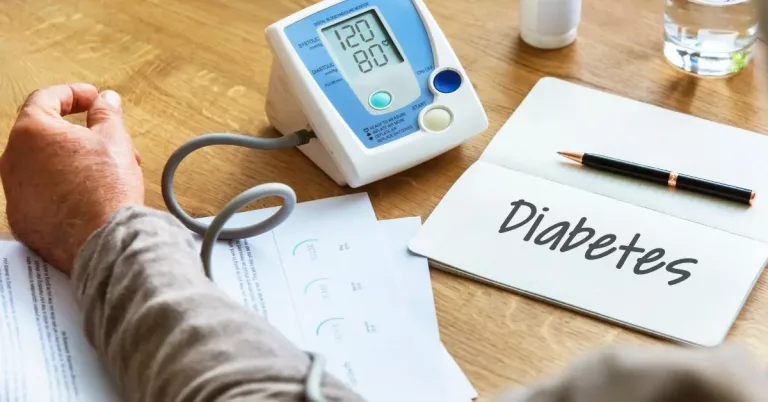
Diabetes mellitus is a group of chronic diseases characterized by high levels of glucose, or sugar, in the blood. It may occur because the body stops producing insulin, produces too little, or does not respond properly to this hormone.
Insulin is made by the pancreas and allows glucose to enter the cells, where it is used for energy. When this process does not work correctly, glucose builds up in the bloodstream.
Over time, high blood glucose can affect the heart, blood vessels, kidneys, eyes, nerves, and feet. Detecting diabetes early and receiving regular medical care can reduce the risk of complications and support a better quality of life.
What Are the Symptoms of Diabetes?Symptoms depend on the type of diabetes and how high the blood glucose is. Type 1 diabetes symptoms may appear quickly, while type 2 diabetes often develops gradually.
Common warning signs include:
- Excessive thirst
- Frequent urination
- Constant hunger
- Fatigue or weakness
- Blurred vision
- Wounds that heal slowly
- Frequent infections
- Tingling or numbness in the hands or feet
- Unexplained weight loss
- Mood changes or irritability
Type 2 diabetes can progress for years without causing noticeable symptoms. Some people discover the condition during routine blood work or after a complication has developed.
Do not wait until you feel unwell to have your blood glucose checked if you have risk factors.
Types of DiabetesType 1 Diabetes
Type 1 diabetes is an autoimmune disease. The immune system destroys the pancreatic beta cells that produce insulin.
It is more commonly diagnosed in children, teenagers, and young adults, but it can develop at any age. People with type 1 diabetes need insulin every day to manage their blood glucose and stay alive.
Symptoms often develop rapidly and may include severe thirst, frequent urination, unexplained weight loss, fatigue, nausea, vomiting, or abdominal pain.
Type 2 DiabetesType 2 diabetes is the most common form. It occurs when the body develops insulin resistance and, over time, the pancreas cannot produce enough insulin to maintain healthy blood glucose levels.
It is a multifactorial disease. Contributing factors may include:
- Family history
- Overweight or obesity
- Excess abdominal fat
- Physical inactivity
- Age
- Prediabetes
- Previous gestational diabetes
- Polycystic ovary syndrome
- High blood pressure
- Abnormal cholesterol levels
- Genetic, social, and environmental factors
Type 2 diabetes can also occur in people with a healthy weight and during childhood.
Treatment may include healthy eating, physical activity, diabetes education, oral or injectable medication, and sometimes insulin. Needing insulin does not mean the patient has failed.
Gestational DiabetesGestational diabetes is diagnosed during pregnancy in someone who did not previously have known diabetes. It usually develops around the 24th week, so testing commonly takes place between weeks 24 and 28.
Patients with risk factors may need earlier testing. High blood glucose at the beginning of pregnancy may indicate previously undiagnosed type 1 or type 2 diabetes rather than gestational diabetes.
Gestational diabetes usually improves after delivery, but it increases the mother’s future risk of type 2 diabetes. It is also associated with a higher risk of obesity and type 2 diabetes for the child later in life.
After delivery, the patient should:
- Have a diabetes test between 4 and 12 weeks postpartum.
- Repeat testing every 1 to 3 years, even if the first result is normal.
- Continue medical follow-up and maintain healthy habits.
Good blood glucose management during pregnancy can reduce risks for both mother and baby.
Other Types of Diabetes
Less common forms may be caused by:
- Genetic conditions, such as monogenic diabetes
- Diseases or injuries affecting the pancreas
- Cystic fibrosis
- Endocrine disorders
- Certain medications, including some corticosteroids
- Other specific medical conditions
Correctly identifying the type of diabetes is important because treatment may differ.
What Is Prediabetes?Prediabetes occurs when blood glucose is higher than normal but has not yet reached the diagnostic range for diabetes.
It usually causes no symptoms. However, it increases the risk of type 2 diabetes, cardiovascular disease, and stroke.
Normal blood glucose ranges- A1C: below 5.7%
- Fasting plasma glucose: below 100 mg/dL
- Two-hour oral glucose tolerance test: below 140 mg/dL
- A1C: 5.7% to 6.4%
- Fasting plasma glucose: 100 to 125 mg/dL
- Two-hour oral glucose tolerance test: 140 to 199 mg/dL
- A1C: 6.5% or higher
- Fasting plasma glucose: 126 mg/dL or higher
- Two-hour oral glucose tolerance test: 200 mg/dL or higher
Prediabetes does not inevitably progress to diabetes. Healthy eating, physical activity, weight management, and medical follow-up may prevent or delay type 2 diabetes.
How Is Diabetes Diagnosed?Diabetes is diagnosed through laboratory testing. A home glucose meter is helpful for monitoring blood sugar, but it should not be used by itself to establish a diagnosis.
In people who are not pregnant, any of the following results may be consistent with diabetes:
- A1C of 6.5% or higher
- Fasting plasma glucose of 126 mg/dL or higher
- Two-hour plasma glucose of 200 mg/dL or higher during an oral glucose tolerance test
- Random plasma glucose of 200 mg/dL or higher with classic symptoms or a hyperglycemic crisis
Unless the person has classic symptoms with clearly elevated glucose or a hyperglycemic crisis, the result usually needs to be confirmed with a second test.
The A1C test reflects average blood glucose over approximately the previous three months. It may be less reliable during pregnancy or in people with anemia, kidney disease, recent bleeding, or certain hemoglobin conditions.
A physician will determine which test is appropriate.
Who Should Be Tested for Diabetes?
As an international clinical reference, diabetes screening is recommended for all adults beginning at age 35, even when they do not have symptoms.
Earlier testing may be appropriate for adults with overweight or obesity and at least one additional risk factor, such as:
- A parent or sibling with diabetes
- High blood pressure
- Abnormal cholesterol or triglyceride levels
- Physical inactivity
- Prediabetes
- Previous gestational diabetes
- Polycystic ovary syndrome
- Cardiovascular disease
- Excess abdominal fat
- Obstructive sleep apnea
- Belonging to a population with increased risk, including Hispanic or Latino populations
Children and teenagers with overweight or obesity and additional risk factors may also need testing.
When results are normal, screening is generally repeated at least every three years. A doctor may recommend earlier testing based on individual risk.
How Is Diabetes Treated?Treatment depends on the type of diabetes, blood glucose levels, age, related medical conditions, and the patient’s preferences.
It may include the following components.
Personalized NutritionThere is no single diet for every person with diabetes. A treatment plan should consider schedules, food preferences, culture, budget, medication, and health goals.
A healthy eating pattern generally prioritizes:
- Vegetables
- Beans and other legumes
- Whole grains
- Healthy protein sources
- Unsaturated fats
- Appropriate portion sizes
- Water instead of sugar-sweetened drinks
People with diabetes do not necessarily need to eliminate all carbohydrates. The type, amount, and distribution of carbohydrates are more important.
Physical ActivityPhysical activity can improve insulin sensitivity, glucose management, blood pressure, and cardiovascular health.
The type and intensity should be adapted to the patient’s health. People with cardiovascular disease, neuropathy, foot problems, retinopathy, or other complications should speak with their healthcare team before beginning a strenuous program.
MedicationType 2 diabetes may be treated with oral or injectable medication. Current treatment decisions are not based only on glucose levels. The physician also considers cardiovascular disease, heart failure, kidney disease, weight, risk of hypoglycemia, cost, and patient preferences.
Some people need more than one medication. Others may require insulin temporarily or permanently.
Do not stop or change diabetes medication without medical guidance.
InsulinInsulin is essential for people with type 1 diabetes. It may also be used for type 2 diabetes, gestational diabetes, and other medical situations.
The dose must be individualized and accompanied by education to reduce the risk of high or low blood glucose.
Glucose MonitoringSome patients use a glucose meter, while others may benefit from a continuous glucose monitor. How often glucose should be checked depends on the type of diabetes and treatment.
The healthcare team should explain:
- When to check glucose
- What range is expected
- What to do when the reading is high or low
- When to seek help
For many nonpregnant adults, an A1C below 7% is commonly used as a reference. However, the target should always be personalized.
Goals may differ for:
- Children and teenagers
- Older adults
- Pregnant patients
- People at high risk of hypoglycemia
- Patients with kidney or cardiovascular disease
- People with several chronic conditions
Comprehensive diabetes care also includes managing blood pressure, cholesterol, weight, and tobacco use.
Diabetes ComplicationsBlood glucose that remains high over time may contribute to:
- Heart attack and stroke
- Chronic kidney disease
- Retinal damage and vision loss
- Neuropathy
- Foot ulcers and infections
- Dental and gum disease
- Sexual or urinary problems
- Fatty liver disease
- Increased risk of infection
Regular follow-up may include:
- Eye examinations
- Kidney function and urine tests
- Foot and sensation checks
- Blood pressure monitoring
- Cholesterol and triglyceride testing
- Dental care
- Recommended vaccines
- Cardiovascular risk assessment
Detecting complications early allows treatment to begin before they progress.
When Is Diabetes an Emergency?Seek immediate medical care for:
- Rapid or unusually deep breathing
- Persistent nausea and vomiting
- Abdominal pain
- Fruity-smelling breath
- Confusion or extreme drowsiness
- Severe dehydration
- Difficulty breathing
- Loss of consciousness
- Seizures
- Very high glucose accompanied by worsening overall health
These symptoms may indicate diabetic ketoacidosis or a hyperosmolar hyperglycemic state.
Severe hypoglycemia is also an emergency. It may cause confusion, unusual behavior, inability to swallow, seizures, or loss of consciousness.
Can Diabetes Be Prevented?The answer depends on the type.
Type 1 DiabetesType 1 diabetes cannot currently be prevented through diet or exercise. People with close relatives who have type 1 diabetes may ask about autoantibody screening programs and options available at specialized centers.
Type 2 DiabetesType 2 diabetes may be prevented or delayed in many people through:
- Healthy eating
- Regular physical activity
- Losing 5% to 7% of starting weight when appropriate
- Adequate sleep
- Blood pressure and cholesterol management
- Avoiding tobacco
- Medical follow-up for prediabetes
Gestational diabetes cannot always be prevented. Prenatal care and testing at the appropriate time help identify and treat it early.
Diabetes Diagnosis and Treatment in Los CabosIf you live in Los Cabos and have a family history of diabetes, prediabetes, previous gestational diabetes, overweight, or possible symptoms, an Endocrinology evaluation can help assess your blood glucose and metabolic risk.
The climate in Los Cabos may also increase the risk of dehydration. People with diabetes should drink enough fluids, store insulin correctly, and monitor their glucose more closely during illness or exposure to high temperatures.
Do not wait for a complication. A laboratory test can identify diabetes even when there are no symptoms.
Schedule an Endocrinology Appointment in Los CabosAre you experiencing excessive thirst, frequent urination, fatigue, or concerns about your family history? Our specialists can evaluate your glucose, identify risk factors, and create a personalized treatment plan.
Schedule an appointment with our Endocrinology specialists in Los Cabos via WhatsApp:
📲 +52 (624) 151 0693
If you have persistent vomiting, deep or rapid breathing, confusion, fainting, or rapid deterioration, go directly to the Emergency Department.
Frequently Asked Questions1. What is diabetes mellitus?
It is a group of chronic diseases in which blood glucose remains elevated because the body does not produce insulin, produces too little, or does not use it effectively.
2. What are the most common symptoms?Excessive thirst, frequent urination, constant hunger, fatigue, blurred vision, slow-healing wounds, and unexplained weight loss. Type 2 diabetes may also cause no symptoms.
3. How is diabetes diagnosed?It is diagnosed through laboratory tests such as A1C, fasting plasma glucose, or an oral glucose tolerance test. A home glucose meter cannot confirm the diagnosis by itself.
4. What is the difference between type 1 and type 2 diabetes?Type 1 is an autoimmune disease that destroys the cells that produce insulin. Type 2 combines insulin resistance with insufficient insulin production and has multiple contributing factors.
5. What is prediabetes?Prediabetes means blood glucose is above normal but has not reached the diabetes range. It increases the risk of type 2 diabetes, but progression can often be prevented or delayed.
6. Can a thin person develop type 2 diabetes?Yes. Although excess weight increases the risk, genetics, age, fat distribution, and other factors also contribute.
7. Can type 2 diabetes be cured?Type 2 diabetes is considered a chronic disease. Some people may achieve remission, meaning their glucose remains below the diabetes range without medication for a period. Continued follow-up is necessary because the condition can return.
8. Does starting insulin mean the treatment failed?No. Diabetes can change over time. Insulin is an effective and necessary treatment when the body cannot produce enough.
9. What should happen after gestational diabetes?Blood glucose should be tested 4 to 12 weeks after delivery and every 1 to 3 years afterward, even when the first postpartum result is normal.
10. When is high blood glucose an emergency?High glucose accompanied by vomiting, abdominal pain, deep breathing, dehydration, confusion, fainting, or worsening overall health requires immediate medical attention.





-1200.webp?q=AAn7Q8lmUHrEFDYr)

Trending Topics
Stroke: Symptoms, Causes & Treatment
Learn how to recognize stroke symptoms, understand its causes, and why emergency treatment can save brain function and lives.
Varicocele
Symptoms, Causes, Diagnosis, and Treatment to Protect Men's Health
Pregnancy infections (TORCH)
Risks, testing, and prevention
Anemia in Women of Reproductive Age
Symptoms, Causes, and Prevention
Health Library
Endocrinology
- ¿Necesitas una cita con un Especialista?
- llámanos
- escríbenos
- Conéctate

