
Spinal Cord Injury
How do Spinal Cord Injuries usually occur? Learn more about symptoms and diagnosis.
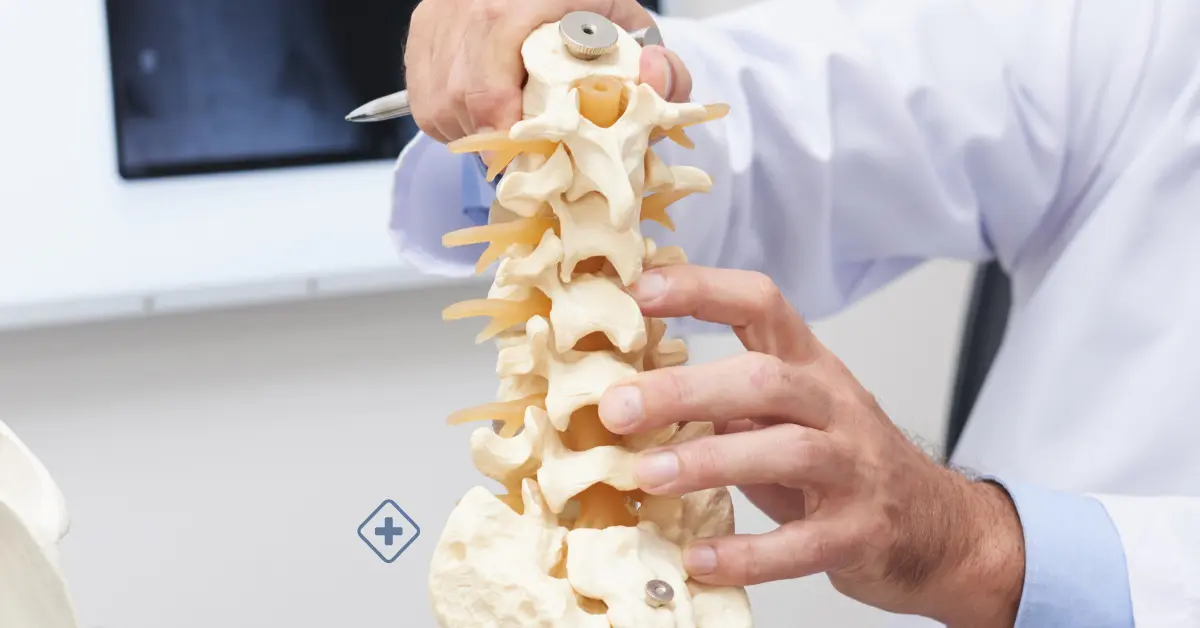
The spinal cord is a bundle of nerves that runs down the middle of the back and transmits signals between the body and the brain.
We're able to feel pain and move our bodies because of this communication.
A spinal cord injury is an injury to any section of the spinal cord that disrupts all the signals and communication between our body and our brain. Spinal cord injuries begin with a heavy impact that fractures or disjoints our vertebrae. Most injuries could cause damage when parts of vertebrae rip into cord membranes or push down on the nerves.
How do spinal cord Injuries normally occur?
-
Motor vehicle accidents
-
Falls
-
Acts of violence
-
Sports
-
Diseases such as Cancer, Arthritis or Osteoporosis
Symptoms of a spinal cord injury:
spinal cord Injuries could be complete or incomplete.
-
In complete spinal cord injury, all sense, and all ability to move are lost; the spine is paralyzed.
-
Incomplete spinal cord injury, you have some sensory function.
Your Health Care BlueNetHospitals Team, including the Neurosurgeon, will perform several tests to determine the neurological level of your injury.
Spinal cord injury symptoms
-
Loss of movement
-
Loss of the ability to feel the heat, cold, and touch
-
You can not control your bowel or bladder
-
Spasms
-
Severe pain caused by injury to the nerve fibers in your spinal cord
-
Difficulty breathing
-
Signs of shock
Diagnostics
In the emergency room, doctors can rule out a spinal cord injury with a physical exam to check sensory function and movement.
If you experience unconsciousness, neck pain, or show signs of nervous system weakness or injury, an emergency diagnostic test will likely be needed.
Following are some of these tests:
Treatment
Unfortunately, there is no way to reverse the damage done to the spinal cord. However, the scientific community is continuously developing new treatments, including prosthetics and medications, that promote the regeneration of nerve cells and improve nerve function after spinal injury.
A spinal cord injury is always a medical emergency. Immediate treatment may reduce long-term adverse effects. Treatments may include medications, braces to stabilize the spine, or surgery. Currently, the treatments available are focused on preventing future injuries, allowing people with spinal injuries to return to an active and productive life. The specialist who treats this condition is the Neurosurgeon.
In emergencies due to an accident, doctors in the emergency room will focus on:
-
Keep the patient breathing
-
Prevent a shock
-
Immobilize the neck to prevent further injury
-
Avoid possible complications, such as urine or stool retention, respiratory or cardiovascular difficulties, and clot formation in the extremities.
Living with spinal cord injury
By nature, a spinal cord injury has an impact on daily activities. When the diagnosis is first received, it can be overwhelming. However, as you learn more about the injury and treatment options, you will be amazed by all the many activities that can be performed.
Thanks to new technologies, treatments, and medical devices, people suffering from a spinal cord injury can play sports and do almost any regular activity.
When Should I Visit the Doctor?
It is vital to consult a Neurosurgeon specialist to accurately diagnose spinal cord injury, diagnose the level of damage, and evaluate possible treatments, including rehabilitation.
When consulting the Neurosurgeon, it is advisable to keep a record of the pain and discomfort the patient has and how long it has remained that way. If the patient is taking any medication, it is essential to mention it in the consultation. With the appropriate treatment and care, it is possible to have an optimal quality of life with a spinal cord injury.
Book an appointment at BlueNetHospitals.
BlueNetHospitals
BlueNet Hospitals Blue Net Hospitals
Health Library
Neurosurgery


Cavernoma
A cavernoma, also known as cerebral cavernous malformation, is a congenital vascular abnormality in the brain or spinal cord.
Lower Back Pain (Lumbalgia): Symptoms, Causes & Treatment Options
Lower back pain can affect mobility, daily activities, and quality of life. Learn about the most common causes, symptoms, and treatment options for chronic and acute low back pain.
Lumbar Spinal Stenosis
Lumbar spinal stenosis occurs when there is a narrowing of the space within the spinal column.
Stroke
A stroke, is a medical condition that occurs when blood flow to the brain is suddenly interrupted.
- Do You Need an Appointment with a Specialist?
- call us
- write us
- let's talk

