
Seizures
Through prompt treatment and medication, Seizures can be controlled. What are the symptoms? Read all about it.
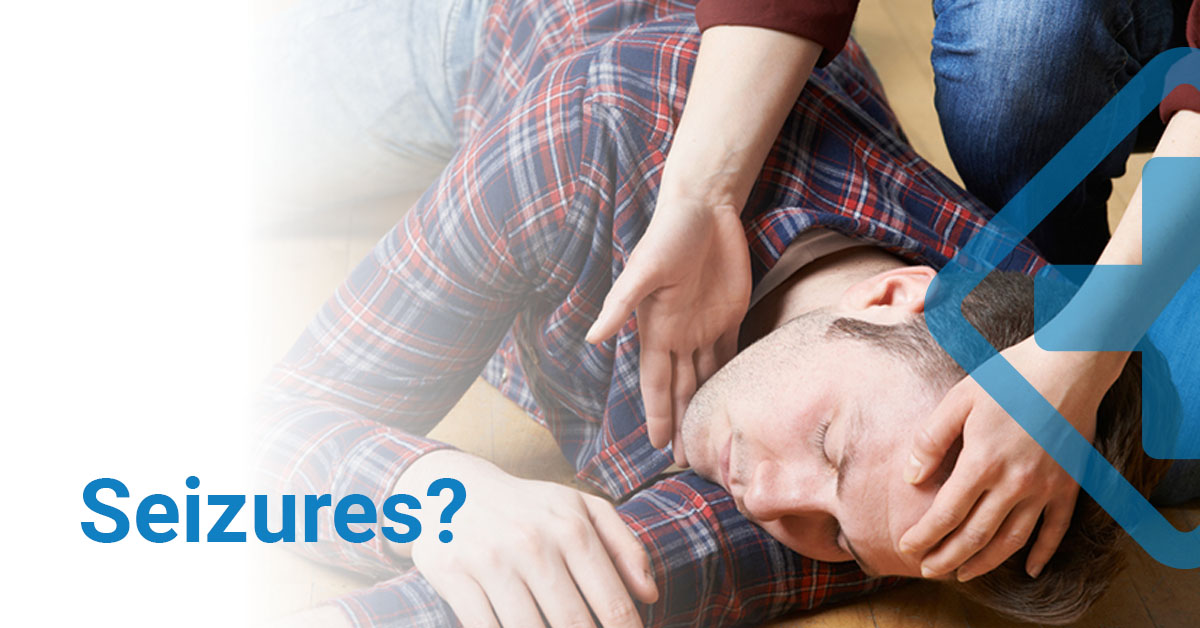
Seizures are events of uncontrolled movements or abnormalities in brain function that can cause changes in behavior or level of consciousness.
There are different types of Seizures , these differ depending on their intensity. By supplying medications and treatments provided by your doctor it is possible to control a large part of these disorders.
Causes- High fever
- Lack of sleep
- Low sodium in blood (hyponatremia)
- Head injury
- Heat intolerance (heat stroke)
- Stroke
- Infections
- Brain tumor
- Drinking too much alcohol
- Consumption of drugs
- Drug overdose
The symptoms can vary depending on the type of Seizure, the most common of these are the following symptoms:
- Confusion
- Drooling or foaming at the mouth
- Uncontrollable shaking movements of arms and legs
- Loss of consciousness
- Emotional disturbances
- Behavior changes
- Eye movements
- Growl and snort
- Body shakes
- Sudden fall
- Gnash teeth
- Temporary pause of breathing
- Changes in the senses
Diagnosis of Seizures
The Neurologist will be in charge of doing a physical exam and a series of questions about your medical history.
Among the tests to be carried out, we group the most common.
-
Blood test
-
Electroencephalography (EEG) allows you to record the brain's electrical activity, which helps doctors visualize the likelihood that the Seizure will recur or not. It can also help the doctor detect or rule out other similar conditions
-
Neurological exam, allows the Neurologist to do a series of tests to assess balance, muscle strength and the functioning of the nervous system
-
Positron emission tomography, help visualize the active areas of the brain and detect abnormalities
-
Lumbar puncture
Treatment of Seizures
In most cases, the Neurologist begins treatment when Seizures have occurred more than once because not everyone who has one Seizure has another.
The most common treatments for Seizures are:
-
Seizure medications
-
Surgery
-
Vagus nerve stimulation, a device sends signals to the brain to stop seizures
-
Sensitive neurostimulation, allows the doctor to detect seizure activity and stop it through an electric shock
-
Deep brain stimulation, regulates abnormal brain activity
-
Nutritional therapy, consuming high fat and low carbohydrate content (ketogenic diet), can help improve seizure control
Living with Seizures
Following the treatment provided by your Neurologist and leading a healthy lifestyle could help improve quality of life.
Following are the most common recommendations:
-
Take medications correctly
-
Wear a medical alert bracelet
-
Exercise daily
-
Decrease salt intake
-
Do not smoke
-
Manage stress
-
Maintain a healthy weight
-
Maintain a healthy diet
-
Get enough rest
-
Share information with family and friends about Seizures and what to do in case of an attack
-
Family support is vital; understanding of common symptoms is required to react appropriately and be patient
-
Go to a mental health professional to talk about your feelings, as illness can lead to anger and stress
-
Check with your doctor about the safety measures you should have
When to see a doctor?
Contact a Neurologist if you have any of the symptoms mentioned.
Go or call the emergency number in Los Cabos +52 (624) 104 3911 for help immediately in the following cases:
-
It is the first time that you have had a Seizure
-
The Seizure lasts for more than 2 minutes
-
Seizure occurs right after another
-
Behavioral changes after having a Seizure
-
The person doesn't wake up
-
Seizures in the water
-
The person is injured, pregnant, or has diabetes
The Neurologist will take care of making a review of the medical history of the family history, neurological examinations, as well as a general physical examination.
When consulting your doctor, we recommend keeping a record of your pain with a detailed description of the symptoms, duration, and what you think triggered them. Also, mention any medications you are taking.
BlueNetHospitals - Hospital Los Cabos
BlueNet Hospitals
Health Library
Neurology



Trigeminal Neuralgia
Trigeminal neuralgia is characterized by episodes of sharp pain
Eye Twitching
Eye Twitching? This condition is called myokymia.
Narcolepsy
Narcolepsy is a chronic sleep disorder affecting a significant number of people worldwide
Hemifacial Spasm
The hemifacial spasm can range from mild to severe, and can affect one or multiple areas of the face.
- Do You Need an Appointment with a Specialist?
- call us
- write us
- let's talk

