
Hypothyroidism: Symptoms, Causes & Treatment for an Underactive Thyroid
Hypothyroidism can cause fatigue, weight gain, hair loss, and sensitivity to cold. Learn about symptoms, diagnosis, and thyroid treatment in Los Cabos.
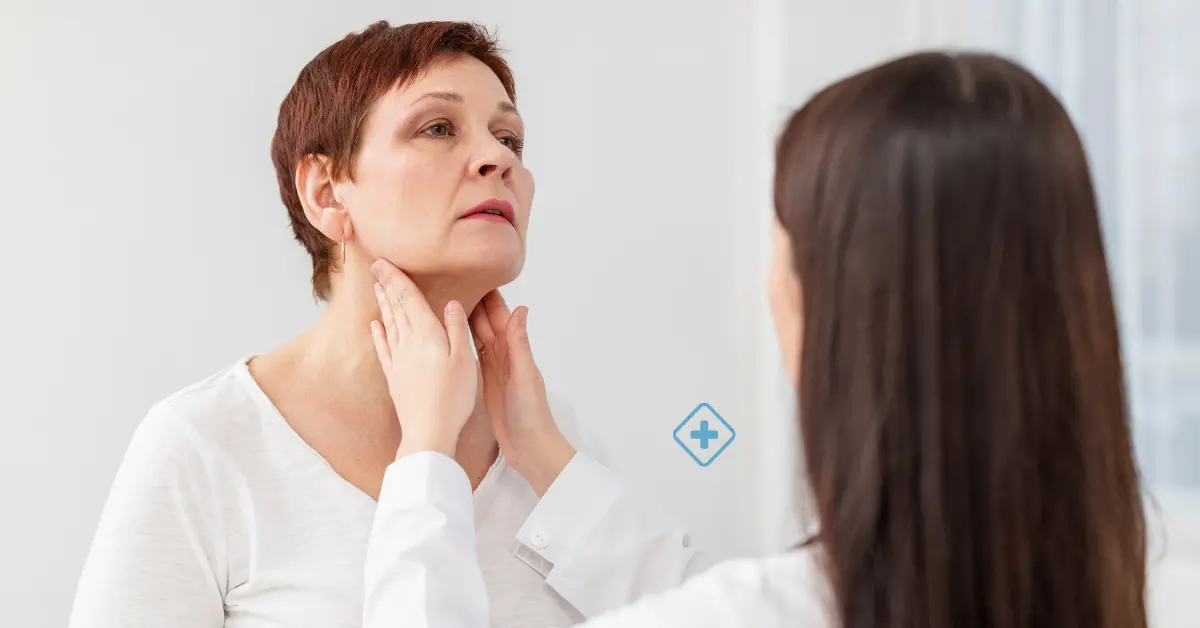
Hypothyroidism is a condition that occurs when the thyroid gland does not produce enough thyroid hormones to maintain normal body function.
These hormones play a key role in regulating metabolism, body temperature, energy levels, heart rate, and mood. When hormone levels decrease, the body begins to slow down, leading to symptoms that can affect daily life.
Many people associate hypothyroidism only with weight gain, but it can also cause persistent fatigue, sensitivity to cold, hair loss, mood changes, and difficulty concentrating.
In this article, you’ll learn what hypothyroidism is, its most common symptoms and causes, how it is diagnosed, and which treatments can help keep the condition under control.
What Is Hypothyroidism?Hypothyroidism is an endocrine disorder that develops when the thyroid gland produces fewer hormones than the body needs.
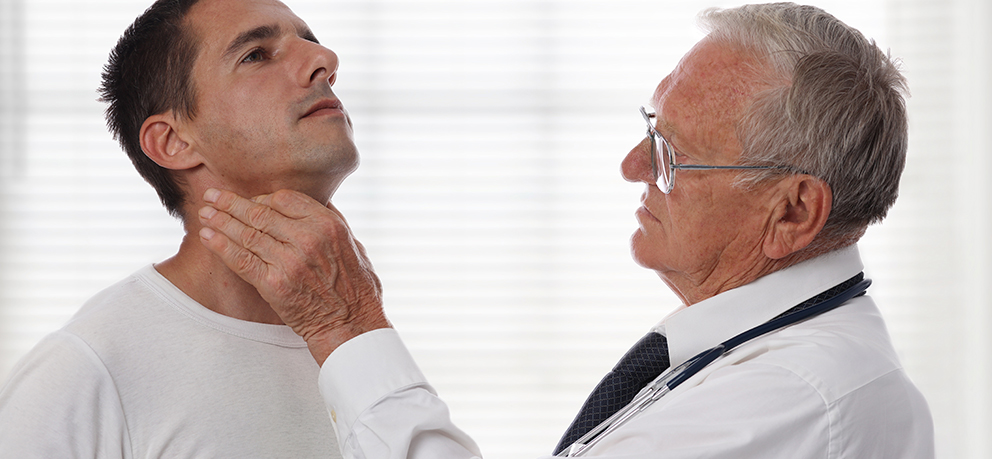
The thyroid is a small gland located at the front of the neck and plays an essential role in controlling metabolism and several important body functions.
When hormone production decreases, different systems in the body may be affected, causing processes such as digestion, circulation, and energy use to slow down.
Who Can Develop Hypothyroidism?Hypothyroidism can affect people of any age, although it is more common in:
- Women
- Adults over 60 years old
- People with a family history of thyroid disease
- Patients with autoimmune disorders
- Individuals who have received radiation therapy to the neck
- Patients who have had thyroid surgery
The risk may also increase in people with previous thyroid disorders or iodine deficiency.
Common Symptoms of HypothyroidismSymptoms often develop gradually and may vary depending on the severity of the condition.
Fatigue and Constant TirednessMany people experience low energy levels even after getting enough rest.
Weight GainA slower metabolism may contribute to unexplained weight gain or difficulty losing weight.
Increased Sensitivity to ColdPeople with hypothyroidism often feel colder than usual.
Dry Skin and Hair LossReduced thyroid hormone levels can affect the skin, nails, and hair.
ConstipationDigestion may slow down due to the impact hypothyroidism has on metabolism.
Mood ChangesSome people may experience:
- Sadness
- Irritability
- Depression
- Difficulty concentrating
- Mental fog
Mild swelling may appear in the face, eyelids, or extremities.
Causes of HypothyroidismSeveral conditions can affect the function of the thyroid gland.
Hashimoto’s ThyroiditisThis is one of the most common causes of hypothyroidism.
It is an autoimmune disease in which the immune system attacks the thyroid gland.
Thyroid SurgerySome patients develop hypothyroidism after partial or complete removal of the thyroid gland.
Radiation TherapyRadiation treatments involving the neck may affect thyroid function.
Iodine DeficiencyIodine is essential for producing thyroid hormones. A deficiency may impair thyroid function.
MedicationsCertain medications may interfere with hormone production.
Difference Between Hypothyroidism and HyperthyroidismAlthough both conditions affect the thyroid gland, they work in opposite ways.
HypothyroidismThe thyroid produces too little hormone, slowing down the body’s metabolism.
HyperthyroidismThe thyroid produces excessive amounts of hormones, causing body functions to speed up.
This may lead to:
- Weight loss
- Nervousness
- Heart palpitations
- Excessive sweating
- Anxiety
Diagnosis is based on medical evaluation and laboratory testing.
An endocrinologist will usually order:- Thyroid-stimulating hormone (TSH)
- Free T4
- Additional tests depending on the patient’s condition
High TSH levels combined with low T4 levels commonly indicate hypothyroidism.
In addition to blood tests, the specialist also evaluates symptoms and medical history.
Can Hypothyroidism Be Cured?Hypothyroidism is generally considered a chronic condition, but it can usually be managed effectively with proper treatment.
Most patients require hormone replacement therapy using medications such as levothyroxine, which help restore normal hormone levels.
With regular medical follow-up and proper treatment, many people with hypothyroidism are able to live healthy and active lives.
Why Ongoing Medical Follow-Up MattersManaging hypothyroidism requires periodic monitoring to adjust medication doses and maintain healthy hormone levels.
Changes in weight, age, pregnancy, or certain medications may affect how much hormone replacement the body needs.
For this reason, regular visits with an endocrinology specialist are important.
Specialized Endocrinology Care in Los CabosAt BlueNetHospitals, we provide specialized care for the diagnosis and treatment of thyroid disorders and hormonal conditions.
Our medical team offers comprehensive care for patients with:
- Hypothyroidism
- Hyperthyroidism
- Thyroid nodules
- Endocrine disorders
- Metabolic conditions
📲 Schedule your medical evaluation in Los Cabos
Hypothyroidism can affect many body functions and reduce quality of life when left untreated. Recognizing symptoms early and receiving specialized medical care can help patients begin appropriate treatment and maintain healthy hormone balance.
At BlueNetHospitals, we provide comprehensive care for patients with thyroid disorders and endocrine conditions in Los Cabos.Frequently Asked Questions About Hypothyroidism
1. What symptoms does hypothyroidism cause?
Common symptoms include fatigue, weight gain, sensitivity to cold, dry skin, hair loss, and mood changes.
2. Does hypothyroidism cause weight gain?Yes. A slower metabolism may contribute to weight gain.
3. Can hypothyroidism be cured?In most cases, hypothyroidism is not permanently curable, but it can usually be managed effectively with hormone replacement therapy.
4. What type of doctor treats hypothyroidism?An endocrinologist specializes in diagnosing and treating thyroid disorders.
5. What tests help diagnose hypothyroidism?The most common tests include TSH and free T4 levels.
6. Can hair loss be related to thyroid problems?Yes. Hypothyroidism may affect hair growth and hair health.
7. Can hypothyroidism cause depression?Some people may experience mood changes, sadness, or difficulty concentrating.
8. When should I see an endocrinologist?You should seek medical evaluation if you experience persistent fatigue, unexplained weight gain, sensitivity to cold, or symptoms related to hormonal imbalance.

Diabetic Foot
These are the common symptoms related to diabetic foot
Hyperthyroidism
Hyperthyroidism is a medical condition that affects the thyroid gland, a butterfly-shaped organ located at the front of the neck.
Diabetes
Diabetes is characterized by chronic hyperglycemia, that is to say an excess of sugar in the blood and therefore a level of glucose (blood sugar) that is too high.
Endocrinology
- Do You Need an Appointment with a Specialist?
- call us
- write us
- let's talk

