
Herniated Disc: Symptoms, Sciatica & Treatment for Back Pain
A herniated disc may cause lower back pain, sciatica, numbness, and muscle weakness. Learn about symptoms, diagnosis, and spine treatment options in Los Cabos.

A herniated disc is one of the most common causes of back pain, lower back pain, and discomfort that radiates into the arms or legs. This condition occurs when one of the discs that cushions the vertebrae slips out of place or ruptures, putting pressure on nearby nerves.
Depending on the affected area, a herniated disc can cause anything from mild discomfort to more severe symptoms such as tingling, muscle weakness, or difficulty walking.
Although many people associate this condition only with aging, it can also develop due to poor posture, repetitive movements, physical strain, or spinal injuries.
In this article, you’ll learn what a herniated disc is, its most common symptoms, how it is diagnosed, and which treatments may help relieve pain and improve mobility.
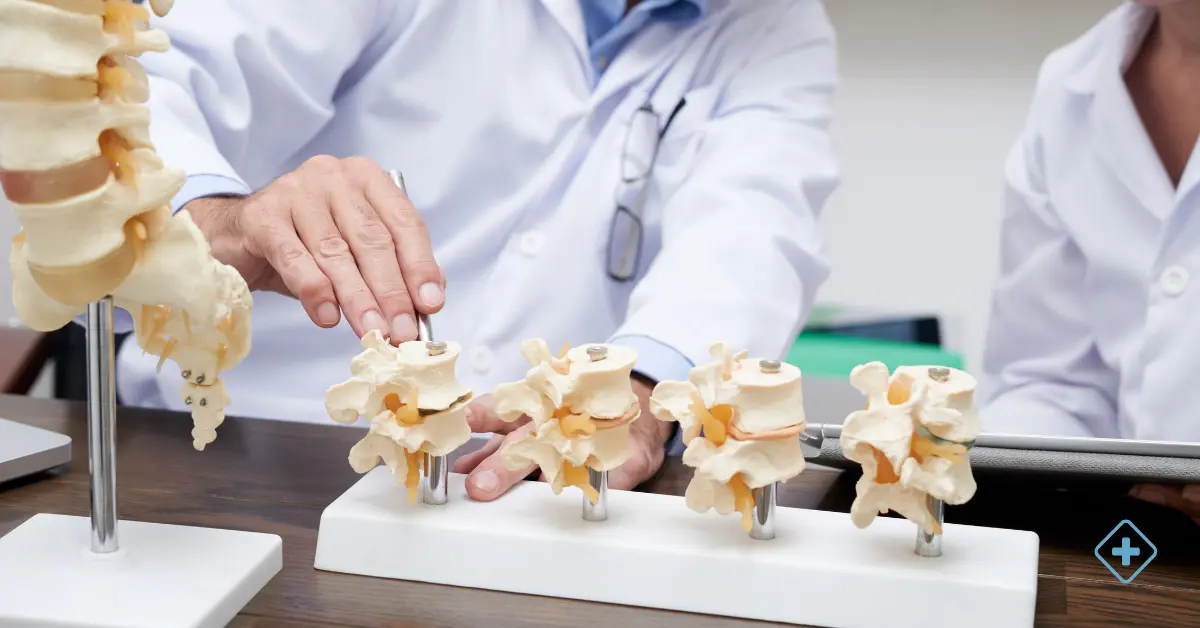
What Is a Herniated Disc?The spine is made up of vertebrae separated by intervertebral discs that act as natural shock absorbers. These discs help absorb impact and allow the back to bend and move properly.
When one of these discs shifts, wears down, or partially ruptures, it may press against nearby nerves. This condition is known as a herniated disc or slipped disc.
Herniated discs can develop anywhere along the spine, but they are most common in the:
- Lumbar spine (lower back)
- Cervical spine (neck)
Causes of a Herniated Disc
Herniated discs can develop for several reasons. In many cases, they occur gradually due to the natural wear and tear of the spine over time.
As we age, spinal discs lose elasticity and hydration, making them more vulnerable to injury or rupture.
Injuries or Sudden MovementsLifting heavy objects incorrectly, sudden twisting motions, or accidents may increase the risk of disc injury.
Degenerative Disc ChangesDisc degeneration is one of the leading causes of herniated discs in adults.
Repetitive ActivitiesJobs or activities that involve:
- Pushing
- Pulling
- Twisting the torso
- Frequent heavy lifting
can place excessive strain on the spine.
Sedentary LifestyleLack of physical activity may weaken the muscles that support and stabilize the back.
Excess WeightBeing overweight increases pressure on the lower back.
SmokingSmoking may reduce oxygen supply to the spinal discs and accelerate degeneration.
Genetic FactorsSome people are more predisposed to developing spinal conditions or herniated discs.
Symptoms of a Herniated DiscSymptoms may vary depending on the location of the herniated disc and the affected nerve.
Lower Back or Neck PainThis is one of the most common symptoms. Pain may worsen while sitting, bending, walking, or lifting objects.
Pain Radiating to the Arms or LegsWhen the disc compresses a nerve, pain may radiate:
- Into the buttocks and legs
- Into the shoulders and arms
Many people experience numbness, tingling, or a pins-and-needles sensation.
Muscle WeaknessSome herniated discs may affect muscle strength and make certain movements more difficult.
Pain During Physical ActivityPain often becomes more intense during physical exertion or repetitive movement.
Can a Herniated Disc Cause Sciatica?Yes. A lumbar herniated disc is one of the most common causes of sciatica.
Sciatica occurs when the sciatic nerve becomes irritated or compressed, causing pain that radiates from the lower back down through the buttocks and legs.
This pain may also be accompanied by:
- Tingling
- Burning sensations
- Muscle weakness
- Pain while walking or sitting
Several factors may increase the likelihood of developing a herniated disc, including:
- Excess weight
- Lack of exercise
- Improper lifting techniques
- Physically demanding jobs
- Prolonged sitting
- Frequent driving
- Smoking
- Family history
Diagnosis usually begins with a medical evaluation and physical examination.
A neurosurgeon or spine specialist may assess:
- Pain location
- Reflexes
- Muscle strength
- Sensation
- Mobility
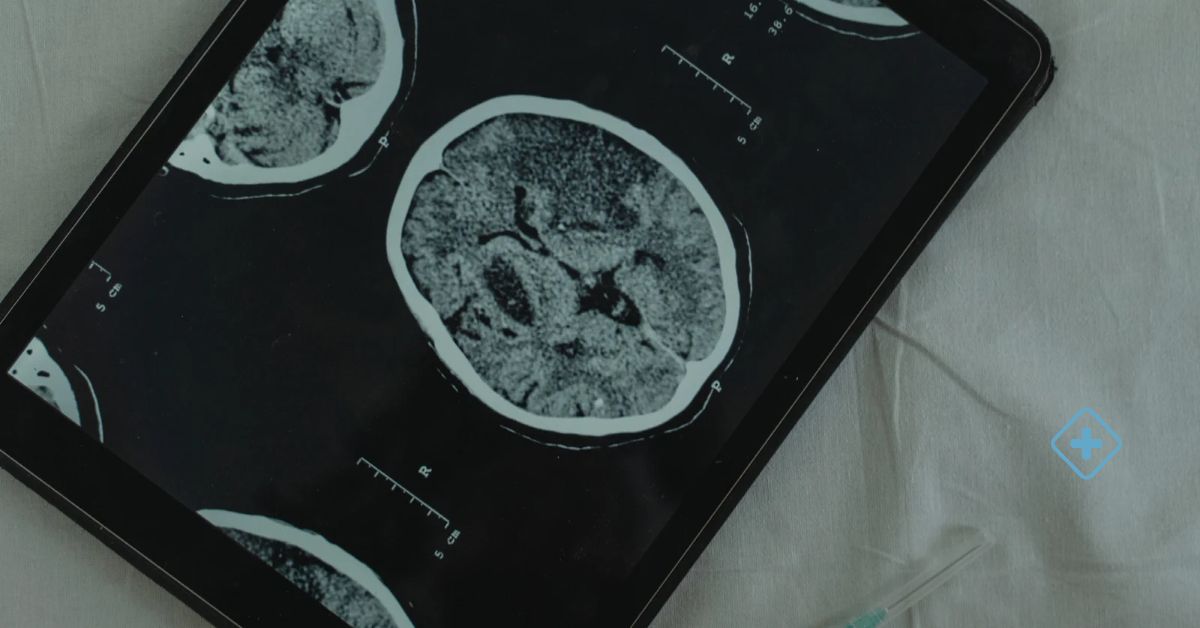
Depending on the case, imaging studies may include:
- X-rays
- CT scans
- MRI scans
MRI is one of the most commonly used imaging studies to confirm a herniated disc and evaluate nerve compression.
Treatment for a Herniated DiscTreatment depends on symptom severity and how much the condition affects daily life and mobility.
MedicationsCertain medications may help reduce pain and inflammation.
Physical TherapyPhysical therapy may help strengthen back muscles, improve mobility, and reduce discomfort.
Activity ModificationsAvoiding movements that worsen symptoms may support recovery.
Pain ManagementSome patients may benefit from injections or specialized pain management treatments.
Spine SurgeryWhen severe pain, muscle weakness, or persistent neurological symptoms are present, spine surgery may be necessary.
A neurosurgeon will determine the most appropriate treatment based on each patient’s condition.
Living With a Herniated DiscMany people are able to improve symptoms and regain quality of life with proper treatment.
Helpful recommendations may include:
- Staying physically active
- Walking regularly
- Avoiding heavy lifting
- Improving posture
- Avoiding prolonged bed rest
- Following medical recommendations
In some cases, rehabilitation and physical therapy play an important role in improving mobility and reducing pain.
When Should You See a Specialist?You should seek medical attention if you experience:
- Severe back or neck pain
- Pain radiating into the arms or legs
- Persistent numbness or tingling
- Muscle weakness
- Difficulty walking
- Loss of strength
- Pain that does not improve
Early medical evaluation may help prevent complications and improve recovery.
Specialized Spine and Neurosurgery Care in Los CabosAt BlueNetHospitals, we provide specialized care for the diagnosis and treatment of herniated discs and spinal conditions.
Our medical team offers comprehensive care for patients with:
- Lumbar herniated discs
- Cervical herniated discs
- Sciatica
- Chronic lower back pain
- Nerve compression
- Spine disorders
We also provide neurosurgery specialists and advanced diagnostic imaging for spinal conditions in Los Cabos.
📲 Schedule your medical evaluation in Los Cabos
+52 (624) 151 0693
Herniated discs can significantly affect mobility and quality of life when left untreated. Recognizing symptoms early and seeking specialized medical care may help relieve pain and prevent complications.
At BlueNetHospitals, we provide comprehensive care for patients with lower back pain, sciatica, and spinal conditions in Los Cabos.Frequently Asked Questions About Herniated Discs
1. What causes a herniated disc?
A herniated disc may develop due to spinal degeneration, sudden movements, injuries, improper lifting, or aging.
2. Can a herniated disc cause sciatica?Yes. A lumbar herniated disc may compress the sciatic nerve and cause pain radiating down the leg.
3. What does herniated disc pain feel like?It may feel like lower back pain, tingling, sharp pain, or an electric-like sensation radiating into the arms or legs.
4. Do all herniated discs require surgery?No. Many people improve with medications, physical therapy, and activity modifications.
5. Does walking help a herniated disc?In many cases, moderate walking may help improve mobility and recovery.
6. What specialist treats a herniated disc?A neurosurgeon or spine specialist can diagnose and treat this condition.
7. Can an MRI detect a herniated disc?Yes. MRI is one of the most commonly used tests to confirm the diagnosis.
8. When should I see a doctor?You should seek medical care if pain is severe, persistent, or accompanied by weakness, numbness, or difficulty walking.
Health Library
Neurosurgery

Cavernoma
A cavernoma, also known as cerebral cavernous malformation, is a congenital vascular abnormality in the brain or spinal cord.
Lower Back Pain (Lumbalgia): Symptoms, Causes & Treatment Options
Lower back pain can affect mobility, daily activities, and quality of life. Learn about the most common causes, symptoms, and treatment options for chronic and acute low back pain.
Lumbar Spinal Stenosis
Lumbar spinal stenosis occurs when there is a narrowing of the space within the spinal column.
Stroke
A stroke, is a medical condition that occurs when blood flow to the brain is suddenly interrupted.
- Do You Need an Appointment with a Specialist?
- call us
- write us
- let's talk

