
Neurosurgery
Brain Aneurysm: Symptoms, Causes, Warning Signs & Treatment
A brain aneurysm can develop without symptoms for years, but if it ruptures, it becomes a life-threatening emergency. Learn the warning signs, causes, and treatment options.
Brain Aneurysm: Symptoms, Causes, and When to Seek Emergency Care
A brain aneurysm is a weakened area in a blood vessel within the brain that bulges outward, forming a balloon-like pouch filled with blood. Some aneurysms remain small and never cause problems, while others can grow over time and become life-threatening if they rupture.
One of the most concerning aspects of a brain aneurysm is that it often develops silently.
Many people don’t realize they have one until it’s discovered during imaging performed for an unrelated reason. In other cases, the first warning sign is a sudden medical emergency. Recognizing the symptoms early and understanding the risk factors can make a critical difference.
What Is a Brain Aneurysm?
A brain aneurysm, also called a cerebral aneurysm, occurs when part of an artery wall becomes weak and begins to bulge.
Some aneurysms remain stable for years without causing symptoms. Others may enlarge and place pressure on nearby nerves or brain tissue.
If an aneurysm ruptures, it can cause bleeding around the brain known as a subarachnoid hemorrhage. This is a serious medical emergency that requires immediate treatment.
What Causes a Brain Aneurysm?
Brain aneurysms can develop for several reasons. In many cases, they’re linked to gradual weakening of the arteries over time.
Certain medical conditions, lifestyle factors, and inherited disorders may increase the likelihood of developing an aneurysm.
Common risk factors include:
Symptoms of a Brain Aneurysm
Symptoms of an Unruptured Brain Aneurysm
Many unruptured aneurysms cause no symptoms at all. However, as they grow, they may press against nearby nerves and surrounding brain structures.
Possible symptoms include:
Symptoms of a Ruptured Brain Aneurysm
A ruptured brain aneurysm typically causes sudden and severe symptoms.
The most common warning sign is an intense headache that many patients describe as “the worst headache of my life.”
Other symptoms may include:
How Is a Brain Aneurysm Diagnosed?
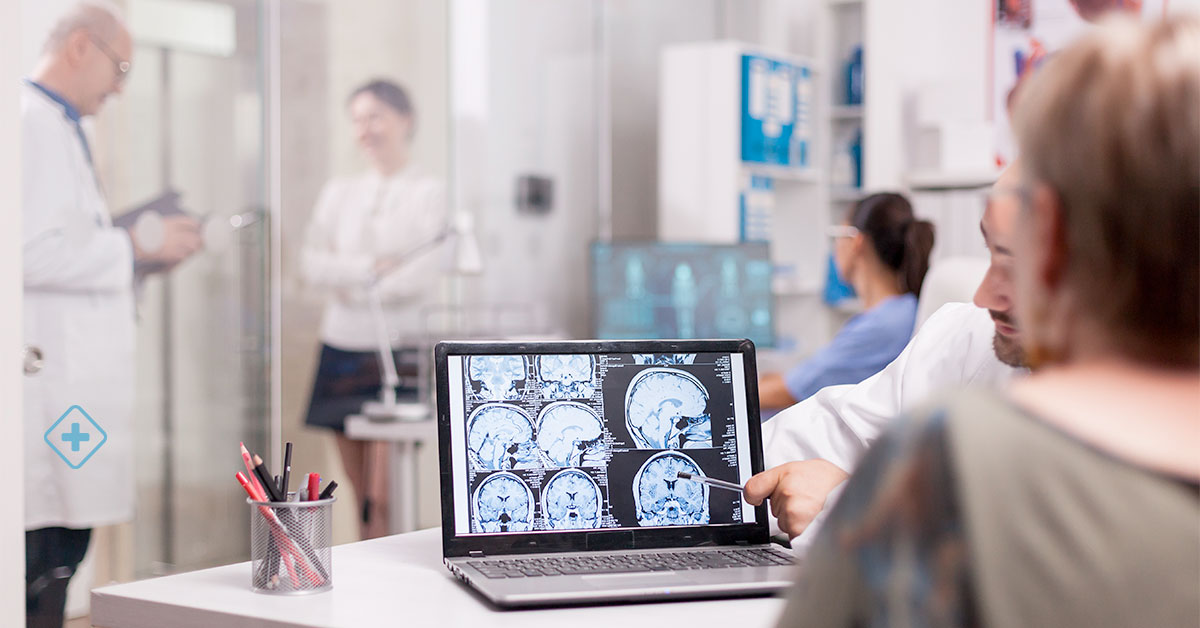
Doctors use imaging studies to evaluate the blood vessels in the brain and identify bleeding or aneurysms.
A Neurosurgeon or Neurology specialist may recommend:
CT Scan
A CT scan is one of the fastest and most commonly used tests to detect bleeding in the brain.
MRI and MRA
Magnetic resonance imaging provides detailed images of the brain and blood vessels.
Cerebral Angiography
This specialized imaging test allows physicians to examine blood flow inside the brain’s arteries in greater detail.
Lumbar Puncture
A spinal tap may be necessary if a ruptured aneurysm is suspected but imaging does not clearly show bleeding.
Treatment decisions depend on the aneurysm’s size, location, shape, and overall rupture risk.
Treatment Options for Brain Aneurysms
There are several ways to treat a brain aneurysm, and the best approach depends on each patient’s condition and medical history.
Endovascular Coiling
This minimally invasive procedure is performed from inside the blood vessels.
Using a catheter, the specialist places tiny coils inside the aneurysm to reduce blood flow and lower the risk of rupture.
Recovery is often faster compared to open surgery.
Surgical Clipping
Surgical clipping involves placing a small metal clip at the base of the aneurysm to stop blood from entering it.
Although it requires open brain surgery, clipping remains one of the most effective treatments for certain aneurysms.
Flow Diverters
Flow diverters are specialized stents placed inside the artery to redirect blood flow away from the aneurysm.
They are commonly used for larger or more complex aneurysms and help the vessel heal over time.
Treatment After a Ruptured Aneurysm
When a rupture occurs, treatment focuses not only on securing the aneurysm but also on preventing further brain injury and complications.
Depending on the situation, patients may require:
Can a Brain Aneurysm Be Prevented?
Not every aneurysm can be prevented, but healthy lifestyle habits may help reduce the risk of growth or rupture.
Doctors commonly recommend:
You should seek medical attention immediately if you experience:
Specialized Neurosurgical Care in Los Cabos
At BlueNetHospitals, our Neurosurgery team provides specialized care for cerebrovascular conditions, including brain aneurysms.
Early evaluation can help identify risks before complications occur and allow physicians to determine the most appropriate treatment plan for each patient.
📲 Emergency and Neurosurgical Care in Los Cabos
+52 (624) 104 3911
Frequently Asked Questions About Brain Aneurysms
1. Can a brain aneurysm exist without symptoms?
Yes. Many small aneurysms never cause symptoms and are discovered incidentally during imaging studies.
2. How dangerous is a brain aneurysm?
That depends on its size, location, and rupture risk. A ruptured aneurysm can cause severe bleeding in the brain and become life-threatening.
3. Does every severe headache mean an aneurysm?
No. However, a sudden and unusually intense headache should always be evaluated immediately.
4. Can someone live with a brain aneurysm?
Yes. Some small aneurysms can be safely monitored over time without immediate surgery.
5. What type of doctor treats brain aneurysms?
Brain aneurysms are typically treated by Neurosurgeons and specialists in vascular neurology.
A brain aneurysm is a weakened area in a blood vessel within the brain that bulges outward, forming a balloon-like pouch filled with blood. Some aneurysms remain small and never cause problems, while others can grow over time and become life-threatening if they rupture.
One of the most concerning aspects of a brain aneurysm is that it often develops silently.
Many people don’t realize they have one until it’s discovered during imaging performed for an unrelated reason. In other cases, the first warning sign is a sudden medical emergency. Recognizing the symptoms early and understanding the risk factors can make a critical difference.
What Is a Brain Aneurysm?
A brain aneurysm, also called a cerebral aneurysm, occurs when part of an artery wall becomes weak and begins to bulge.
Some aneurysms remain stable for years without causing symptoms. Others may enlarge and place pressure on nearby nerves or brain tissue.
If an aneurysm ruptures, it can cause bleeding around the brain known as a subarachnoid hemorrhage. This is a serious medical emergency that requires immediate treatment.
What Causes a Brain Aneurysm?
Brain aneurysms can develop for several reasons. In many cases, they’re linked to gradual weakening of the arteries over time.
Certain medical conditions, lifestyle factors, and inherited disorders may increase the likelihood of developing an aneurysm.
Common risk factors include:
- High blood pressure
- Smoking
- Family history of brain aneurysms
- Atherosclerosis (hardening of the arteries)
- Drug use, particularly cocaine
- Head trauma
- Vascular or genetic disorders
- Arteriovenous malformations (AVMs)
- Infections affecting the nervous system
Symptoms of a Brain Aneurysm
Symptoms of an Unruptured Brain Aneurysm
Many unruptured aneurysms cause no symptoms at all. However, as they grow, they may press against nearby nerves and surrounding brain structures.
Possible symptoms include:
- Persistent headaches
- Pain above or behind the eye
- Blurred or double vision
- Dilated pupil
- Drooping eyelid
- Facial numbness or weakness
- Difficulty speaking
- Trouble moving the eyes
Symptoms of a Ruptured Brain Aneurysm
A ruptured brain aneurysm typically causes sudden and severe symptoms.
The most common warning sign is an intense headache that many patients describe as “the worst headache of my life.”
Other symptoms may include:
- Nausea and vomiting
- Stiff neck
- Sensitivity to light
- Double vision or sudden vision loss
- Confusion
- Dizziness or difficulty walking
- Seizures
- Extreme drowsiness
- Loss of consciousness
- Sudden weakness or numbness
How Is a Brain Aneurysm Diagnosed?
Doctors use imaging studies to evaluate the blood vessels in the brain and identify bleeding or aneurysms.
A Neurosurgeon or Neurology specialist may recommend:
CT Scan
A CT scan is one of the fastest and most commonly used tests to detect bleeding in the brain.
MRI and MRA
Magnetic resonance imaging provides detailed images of the brain and blood vessels.
Cerebral Angiography
This specialized imaging test allows physicians to examine blood flow inside the brain’s arteries in greater detail.
Lumbar Puncture
A spinal tap may be necessary if a ruptured aneurysm is suspected but imaging does not clearly show bleeding.
Treatment decisions depend on the aneurysm’s size, location, shape, and overall rupture risk.
Treatment Options for Brain Aneurysms
There are several ways to treat a brain aneurysm, and the best approach depends on each patient’s condition and medical history.
Endovascular Coiling
This minimally invasive procedure is performed from inside the blood vessels.
Using a catheter, the specialist places tiny coils inside the aneurysm to reduce blood flow and lower the risk of rupture.
Recovery is often faster compared to open surgery.
Surgical Clipping
Surgical clipping involves placing a small metal clip at the base of the aneurysm to stop blood from entering it.
Although it requires open brain surgery, clipping remains one of the most effective treatments for certain aneurysms.
Flow Diverters
Flow diverters are specialized stents placed inside the artery to redirect blood flow away from the aneurysm.
They are commonly used for larger or more complex aneurysms and help the vessel heal over time.
Treatment After a Ruptured Aneurysm
When a rupture occurs, treatment focuses not only on securing the aneurysm but also on preventing further brain injury and complications.
Depending on the situation, patients may require:
- Pain management medications
- Medications to reduce blood vessel spasms
- Anti-seizure medications
- Ventricular drainage procedures
- Intensive care monitoring
- Neurological and physical rehabilitation
Can a Brain Aneurysm Be Prevented?
Not every aneurysm can be prevented, but healthy lifestyle habits may help reduce the risk of growth or rupture.
Doctors commonly recommend:
- Avoiding smoking
- Managing blood pressure
- Staying physically active
- Maintaining a healthy weight
- Limiting alcohol consumption
- Reducing stress
- Eating a balanced diet
- Undergoing medical evaluations if there is a family history of aneurysms
You should seek medical attention immediately if you experience:
- A sudden, severe headache
- Unexplained vision changes
- Loss of consciousness
- Seizures
- Sudden weakness or numbness
- Difficulty speaking
- Persistent pain behind the eyes
Specialized Neurosurgical Care in Los Cabos
At BlueNetHospitals, our Neurosurgery team provides specialized care for cerebrovascular conditions, including brain aneurysms.
Early evaluation can help identify risks before complications occur and allow physicians to determine the most appropriate treatment plan for each patient.
📲 Emergency and Neurosurgical Care in Los Cabos
+52 (624) 104 3911
Frequently Asked Questions About Brain Aneurysms
1. Can a brain aneurysm exist without symptoms?
Yes. Many small aneurysms never cause symptoms and are discovered incidentally during imaging studies.
2. How dangerous is a brain aneurysm?
That depends on its size, location, and rupture risk. A ruptured aneurysm can cause severe bleeding in the brain and become life-threatening.
3. Does every severe headache mean an aneurysm?
No. However, a sudden and unusually intense headache should always be evaluated immediately.
4. Can someone live with a brain aneurysm?
Yes. Some small aneurysms can be safely monitored over time without immediate surgery.
5. What type of doctor treats brain aneurysms?
Brain aneurysms are typically treated by Neurosurgeons and specialists in vascular neurology.
Health Library
Neurosurgery



Neurosurgery
Cavernoma
A cavernoma, also known as cerebral cavernous malformation, is a congenital vascular abnormality in the brain or spinal cord.
Neurosurgery
Lower Back Pain (Lumbalgia): Symptoms, Causes & Treatment Options
Lower back pain can affect mobility, daily activities, and quality of life. Learn about the most common causes, symptoms, and treatment options for chronic and acute low back pain.
Neurosurgery
Lumbar Spinal Stenosis
Lumbar spinal stenosis occurs when there is a narrowing of the space within the spinal column.
Neurosurgery
Stroke
A stroke, is a medical condition that occurs when blood flow to the brain is suddenly interrupted.
- Do You Need an Appointment with a Specialist?
- call us
- write us
- let's talk

