
Household Chemicals: How to Prevent Poisoning
Learn how to store and use household chemicals safely, respond to exposure, and know when to seek emergency care in Los Cabos.
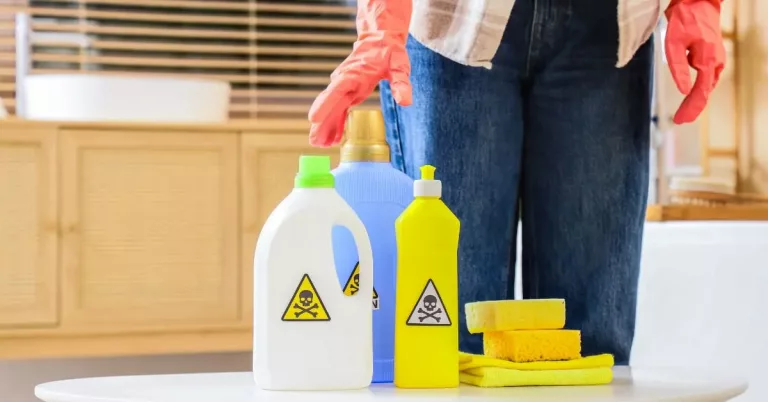
Cleaning products, laundry detergents, paints, pesticides, and automotive fluids are part of everyday life. When used correctly, they serve a practical purpose. However, mixing incompatible products, leaving a container open, or placing a chemical within a child’s reach can lead to serious poisoning.
Exposure can occur when a substance is swallowed, inhaled, or comes into contact with the skin or eyes. The risk depends on the product, its concentration, the amount involved, the length of exposure, and the person’s age and health.
Learning how to store household chemicals safely and respond to an accident can prevent serious injury—and sometimes save a life.
How Can You Identify a Hazardous Household Chemical?Always read the label before using a product. Look for warnings such as:
- Danger.
- Toxic.
- Corrosive.
- Flammable.
- Irritant.
- Warning.
- Keep out of reach of children.
- Use only in a well-ventilated area.
Hazard symbols may also indicate that a substance is corrosive, flammable, toxic, or harmful to the environment.
Read the directions even if you have used a similar product before. Concentrations and safety instructions can vary between brands. Use only the recommended amount and never combine products unless the label specifically states that doing so is safe.
Household Products That Can Cause PoisoningBleach and disinfectants
Household bleach can irritate the skin, eyes, and respiratory tract. Concentrated exposure may cause chemical burns or breathing problems.
Never mix bleach with:
- Ammonia.
- Vinegar.
- Acids.
- Toilet bowl cleaners.
- Drain cleaners.
- Rubbing alcohol.
- Other cleaning products or disinfectants.
Mixing bleach with ammonia can produce chloramine gases. Combining bleach with an acidic product may release chlorine gas. Both reactions can cause severe coughing, burning eyes, chest pain, and lung injury.
Oven cleaners and drain cleanersSome of these products contain highly corrosive chemicals, such as sodium hydroxide or lye. They can cause deep burns to the skin, eyes, mouth, throat, esophagus, and stomach.
Use them in a well-ventilated area and wear the protective equipment recommended on the label. Never transfer these products into water bottles, cups, or food containers.
Laundry detergents and detergent podsLiquid and powdered detergents often cause gastrointestinal irritation when swallowed. Concentrated detergent pods are a greater risk, particularly for young children, because biting the pod can release its contents quickly.
Exposure to a detergent pod may cause:
- Severe vomiting.
- Drowsiness.
- Coughing or choking.
- Eye irritation.
- Aspiration into the lungs.
- Difficulty breathing.
Store detergent pods in their original closed container, out of children’s sight and reach.
Bathroom and toilet bowl cleanersThese products may contain acids, bleach, or other corrosive ingredients. Contact can irritate or burn the skin and eyes, while swallowing them may damage the mouth and digestive tract.
Never combine bathroom cleaners with each other or with bleach. Keep the bathroom door or a window open while cleaning.
Glass cleaners and multipurpose productsIngredients vary between products. Some contain alcohols, ammonia, solvents, or other irritants. In an enclosed space, their fumes may cause headaches, dizziness, coughing, or irritation of the eyes and throat.
Do not assume that a product described as “natural” is harmless. Vinegar and other acidic cleaners can also become dangerous when mixed with bleach.
Insecticides and pesticidesUse insecticides exactly as directed on the label. Remove food, dishes, toys, and pet supplies before applying them. Follow the instructions regarding how long people and animals should remain outside the treated area.
Never use an outdoor pesticide inside the home. Do not reuse pesticide containers, and wash your hands thoroughly after handling these products.
Paints, solvents, and paint removersOil-based paints, paint thinner, mineral spirits, and other solvents can irritate the skin, eyes, and respiratory tract. Significant exposure to fumes may cause headaches, nausea, dizziness, drowsiness, or loss of consciousness.
Keep these products away from flames, cigarettes, heaters, and anything that could create a spark. Open doors and windows and follow the manufacturer’s recommendations for protective equipment.
Acetone and nail polish removerAcetone is flammable. Its fumes may cause irritation, headaches, or dizziness when they accumulate in a poorly ventilated room. Keep it away from flames and close the container immediately after use.
AntifreezeSome antifreeze products contain ethylene glycol. Swallowing it can cause life-threatening poisoning and damage the brain, heart, and kidneys.
During the first few hours, a person may appear confused or intoxicated even though more serious complications have not yet developed. Clean spills promptly and keep antifreeze away from children and animals. Do not wait for symptoms before seeking medical care after a possible ingestion.
Brake fluid, fuels, and automotive productsThese substances can be toxic if swallowed or inhaled and may irritate the skin and eyes. Gasoline and other hydrocarbons present a particular danger because they can enter the lungs during swallowing or vomiting.
Keep automotive products in their original containers—never in beverage bottles—and store them in a locked, well-ventilated area.
Batteries and button batteriesCar batteries contain corrosive acid and other hazardous materials. Button batteries are especially dangerous for children. If swallowed, they can cause severe internal burns within a few hours.
A suspected button battery ingestion requires immediate medical attention, even if the person has no symptoms.
Mercury thermometersDigital thermometers are a safer alternative to older mercury thermometers. If a mercury thermometer breaks:
- Keep children and animals away.
- Ventilate the room.
- Do not use a broom.
- Do not use a vacuum cleaner.
- Do not pour mercury down the drain.
- Contact local authorities for disposal instructions.
A vacuum cleaner can disperse mercury vapor and increase exposure.
Carbon monoxideCarbon monoxide is a colorless, odorless gas produced by incomplete combustion. It can accumulate when heaters, stoves, generators, vehicles, or gas appliances malfunction or operate in enclosed areas.
Symptoms may include:
- Headache.
- Dizziness.
- Nausea.
- Weakness.
- Confusion.
- Drowsiness.
- Chest pain.
- Loss of consciousness.
Install carbon monoxide detectors and have gas appliances inspected regularly. Never operate generators, grills, or vehicles inside a home or closed garage.
How to Store Household Chemicals SafelyMany household poisonings can be prevented with simple precautions:
- Keep every product in its original container.
- Make sure the label remains complete and readable.
- Never use water bottles, soda bottles, cups, or food containers.
- Store hazardous products in a locked cabinet, not merely on a high shelf.
- Keep detergents, pods, and medications out of children’s sight.
- Close containers immediately after use.
- Store incompatible products separately.
- Keep fuels, paints, and aerosols away from heat and flames.
- Do not store chemicals next to food.
- Follow local instructions for hazardous-waste disposal.
- Wear compatible gloves and eye protection when instructed by the label.
- Ventilate the area during and after cleaning.
“Out of reach” should mean that a child cannot see, open, or access the product—even by climbing onto furniture.
What Should You Do After an Accidental Chemical Exposure?The correct response depends on the product and how the exposure occurred. Do not improvise with home remedies.
If fumes were inhaled- Move the person to fresh air if it is safe to do so.
- Do not enter an enclosed area containing concentrated fumes without proper protection.
- Ventilate the area only if you can do so without exposing yourself.
- Seek medical care for persistent coughing, breathing difficulty, chest pain, dizziness, or confusion.
- Remove contact lenses if they come out easily.
- Rinse the affected eye immediately with plenty of room-temperature water for at least 15 minutes.
- Prevent contaminated water from flowing into the unaffected eye.
- Do not apply eye drops, ointments, or neutralizing chemicals unless instructed by a healthcare professional.
- Remove contaminated clothing and jewelry.
- If the product is a dry chemical, carefully brush it away before applying water.
- Rinse the skin with plenty of water for at least 15 minutes.
- Never try to neutralize an acid with a base or a base with an acid.
- Remove any visible residue from the mouth.
- Do not induce vomiting.
- Do not give activated charcoal, lemon juice, baking soda, oil, salt, or another home remedy.
- Do not give food or drinks without specific medical instructions.
- Keep the container or take a clear photograph of its label.
- Seek medical guidance immediately.
Inducing vomiting may expose the esophagus to a corrosive substance for a second time. It may also allow fuels or other hydrocarbons to enter the lungs.
Warning Signs: When to Go to the Emergency DepartmentChemical poisoning can worsen quickly. Go to the BlueNetHospitals Los Cabos Emergency Department if the person develops:
- Difficulty breathing.
- Severe coughing after inhaling fumes.
- Chest pain or tightness.
- Burns involving the mouth, skin, or eyes.
- Drooling or difficulty swallowing.
- Persistent or bloody vomiting.
- Confusion or unusual behavior.
- Severe drowsiness.
- Seizures.
- Fainting or loss of consciousness.
- Blue or gray lips or skin.
- Suspected carbon monoxide exposure.
- Possible ingestion of antifreeze, corrosive chemicals, pesticides, fuel, or a button battery.
Do not wait for symptoms if a child may have swallowed an unknown or potentially dangerous substance.
Why Do Some Poisonings Require Intensive Care?Severe chemical exposures can affect the lungs, nervous system, heart, kidneys, or the chemical balance of the blood. Several organs may be affected at the same time.
Treatment in an Intensive Care Unit may include:
- Continuous monitoring.
- Oxygen therapy or mechanical ventilation.
- Medication to control seizures.
- Treatment to maintain blood pressure.
- A specific antidote when one is available.
- Management of chemical burns.
- Treatment to protect or temporarily replace kidney function.
Prompt emergency treatment may limit the damage before the poisoning affects vital organs.
Medical SourcesThis article was updated using guidance from the U.S. Centers for Disease Control and Prevention, MedlinePlus, the U.S. Environmental Protection Agency, and Mexico’s national 911 emergency service.
Emergency Care at BlueNetHospitals Los CabosIf you, a child, or another member of your household has been exposed to a chemical and develops symptoms, go immediately to the BlueNetHospitals Los Cabos Emergency Room
Bring the original container or a clear photograph of the product label, provided you can do so without exposing yourself again. This information can help the medical team identify the substance and begin appropriate treatment more quickly.
BlueNetHospitals Los Cabos Emergency Room:
📞 +52 (624) 104 3911
If the person has difficulty breathing, experiences a seizure, loses consciousness, or deteriorates rapidly, call 911 immediately. Do not transport an unconscious person in a private vehicle or wait for the symptoms to resolve on their own.
Frequently Asked Questions1. Which cleaning products should never be mixed?
Never mix bleach with ammonia, vinegar, acids, toilet bowl cleaners, rubbing alcohol, or other cleaning products. These combinations can release dangerous gases and cause severe respiratory injuries.
2. What should I do if my child swallows a cleaning product?Remove visible residue from the mouth, do not induce vomiting, and do not give food, drinks, or home remedies without professional instructions. Keep the container and seek medical help immediately.
3. Should I induce vomiting after someone swallows a chemical?No. Vomiting can cause another chemical burn or allow the product to enter the lungs. Follow instructions from a healthcare professional.
4. How long should I rinse an eye exposed to a chemical?Rinse the eye immediately with plenty of room-temperature water for at least 15 minutes. Seek medical care if pain, redness, blurred vision, or light sensitivity continues.
5. Is inhaling bleach dangerous?Yes. Bleach fumes can irritate the eyes and respiratory tract. Significant exposure—particularly after mixing cleaning products—may cause lung injury. Move to fresh air and seek care for coughing, shortness of breath, or chest pain.
6. Can “natural” cleaning products be mixed with bleach?No. Vinegar and other acidic cleaners can react with bleach and release toxic gas. A product’s natural origin does not make it safe to combine with other chemicals.
7. Are detergent pods especially dangerous for children?Yes. Their concentrated contents can be released quickly when bitten. Exposure may cause vomiting, drowsiness, eye injuries, and breathing problems.
8. What should I bring to the hospital after chemical exposure?Bring the original container or a clear photograph of the label. If possible, tell the medical team which product was involved, how much, when the exposure occurred, and whether it was swallowed, inhaled, or touched the skin or eyes.
9. Can someone appear well after being poisoned?Yes. Some substances cause delayed symptoms. Do not wait for the person to feel ill after possible exposure to antifreeze, carbon monoxide, corrosive products, pesticides, or button batteries.
10. When should I call 911?Call 911 for difficulty breathing, seizures, loss of consciousness, severe confusion, major chemical burns, blue or gray skin, chest pain, or rapid deterioration.







Trending Topics
Stroke: Symptoms, Causes & Treatment
Learn how to recognize stroke symptoms, understand its causes, and why emergency treatment can save brain function and lives.
Varicocele
Symptoms, Causes, Diagnosis, and Treatment to Protect Men's Health
Pregnancy infections (TORCH)
Risks, testing, and prevention
Anemia in Women of Reproductive Age
Symptoms, Causes, and Prevention
Health Library
ICU
- Do You Need an Appointment with a Specialist?
- call us
- write us
- let's talk

