
Do something Amazing! Save Lives by Giving Blood!
Check if you are eligible to give blood! Go to your closest collection point
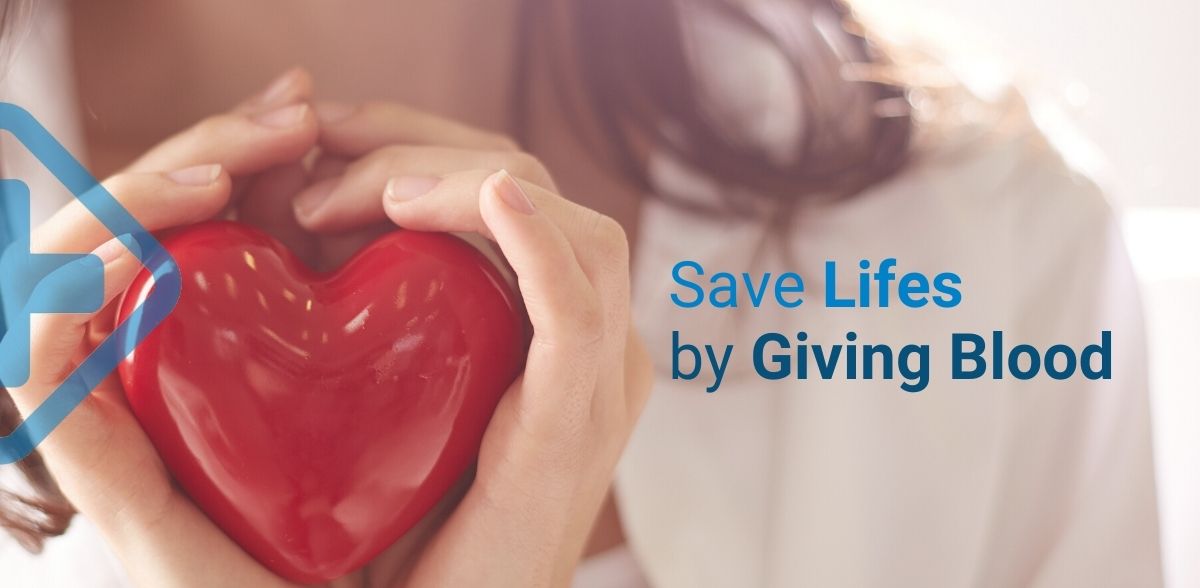
On June 14 is celebrated worldwide as "World Blood Donor Day" to recognize those who voluntarily become donors of a life-saving gift.
A single person's blood donation can help up to 3 patients, by separating their blood into: Red blood cells, Platelets and Plasma.
Why on this date?
It is celebrated on this day because it is the natal day of Karl Landsteiner, a pathologist, and biologist who is attributed with the discovery and classification of ABO blood groups in 1900.
Why donate blood?
A healthy person has the ability to restore lost blood in up to 60 days, helping many patients who need a compatible donor to treat their needs.
It's a short process, and with sterile, disposable products used during the collection, your health is not compromised.
How often can you donate?
- Men can donate 4 times per year (With a minimum of 3 months between each donation for both).
- Women 3 donations per year (With a minimum of 4 months between each donation for both).
- Helps stimulate the production of new cells, red blood cells that carry fresh oxygen in your body.
- Improves the circulation process by allowing more oxygenation in the body's tissues.
- Improves blood flow. Therefore, there is a less arterial blockage and less risk of heart attack and stroke.
Blood is an essential element for the treatment of:
- Women with bleeding associated with pregnancy and childbirth.
- Children suffering from severe anemia.
- Victims of trauma, emergencies, accidents, and disasters.
- Patients undergoing advanced medical and surgical procedures.
- Patients with hematological and bone marrow disorders.
- Hereditary hemoglobin and immunodeficiency disorders.
- Among others.
If you're in good health, of course, you can! Most people can, but there are some guidelines to follow. Here are some basic requirements shared by the World Health Organization (WHO) to be a candidate for blood donation:
Age: Between 18 and 65 years old
Weight: At least 110.23 pounds
Height: At least 4.92 ft
The donation will be permanently discontinued in people who have ever:
- Have had a positive test for HIV (AIDS virus).
- Have injected themselves with drugs.
- You cannot donate when you have a cold, flu, sore throat, active allergies, mouth sores, or infections.
- After having a tattoo or piercing, you must wait 6 months before you can donate (if the piercing was done by a registered health care professional and the inflammation disappears completely, you can donate blood after 12 hours).
- If you have had a minor dental procedure, you must wait 24 hours to donate, and if you have had a major dental procedure, you must wait one month.
- If you do not have the minimum hemoglobinemia required for donation, you should not donate blood. (The test will be done at the place where you will donate. Many countries require, a hemoglobin level of not less than 12.0 g/dl for females and not less than 13.0 g/dl for males as the threshold).
Behavior
- If you think you had "unsafe" sex in the past 12 months, you should not give blood.
Other behavioral criteria can vary from country to country, such as:
Pregnacy and lactationAfter pregnancy, you must wait to be a donor for as many months as the pregnancy.
It is not recommended to donate blood while you are breastfeeding.
If you are hypertensive or diabetic, you CAN be a blood donor, as long as you have a medical certificate that says that you are not at risk (insulin-dependent persons may NOT donate).
To donate blood in Los Cabos you can go to the collection point closest to you.
Where to Go to Donate Blood in Los Cabos?
In Cabo San Lucas: Cabo San Lucas General Hospital Hours: Tuesdays and Thursdays from 7:30 am Address: Calle Los Pinos S / N, Colonia Arcos del Sol I, 23474 Cabo San Lucas, BCS Phone: 624 146 4356
In La Paz: Cabo San Lucas General Hospital Hours: Monday to Friday 8:00 a.m. - 7:00 p.m., Saturday and Sunday 8:00 a.m. - 6:30 p.m. Address: Calle Nicolás Bravo Esq. Josefa Ortiz de Domínguez Col. Centro, La Paz B.C.S. Ground Floor of the Tower Attached to the old General Hospital Juan María de Salvatierra. Phone: 612 125 4011
How is the Process?
Medical Interview: The doctor on duty will ask you some questions to complete your medical history, please be honest in your answers, since the quality of the blood depends on that.
General Checkup: During the interview the doctor will perform a general checkup to assess whether you are a candidate to donate.
Blood Collection: If there are no contraindications, you will be guided to a sterilized room where you will be asked to take a seat, make yourself comfortable and proceed to clean the area of your arm where the blood will be drawn and with that, the extraction will begin. This process will take around 10-15 minutes.
At the End: Once the donation has concluded, you should rest for a few minutes and have a snack that will be provided there to avoid dizziness.Ask your local, or national health center, or in America's Blood Centers if there are any extra rules about medication, profession, travel history, etc. that may affect your blood donation.
FREQUENTLY ASKED QUESTIONS
Does donating blood hurt?
You’ll only feel a slight discomfort when the needle is inserted. The process is quick and safe.
Can I catch any disease from donating blood?
No. All materials (needles, bags, tubes) are new, sterile, and disposable.
Can I eat before donating?Yes, you can have a light breakfast or meal, avoiding fatty foods and dairy. If you’ve eaten within the last 4 hours, you can still donate.
Should I come fasting?
No. Avoid prolonged fasting (more than 12 hours); coming without eating may cause dizziness or fainting.
What if I have tattoos or piercings?
You can donate 12 months after getting them, as long as they have completely healed.
Can I donate if I have a cold or am taking antibiotics?
No, you should wait at least 14 days after full recovery.
Can I donate if I am a woman and currently menstruating?
Yes, as long as you feel well and are not anemic.
Can I donate if I have high blood pressure?
Yes, people with controlled hypertension (under medical treatment and with stable pressure) can donate without any problem.
Can I donate if I have diabetes?
Yes, people with controlled diabetes who do not use insulin may donate. Insulin-dependent individuals are not recommended to donate.
What are the basic requirements to donate blood?
Be between 18 and 65 years old, weigh more than 50 kg (110 lbs), be in good health, and present an official photo ID.
How often can I donate blood?
Every 8 weeks for men and every 12 weeks for women (up to 4 times per year).
What are the benefits of donating blood?
It stimulates the production of new cells, improves cardiovascular health, and can help save up to three lives.
Do I receive anything in return?
BlueNetHospitals - Hospital Los Cabos.
There is no financial compensation; donation is voluntary and altruistic. What you receive is the satisfaction of helping others.






Trending Topics
Stroke: Symptoms, Causes & Treatment
Learn how to recognize stroke symptoms, understand its causes, and why emergency treatment can save brain function and lives.
Varicocele
Symptoms, Causes, Diagnosis, and Treatment to Protect Men's Health
Pregnancy infections (TORCH)
Risks, testing, and prevention
Anemia in Women of Reproductive Age
Symptoms, Causes, and Prevention
Health Library
General Medicine
- Do You Need an Appointment with a Specialist?
- call us
- write us
- let's talk

