
Venous Ulcers: Warning Signs and When to See a Specialist
Venous ulcers may be a sign of serious circulation problems. Learn about the symptoms, infection risks, and when to seek care from an angiology and vascular specialist.
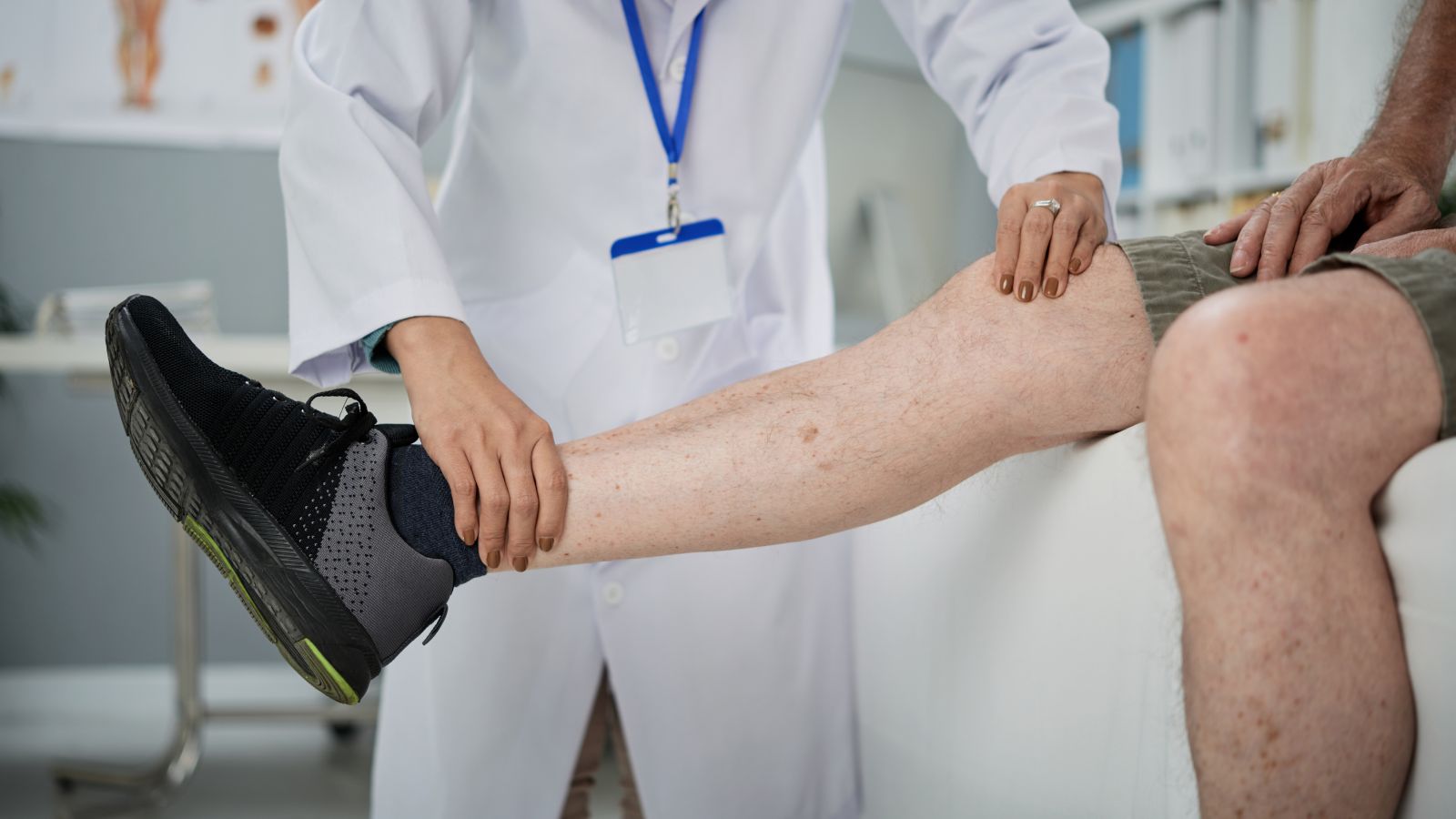
Venous ulcers are wounds that most commonly develop on the lower legs and are usually linked to poor venous circulation. Many people first notice symptoms such as leg heaviness, swelling, or varicose veins, but as venous disease progresses, it can lead to wounds that are difficult to heal.
In addition to the pain and discomfort they cause, venous ulcers can increase the risk of infection if they are not properly treated.
Early diagnosis and evaluation by an angiologist or vascular specialist can help prevent complications and improve quality of life.
What Are Venous Ulcers?Venous ulcers are open sores that develop due to poor blood circulation in the veins of the legs.
This happens when the venous valves stop working properly, causing blood to pool in the lower legs and increasing pressure inside the veins.
Over time, the skin and surrounding tissues weaken, eventually leading to wounds that may take weeks or even months to heal.
They usually appear near the ankles, especially on the inner part of the leg.
Why Do Venous Ulcers Develop?The main cause is chronic venous insufficiency, a common condition in people with circulation problems.
Several factors can increase the risk, including:
-
Varicose veins
-
Family history of venous disease
-
Sitting or standing for long periods
-
Obesity or excess weight
-
Advanced age
-
Previous deep vein thrombosis (DVT)
-
Lack of physical activity
-
Chronic leg swelling
When circulation is impaired, tissues receive less oxygen and fewer nutrients, making it harder for the skin to heal naturally.
Symptoms of a Venous UlcerVenous ulcers usually develop gradually. Before the wound appears, symptoms may include:
-
Swelling in the legs and ankles
-
A feeling of heaviness
-
Pain or burning sensation
-
Itching
-
Skin discoloration
-
Thickening or hardening of the skin
-
Visible varicose veins
Later, an open wound may develop that:
-
Takes a long time to heal
-
Produces drainage or fluid
-
Causes pain or tenderness
-
Has irregular borders
-
May produce a foul odor if infection is present
One of the main risks associated with venous ulcers is infection.
When the skin remains open for a prolonged period, bacteria can easily enter the wound and further delay healing.
Common signs of infection include:
-
Redness around the wound
-
Increased pain
-
More severe swelling
-
Yellow drainage or foul-smelling discharge
-
Warmth around the affected area
-
Fever
If the infection worsens, it may spread into deeper tissues and lead to serious complications.
For this reason, it is important to avoid self-medication or home remedies and seek care from angiology and vascular surgery specialists.
When Should You See an Angiology Specialist?You should seek medical attention if you experience:
-
Leg wounds that heal slowly
-
Frequent swelling
-
Skin changes in the legs
-
Persistent pain
-
Varicose veins accompanied by wounds
-
Drainage or foul odor from the lesion
A vascular specialist can evaluate your circulation and determine the most appropriate treatment to promote healing and reduce the risk of infection.
Treatment for Venous UlcersTreatment depends on the size of the wound, the condition of the circulation, and whether an infection is present.
Common treatment options include:
-
Specialized wound cleaning and care
-
Compression therapy
-
Leg elevation
-
Medications prescribed by a specialist
-
Infection management
-
Treatments for venous insufficiency
-
Minimally invasive procedures in some cases
Compression therapy is often an important part of treatment because it helps improve venous blood flow and reduce swelling.
Can Venous Ulcers Be Prevented?Yes. Early detection and treatment of circulation problems can help reduce the risk of developing venous ulcers.
Some recommendations include:
-
Maintaining a healthy weight
-
Walking regularly
-
Avoiding sitting or standing for long periods
-
Elevating the legs while resting
-
Wearing compression stockings if recommended by your doctor
-
Treating varicose veins early
-
Seeking medical evaluation for persistent symptoms
Prevention and early treatment are essential for protecting vascular health.
Take Care of Your Leg HealthA wound that does not heal may be a sign of an underlying venous circulation problem.
At BlueNetHospitals, our Angiology and Vascular Surgery specialists can help evaluate your vascular health and recommend the most appropriate treatment for your condition.
📲 Book your appointment via WhatsApp
+52 1 624 151 0693
Frequently Asked Questions About Venous Ulcers (FAQ)
-
Can venous ulcers heal?
Yes. With proper treatment and management of venous circulation, many venous ulcers can heal successfully.
-
Are venous ulcers dangerous?
They can become serious if left untreated, especially because of the risk of infection and progressive skin damage.
-
Can varicose veins cause venous ulcers?
Yes. Varicose veins are part of chronic venous disease and may contribute to the development of venous ulcers in advanced stages.
-
Why do venous ulcers take so long to heal?
Poor circulation prevents tissues from receiving enough oxygen and nutrients needed for proper healing.
-
What specialist treats venous ulcers?
An angiologist or vascular surgeon is the appropriate specialist to evaluate circulation problems and recommend the right treatment.
-
How can I tell if a venous ulcer is infected?
Common signs include redness, severe pain, drainage, foul odor, swelling, and fever.





Trending Topics
Stroke: Symptoms, Causes & Treatment
Learn how to recognize stroke symptoms, understand its causes, and why emergency treatment can save brain function and lives.
Varicocele
Symptoms, Causes, Diagnosis, and Treatment to Protect Men's Health
Pregnancy infections (TORCH)
Risks, testing, and prevention
Anemia in Women of Reproductive Age
Symptoms, Causes, and Prevention
Health Library
Angiology
- Do You Need an Appointment with a Specialist?
- call us
- write us
- let's talk

