
Varicose Veins
Also known as varices, Varicose Veins are a disorder beyond aesthetic concerns
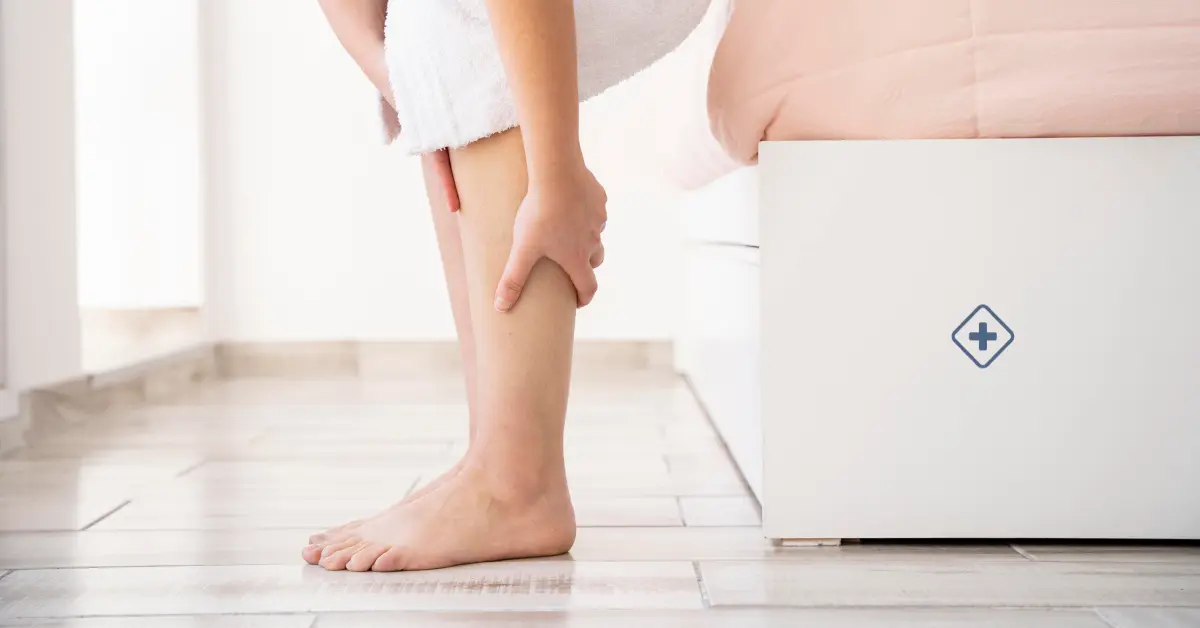
Also known as varices, Varicose Veins are a disorder beyond aesthetic concerns. They affect numerous people worldwide and can cause significant discomfort and health problems to the point of requiring Peripheral Vascular Surgery.
Varices are veins that have become enlarged, twisted, and protrude from the skin's surface. They usually affect the lower extremities, such as the legs and thighs, but can also occur in other body areas.
These dilated veins result from an alteration in blood circulation, where the valves that usually prevent blood from flowing backward in the veins do not function properly. As a result, blood accumulates in the veins, exerting pressure on their walls and causing the characteristic dilation of Varicose Veins.
Symptoms of Varicose Veins
Varicose Veins can present in a variety of symptoms ranging from mild to severe, and these symptoms may include:
-
Pain and discomfort
-
Swelling
-
Fatigue
-
Itching and dryness of the skin
-
Changes in skin appearance
-
Complications
Why Do We Get Varices?
The exact causes of Varicose Veins can vary, but several risk factors contribute to their development. These include:
-
Genetic predisposition: Heredity plays a significant role in the appearance of Varicose Veins. If you have a family history of Varicose Veins, you may be at a higher risk of developing them.
-
Gender: Women are more prone to developing Varicose Veins than men, partly due to hormonal changes associated with pregnancy and female hormones.
-
Age: As we age, our veins can lose elasticity, and venous valves may weaken, increasing the risk of Varicose Veins.
-
Pregnancy: The increased pressure in the pelvic veins during pregnancy and hormonal changes can contribute to the appearance of Varicose Veins in the legs.
-
Lifestyle: Lack of physical activity, standing or sitting for long periods, and obesity can increase the risk of Varicose Veins.
What is the Treatment for Varices?
The treatment of Varicose Veins depends on the severity of the condition and the symptoms experienced. Treatment options may include:
-
Lifestyle changes: This may involve maintaining a healthy weight, exercising regularly, elevating the legs, avoiding standing or sitting for long periods, and wearing compression stockings.
-
Sclerotherapy: This procedure involves injecting a solution into the Varicose Veins to close them and redirect blood flow through healthier veins.
-
Endovenous laser or radiofrequency ablation: These treatments use heat to close the Varicose Veins and redirect blood.
-
Vascular and endovascular surgery: In more severe cases, surgery may be necessary to remove or ligate the Varicose Veins, mainly if they cause complications such as DVT (Deep Vein Thrombosis).
-
Treatment of venous ulcers: Venous ulcers are treated by cleaning and dressing the wound and may require surgery if they do not respond to other treatments.
When Should I See a Doctor?
If you experience symptoms of Varicose Veins that significantly affect your quality of life or have a family history of Varicose Veins, it is essential to seek medical attention. It is especially important to see a doctor, particularly for vascular and endovascular surgery, in the following cases:
-
If you experience severe symptoms, such as bleeding from the Varicose Veins or changes in the skin over the Varicose Veins.
-
If you have complications, such as DVT or venous ulcers.
-
If you are seeking treatment options to improve your quality of life and prevent the progression of Varicose Veins.
-
If you have a family history of Varicose Veins and wish to have an evaluation of your vascular health.
At BlueNetHospitals, you will find a comprehensive approach to diagnosing and treating Varicose Veins, ensuring you receive the personalized care you deserve. Don't let Varicose Veins affect your quality of life. Contact us today and discover how the Peripheral Vascular Surgery team can help you feel better!
BlueNetHospitals
BlueNet Hospitals - Blue Net Hospitals
Health Library
Angiology

- Do You Need an Appointment with a Specialist?
- call us
- write us
- let's talk

