
Gastroenterology
Pancreatitis: Symptoms, Causes, Treatment, and Risks
Learn the warning signs, causes, diagnosis, and treatment of acute and chronic pancreatitis, and when to seek emergency care.
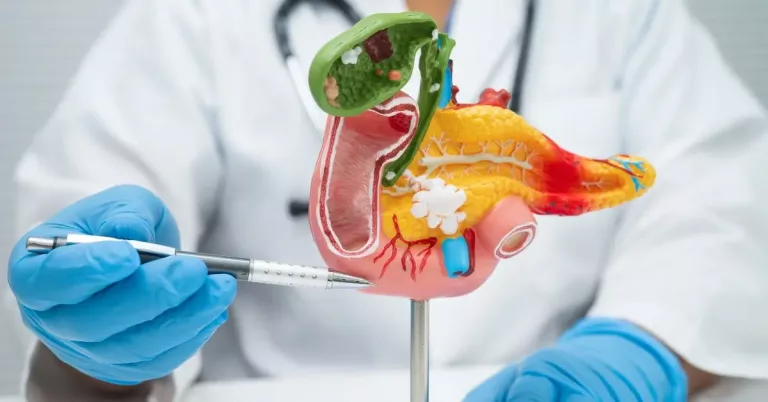
Pancreatitis: Symptoms, Causes, Treatment, and Warning Signs
Pancreatitis is inflammation of the pancreas, an organ located behind the stomach that produces digestive enzymes and hormones such as insulin.
It may begin suddenly as acute pancreatitis or develop gradually as chronic pancreatitis. Both forms can cause serious complications and require appropriate medical evaluation.
Severe upper abdominal pain, especially when it spreads to the back or occurs with persistent vomiting requires immediate medical attention. Do not wait for a scheduled appointment.
What is pancreatitis?
The pancreas produces enzymes that help digest fats, proteins, and carbohydrates. Under normal conditions, these enzymes become active after reaching the small intestine.
During pancreatitis, digestive enzymes and inflammatory processes can damage pancreatic tissue.
There are two main forms:
Symptoms of acute pancreatitis
The most common symptom is severe, persistent pain in the upper abdomen.
Other symptoms may include:
Symptoms of chronic pancreatitis
Chronic pancreatitis may cause:
Greasy stools and weight loss may indicate exocrine pancreatic insufficiency, a condition in which the pancreas no longer produces enough enzymes to digest food properly.
When is pancreatitis an emergency?
Go to the Emergency Department immediately if you experience:
What causes pancreatitis?
Gallstones
Gallstones are among the most common causes of acute pancreatitis. A stone may leave the gallbladder and temporarily block the shared outlet of the bile and pancreatic ducts.
When gallstones cause pancreatitis, treatment may include gallbladder removal to reduce the risk of another episode.
Alcohol use
Heavy or prolonged alcohol consumption is an important cause of pancreatitis, particularly chronic pancreatitis. Not everyone who drinks develops the condition, suggesting that genetic, metabolic, and environmental factors also contribute.
After an alcohol-related episode, avoiding alcohol completely can reduce the risk of recurrence and disease progression.
Very high triglycerides
Severely elevated triglyceride levels can trigger acute pancreatitis. The risk becomes particularly important when concentrations are very high.
In addition to treating the acute episode, patients need a plan to lower their triglycerides and prevent recurrence.
Medications
Certain medications may cause pancreatitis, although this reaction is uncommon. The relationship must be evaluated carefully before a medication is identified as the cause.
Do not stop a prescribed medication without speaking with your doctor.
Bile duct procedures
Pancreatitis can occur after endoscopic retrograde cholangiopancreatography, commonly called ERCP. This complication does not affect every patient, and preventive measures may reduce the risk.
Other possible causes
Pancreatitis may also be associated with:
Risk factors for pancreatitis
Factors that may increase the risk include:
How is pancreatitis diagnosed?
Diagnosis requires a medical evaluation, laboratory testing, and sometimes imaging.
Acute pancreatitis is generally diagnosed when at least two of the following are present:
Tests that may be needed
Blood tests
Blood tests may measure:
Ultrasound can detect gallstones and signs of bile duct obstruction. It is commonly included in the initial evaluation of acute pancreatitis.
Computed tomography
A CT scan can identify inflammation, fluid collections, pancreatic necrosis, and other complications.
A CT scan is not always necessary during the first few hours when the diagnosis is already clear. It may be more useful when the diagnosis is uncertain or the patient does not improve as expected.
MRI and MRCP
Magnetic resonance imaging and magnetic resonance cholangiopancreatography can examine the pancreas, gallbladder, bile ducts, and pancreatic ducts without ionizing radiation.
Endoscopic ultrasound
Endoscopic ultrasound may detect small gallstones, pancreatic lesions, and duct abnormalities that are not always visible on other studies.
Stool tests
For chronic pancreatitis, fecal elastase and other tests may help identify exocrine pancreatic insufficiency.
Treatment for acute pancreatitis
Acute pancreatitis is usually treated in the hospital. Initial treatment focuses on controlling symptoms, maintaining circulation, monitoring organ function, and identifying the cause.
Intravenous fluids
Fluids may be administered intravenously to treat dehydration and maintain adequate circulation.
Fluid therapy must be individualized and monitored. Excessive fluid administration can cause complications, especially in patients with heart or kidney disease.
Pain and nausea control
Pain relievers and anti-nausea medications are selected according to the patient’s symptoms, health, and clinical needs.
Early nutrition
For mild acute pancreatitis, oral feeding should generally resume early—often within the first 24 to 48 hours—when the patient can tolerate it.
Patients do not always need to begin with clear liquids. A low-fat solid diet may be appropriate from the start in selected cases.
If eating by mouth is not possible, nutrition through the digestive tract with a feeding tube is generally preferred over intravenous nutrition.
Keeping every patient without food for several days is no longer considered routine practice.
Antibiotics
Antibiotics are not routinely prescribed to prevent infection, including in patients with sterile pancreatic necrosis.
They are used when an infection is confirmed or strongly suspected, such as cholangitis, infected necrosis, or another bacterial infection.
Monitoring for complications
Moderate or severe pancreatitis may require intensive care to monitor breathing, kidney function, circulation, and other organs.
Treating the underlying cause
ERCP
ERCP allows a specialist to access the bile and pancreatic ducts using an endoscope.
Urgent ERCP may be necessary when biliary pancreatitis occurs with cholangitis. It may also be considered when there is evidence of persistent bile duct obstruction.
It is not routinely performed in every patient with pancreatitis or gallstones.
Gallbladder surgery
For mild gallstone pancreatitis, removal of the gallbladder is generally recommended during the same hospitalization once surgery is considered safe. This reduces the risk of another attack.
When pancreatitis is severe or complicated by fluid collections or necrosis, the timing of surgery may be different.
Treatment for high triglycerides
Treatment may include dietary changes, diabetes management, medication, and other interventions based on the triglyceride level and the patient’s condition.
Avoiding alcohol
Patients with alcohol-related pancreatitis should receive support to stop drinking completely. Specialized treatment may be needed when alcohol dependence is present.
Treatment for chronic pancreatitis
Chronic pancreatitis requires long-term care. Treatment may include:
When exocrine pancreatic insufficiency is present, pancreatic enzyme capsules are taken with meals and snacks.
These enzymes can help:
What can you eat with pancreatitis?
There is no single pancreatitis diet that is appropriate for every patient. The plan depends on whether the disease is acute or chronic, its cause, nutritional status, and whether diabetes or pancreatic insufficiency is present.
Recommendations may include:
Possible complications
Acute pancreatitis may cause:
How to reduce the risk of another episode
After pancreatitis, treating the underlying cause and attending follow-up appointments are essential.
Preventive measures may include:
When should you see a gastroenterologist?
Schedule an evaluation if you have:
Pancreatitis care in Los Cabos
At BlueNetHospitals Los Cabos, our Gastroenterology specialists can evaluate recurrent symptoms, investigate possible causes, and provide follow-up care after an episode of pancreatitis.
Schedule a Gastroenterology appointment
If you have recurrent abdominal pain, unexplained weight loss, greasy stools, or a previous episode of pancreatitis, schedule an evaluation with a gastroenterologist.
📲 Appointments via WhatsApp: +52 (624) 151 0693
If you have severe abdominal pain, persistent vomiting, difficulty breathing, fainting, or yellowing of the skin or eyes, do not wait for a scheduled appointment:
📞 24-hour Emergency Department: +52 (624) 1043 911
Frequently asked questions about pancreatitis
1. What is pancreatitis?
Pancreatitis is inflammation of the pancreas. It may be acute, beginning suddenly, or chronic, causing progressive and permanent damage.
2. What are the main symptoms?
The most characteristic symptom is severe upper abdominal pain that may spread to the back. Nausea, vomiting, fever, abdominal tenderness, and a rapid heartbeat may also occur.
3. What are the most common causes?
Gallstones and heavy alcohol use are important causes. Pancreatitis may also be associated with very high triglycerides, certain medications, genetic conditions, or pancreatic duct problems.
4. Is pancreatitis an emergency?
It can be. Severe and persistent abdominal pain—particularly when accompanied by vomiting, fever, fainting, jaundice, or breathing difficulties—requires immediate medical attention.
5. How is pancreatitis diagnosed?
Diagnosis combines symptoms, pancreatic enzyme levels in the blood, and imaging studies when necessary.
6. Do patients need to stop eating for several days?
Not always. In mild acute pancreatitis, oral feeding is generally restarted early when tolerated.
7. Are antibiotics always necessary?
No. Antibiotics are used when an infection is confirmed or strongly suspected. They are not routinely given to every patient.
8. Can pancreatitis be cured?
Many acute episodes resolve with timely treatment. Chronic pancreatitis causes permanent damage, but its symptoms and complications can be managed.
9. What should someone eat after pancreatitis?
Dietary recommendations must be individualized. In general, patients should avoid alcohol, follow a balanced eating plan, and comply with medical and nutritional guidance.
10. Which specialist treats pancreatitis?
A gastroenterologist diagnoses pancreatitis and coordinates treatment. Depending on the cause and complications, specialists in Endoscopy, General Surgery, Nutrition, or Intensive Care may also be involved.
Pancreatitis is inflammation of the pancreas, an organ located behind the stomach that produces digestive enzymes and hormones such as insulin.
It may begin suddenly as acute pancreatitis or develop gradually as chronic pancreatitis. Both forms can cause serious complications and require appropriate medical evaluation.
Severe upper abdominal pain, especially when it spreads to the back or occurs with persistent vomiting requires immediate medical attention. Do not wait for a scheduled appointment.
What is pancreatitis?
The pancreas produces enzymes that help digest fats, proteins, and carbohydrates. Under normal conditions, these enzymes become active after reaching the small intestine.
During pancreatitis, digestive enzymes and inflammatory processes can damage pancreatic tissue.
There are two main forms:
- Acute pancreatitis: begins suddenly. It may be mild and improve within several days, but it can also become severe and affect the lungs, kidneys, circulation, or other organs.
- Chronic pancreatitis: causes progressive and irreversible damage. Over time, it may interfere with digestion, nutrition, and blood sugar regulation.
Symptoms of acute pancreatitis
The most common symptom is severe, persistent pain in the upper abdomen.
Other symptoms may include:
- Pain that spreads to the back.
- Pain that becomes worse after eating.
- Nausea and vomiting.
- Fever.
- Rapid heartbeat.
- Abdominal tenderness or swelling.
- Weakness.
- Sweating.
- Shortness of breath in severe cases.
- Yellowing of the skin or eyes when a bile duct is blocked.
Symptoms of chronic pancreatitis
Chronic pancreatitis may cause:
- Recurrent or persistent upper abdominal pain.
- Pain that spreads to the back.
- Unintentional weight loss.
- Diarrhea.
- Greasy, pale, bulky, or foul-smelling stools.
- Abdominal bloating.
- Nutritional deficiencies.
- Diabetes.
Greasy stools and weight loss may indicate exocrine pancreatic insufficiency, a condition in which the pancreas no longer produces enough enzymes to digest food properly.
When is pancreatitis an emergency?
Go to the Emergency Department immediately if you experience:
- Severe or constant abdominal pain.
- Pain that spreads to the back.
- Persistent vomiting.
- Inability to drink or keep fluids down.
- Fever with abdominal pain.
- Shortness of breath.
- Confusion, fainting, or severe weakness.
- A very rapid heartbeat.
- Yellowing of the skin or eyes.
- A rigid or severely swollen abdomen.
- Abdominal pain with cold sweats or chest pressure.
What causes pancreatitis?
Gallstones
Gallstones are among the most common causes of acute pancreatitis. A stone may leave the gallbladder and temporarily block the shared outlet of the bile and pancreatic ducts.
When gallstones cause pancreatitis, treatment may include gallbladder removal to reduce the risk of another episode.
Alcohol use
Heavy or prolonged alcohol consumption is an important cause of pancreatitis, particularly chronic pancreatitis. Not everyone who drinks develops the condition, suggesting that genetic, metabolic, and environmental factors also contribute.
After an alcohol-related episode, avoiding alcohol completely can reduce the risk of recurrence and disease progression.
Very high triglycerides
Severely elevated triglyceride levels can trigger acute pancreatitis. The risk becomes particularly important when concentrations are very high.
In addition to treating the acute episode, patients need a plan to lower their triglycerides and prevent recurrence.
Medications
Certain medications may cause pancreatitis, although this reaction is uncommon. The relationship must be evaluated carefully before a medication is identified as the cause.
Do not stop a prescribed medication without speaking with your doctor.
Bile duct procedures
Pancreatitis can occur after endoscopic retrograde cholangiopancreatography, commonly called ERCP. This complication does not affect every patient, and preventive measures may reduce the risk.
Other possible causes
Pancreatitis may also be associated with:
- High calcium levels.
- Smoking.
- Obesity.
- Abdominal trauma.
- Abdominal surgery.
- Genetic variants.
- Autoimmune disease.
- Pancreatic duct obstruction.
- Pancreatic cancer.
- Cystic fibrosis.
- Certain infections.
- Anatomical abnormalities of the pancreas.
Risk factors for pancreatitis
Factors that may increase the risk include:
- Heavy alcohol consumption.
- Smoking.
- Gallstones.
- Very high triglycerides.
- Obesity.
- A family history of pancreatitis.
- Certain genetic variants.
- Previous episodes of pancreatitis.
- Some medications.
- Diseases affecting the pancreatic ducts.
How is pancreatitis diagnosed?
Diagnosis requires a medical evaluation, laboratory testing, and sometimes imaging.
Acute pancreatitis is generally diagnosed when at least two of the following are present:
- Characteristic abdominal pain.
- Lipase or amylase levels typically more than three times the upper limit of normal.
- Imaging findings consistent with acute pancreatitis.
Tests that may be needed
Blood tests
Blood tests may measure:
- Lipase and amylase.
- Kidney function.
- Electrolytes.
- Blood glucose.
- Triglycerides.
- Calcium.
- Liver enzymes and bilirubin.
- Inflammatory markers.
- Blood cell counts.
Ultrasound can detect gallstones and signs of bile duct obstruction. It is commonly included in the initial evaluation of acute pancreatitis.
Computed tomography
A CT scan can identify inflammation, fluid collections, pancreatic necrosis, and other complications.
A CT scan is not always necessary during the first few hours when the diagnosis is already clear. It may be more useful when the diagnosis is uncertain or the patient does not improve as expected.
MRI and MRCP
Magnetic resonance imaging and magnetic resonance cholangiopancreatography can examine the pancreas, gallbladder, bile ducts, and pancreatic ducts without ionizing radiation.
Endoscopic ultrasound
Endoscopic ultrasound may detect small gallstones, pancreatic lesions, and duct abnormalities that are not always visible on other studies.
Stool tests
For chronic pancreatitis, fecal elastase and other tests may help identify exocrine pancreatic insufficiency.
Treatment for acute pancreatitis
Acute pancreatitis is usually treated in the hospital. Initial treatment focuses on controlling symptoms, maintaining circulation, monitoring organ function, and identifying the cause.
Intravenous fluids
Fluids may be administered intravenously to treat dehydration and maintain adequate circulation.
Fluid therapy must be individualized and monitored. Excessive fluid administration can cause complications, especially in patients with heart or kidney disease.
Pain and nausea control
Pain relievers and anti-nausea medications are selected according to the patient’s symptoms, health, and clinical needs.
Early nutrition
For mild acute pancreatitis, oral feeding should generally resume early—often within the first 24 to 48 hours—when the patient can tolerate it.
Patients do not always need to begin with clear liquids. A low-fat solid diet may be appropriate from the start in selected cases.
If eating by mouth is not possible, nutrition through the digestive tract with a feeding tube is generally preferred over intravenous nutrition.
Keeping every patient without food for several days is no longer considered routine practice.
Antibiotics
Antibiotics are not routinely prescribed to prevent infection, including in patients with sterile pancreatic necrosis.
They are used when an infection is confirmed or strongly suspected, such as cholangitis, infected necrosis, or another bacterial infection.
Monitoring for complications
Moderate or severe pancreatitis may require intensive care to monitor breathing, kidney function, circulation, and other organs.
Treating the underlying cause
ERCP
ERCP allows a specialist to access the bile and pancreatic ducts using an endoscope.
Urgent ERCP may be necessary when biliary pancreatitis occurs with cholangitis. It may also be considered when there is evidence of persistent bile duct obstruction.
It is not routinely performed in every patient with pancreatitis or gallstones.
Gallbladder surgery
For mild gallstone pancreatitis, removal of the gallbladder is generally recommended during the same hospitalization once surgery is considered safe. This reduces the risk of another attack.
When pancreatitis is severe or complicated by fluid collections or necrosis, the timing of surgery may be different.
Treatment for high triglycerides
Treatment may include dietary changes, diabetes management, medication, and other interventions based on the triglyceride level and the patient’s condition.
Avoiding alcohol
Patients with alcohol-related pancreatitis should receive support to stop drinking completely. Specialized treatment may be needed when alcohol dependence is present.
Treatment for chronic pancreatitis
Chronic pancreatitis requires long-term care. Treatment may include:
- Avoiding alcohol completely.
- Stopping smoking.
- Personalized pain management.
- Pancreatic enzyme replacement.
- Nutritional support.
- Diabetes treatment.
- Vitamin supplementation when deficiencies are present.
- Endoscopic procedures.
- Surgery in selected cases.
When exocrine pancreatic insufficiency is present, pancreatic enzyme capsules are taken with meals and snacks.
These enzymes can help:
- Improve digestion.
- Reduce greasy stools.
- Restore or maintain body weight.
- Prevent nutritional deficiencies.
What can you eat with pancreatitis?
There is no single pancreatitis diet that is appropriate for every patient. The plan depends on whether the disease is acute or chronic, its cause, nutritional status, and whether diabetes or pancreatic insufficiency is present.
Recommendations may include:
- Avoiding alcohol completely.
- Eating moderate portions.
- Maintaining adequate hydration.
- Dividing food into smaller meals when tolerance is limited.
- Following a balanced diet.
- Taking prescribed pancreatic enzymes with meals and snacks.
- Avoiding highly restrictive diets without medical supervision.
Possible complications
Acute pancreatitis may cause:
- Severe dehydration.
- Respiratory failure.
- Kidney injury.
- Pancreatic necrosis.
- Infection.
- Fluid collections.
- Pancreatic pseudocysts.
- Blood clots.
- Sepsis.
- Multiple organ failure.
- Persistent pain.
- Exocrine pancreatic insufficiency.
- Malnutrition.
- Vitamin deficiencies.
- Osteoporosis.
- Diabetes.
- Bile or pancreatic duct obstruction.
- An increased risk of pancreatic cancer in certain patients.
How to reduce the risk of another episode
After pancreatitis, treating the underlying cause and attending follow-up appointments are essential.
Preventive measures may include:
- Avoiding alcohol.
- Stopping smoking.
- Treating gallstones.
- Controlling triglycerides.
- Maintaining a healthy weight.
- Managing diabetes.
- Taking medication as prescribed.
- Not stopping treatment without medical advice.
- Attending follow-up visits with a gastroenterologist.
When should you see a gastroenterologist?
Schedule an evaluation if you have:
- Recurrent upper abdominal pain.
- A previous episode of pancreatitis.
- Unexplained weight loss.
- Greasy or foul-smelling stools.
- Persistent diarrhea.
- Very high triglycerides.
- A family history of pancreatitis.
- Difficulty controlling blood glucose after pancreatitis.
- A need for follow-up after hospital discharge.
Pancreatitis care in Los Cabos
At BlueNetHospitals Los Cabos, our Gastroenterology specialists can evaluate recurrent symptoms, investigate possible causes, and provide follow-up care after an episode of pancreatitis.
Schedule a Gastroenterology appointment
If you have recurrent abdominal pain, unexplained weight loss, greasy stools, or a previous episode of pancreatitis, schedule an evaluation with a gastroenterologist.
📲 Appointments via WhatsApp: +52 (624) 151 0693
If you have severe abdominal pain, persistent vomiting, difficulty breathing, fainting, or yellowing of the skin or eyes, do not wait for a scheduled appointment:
📞 24-hour Emergency Department: +52 (624) 1043 911
Frequently asked questions about pancreatitis
1. What is pancreatitis?
Pancreatitis is inflammation of the pancreas. It may be acute, beginning suddenly, or chronic, causing progressive and permanent damage.
2. What are the main symptoms?
The most characteristic symptom is severe upper abdominal pain that may spread to the back. Nausea, vomiting, fever, abdominal tenderness, and a rapid heartbeat may also occur.
3. What are the most common causes?
Gallstones and heavy alcohol use are important causes. Pancreatitis may also be associated with very high triglycerides, certain medications, genetic conditions, or pancreatic duct problems.
4. Is pancreatitis an emergency?
It can be. Severe and persistent abdominal pain—particularly when accompanied by vomiting, fever, fainting, jaundice, or breathing difficulties—requires immediate medical attention.
5. How is pancreatitis diagnosed?
Diagnosis combines symptoms, pancreatic enzyme levels in the blood, and imaging studies when necessary.
6. Do patients need to stop eating for several days?
Not always. In mild acute pancreatitis, oral feeding is generally restarted early when tolerated.
7. Are antibiotics always necessary?
No. Antibiotics are used when an infection is confirmed or strongly suspected. They are not routinely given to every patient.
8. Can pancreatitis be cured?
Many acute episodes resolve with timely treatment. Chronic pancreatitis causes permanent damage, but its symptoms and complications can be managed.
9. What should someone eat after pancreatitis?
Dietary recommendations must be individualized. In general, patients should avoid alcohol, follow a balanced eating plan, and comply with medical and nutritional guidance.
10. Which specialist treats pancreatitis?
A gastroenterologist diagnoses pancreatitis and coordinates treatment. Depending on the cause and complications, specialists in Endoscopy, General Surgery, Nutrition, or Intensive Care may also be involved.
Health Library
Gastroenterology



Gastroenterology
Cirrhosis
Cirrhosis can be caused by a variety of diseases and risk factors
Gastroenterology
Crohn's Disease
Crohn's disease can be unpredictable, with periods of remission where symptoms disappear
Gastroenterology
E. coli
The symptoms of an E. coli infection can appear three to four days after exposure
Gastroenterology
Irritable Bowel Syndrome (IBS)
Treatment for IBS focuses on relieving symptoms and improving the quality of life for those who suffer from it.
- Do You Need an Appointment with a Specialist?
- call us
- write us
- let's talk

