
What Is Lupus? Symptoms, Diagnosis & Treatment
Learn the symptoms of lupus, how it's diagnosed, available treatments, and when to see a rheumatologist.
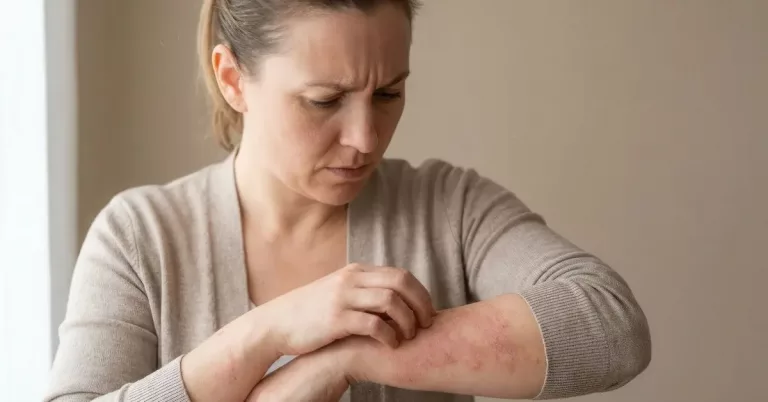
Lupus is a chronic autoimmune disease that can affect nearly every organ and system in the body. While there is currently no cure, advances in early diagnosis and modern treatments allow many people with lupus to lead active, healthy, and fulfilling lives.
One of the biggest challenges with lupus is that its symptoms often vary from person to person and may resemble those of many other conditions. Recognizing the warning signs and seeking evaluation from a rheumatologist as early as possible can help prevent serious complications and improve long-term outcomes.
At BlueNetHospitals, our Rheumatology specialists provide comprehensive diagnosis and personalized treatment for lupus and other autoimmune diseases using the latest evidence-based medical guidelines.
What Is Lupus?Lupus is a chronic, systemic autoimmune disease in which the immune system mistakenly attacks healthy tissues instead of protecting the body against infections.
This abnormal immune response causes inflammation that may damage different organs over time. Since lupus affects each person differently, symptoms and disease severity can vary considerably.
The word lupus comes from the Latin word for "wolf." Historically, physicians used the term because the facial rash seen in some patients resembled the markings on a wolf's face.
Although researchers continue studying the disease, lupus is believed to result from a combination of genetic, hormonal, immunological, and environmental factors rather than a single identifiable cause.
Which Parts of the Body Can Lupus Affect?Lupus is considered a systemic disease because it can involve multiple organs simultaneously.
Commonly affected areas include:
- Skin
- Joints
- Muscles
- Kidneys
- Heart
- Lungs
- Brain and nervous system
- Blood vessels
- Blood cells
Not every patient experiences the same symptoms or organ involvement.
Lupus SymptomsSymptoms may develop gradually or appear suddenly. Many people experience periods of disease activity known as flare-ups, followed by times when symptoms improve or disappear (remission).
Common lupus symptoms include:
- Joint pain and swelling
- Morning stiffness
- Muscle aches
- Persistent fatigue
- Fever without an obvious cause
- Butterfly-shaped facial rash across the cheeks and nose
- Sensitivity to sunlight (photosensitivity)
- Hair loss
- Mouth or nose ulcers
- Fingers or toes turning white, blue, or purple in response to cold or stress (Raynaud's phenomenon)
- Swelling of the legs or around the eyes
- Chest pain when taking deep breaths
- Swollen lymph nodes
- Headaches
- Difficulty concentrating or memory problems ("brain fog")
Because lupus symptoms overlap with many other conditions, an accurate medical evaluation is essential.
What Causes Lupus?The exact cause of lupus remains unknown.
Current scientific evidence suggests that the disease develops through a combination of several risk factors.
Genetic FactorsHaving a family history of lupus or other autoimmune diseases may increase the risk, although most relatives never develop the condition.
Hormonal FactorsLupus is significantly more common in women, particularly during their childbearing years, suggesting that hormones such as estrogen may play a role.
Environmental TriggersCertain environmental factors may trigger lupus or worsen disease activity, including:
- Excessive sun exposure
- Viral infections
- Smoking
- Severe physical or emotional stress
- Certain medications
There are several forms of lupus.
Systemic Lupus Erythematosus (SLE)SLE is the most common type and can affect multiple organs throughout the body.
Cutaneous LupusThis form primarily affects the skin and may cause persistent rashes, particularly in sun-exposed areas.
Major types include:
- Chronic cutaneous lupus (discoid lupus)
- Subacute cutaneous lupus
Some medications can trigger lupus-like symptoms.
Most patients improve after the medication is discontinued under medical supervision.
Neonatal LupusThis rare condition affects some newborns whose mothers carry specific autoantibodies.
Although uncommon, neonatal lupus requires specialized medical monitoring.
How Is Lupus Diagnosed?There is no single test that confirms lupus.
A rheumatologist makes the diagnosis by combining:
- Medical history
- Physical examination
- Blood tests
- Autoimmune antibody testing
- Urinalysis
- Kidney function tests
- Imaging studies when necessary
Frequently ordered laboratory tests include:
- Antinuclear antibodies (ANA)
- Anti-double stranded DNA antibodies (anti-dsDNA)
- Anti-Smith antibodies
- Complement levels (C3 and C4)
- Complete blood count (CBC)
- Erythrocyte sedimentation rate (ESR)
- C-reactive protein (CRP)
Diagnosis follows internationally accepted classification criteria developed by organizations such as the American College of Rheumatology (ACR) and the European Alliance of Associations for Rheumatology (EULAR).
Current Lupus TreatmentAlthough lupus cannot yet be cured, modern therapies can effectively control inflammation, reduce flare-ups, protect organs, and improve quality of life.
Treatment is individualized based on disease severity and the organs involved.
Common treatment options include:
Antimalarial MedicationsHydroxychloroquine remains one of the cornerstone treatments for many people with lupus because it helps reduce disease activity and flare frequency.
Nonsteroidal Anti-Inflammatory Drugs (NSAIDs)NSAIDs may help relieve joint pain and inflammation in selected patients.
CorticosteroidsSteroids are often used to control inflammation during lupus flare-ups, with physicians aiming to use the lowest effective dose for the shortest possible time.
Immunosuppressive MedicationsThese medications help reduce immune system activity when vital organs are affected.
Biologic TherapiesSome patients benefit from biologic medications such as belimumab or anifrolumab, which target specific pathways involved in lupus.
How Can Lupus Flare-Ups Be Prevented?Although flare-ups cannot always be avoided, healthy lifestyle habits can reduce the risk.
Recommendations include:
- Take medications exactly as prescribed.
- Schedule regular follow-up visits with your rheumatologist.
- Wear sunscreen every day.
- Limit excessive sun exposure.
- Avoid smoking.
- Get enough sleep.
- Stay physically active according to your physician's recommendations.
- Eat a balanced, anti-inflammatory diet.
- Manage conditions such as high blood pressure and diabetes.
- Stay up to date with recommended vaccinations.
You should schedule a medical evaluation if you experience:
- Persistent joint pain or swelling
- Unexplained fatigue
- Skin rashes that worsen after sun exposure
- Recurrent fever
- Swelling in the legs
- Color changes in the fingers when exposed to cold
- Frequent mouth ulcers
- Significant hair loss
Early diagnosis can significantly improve long-term health outcomes.
Can Lupus Affect Mental Health?Yes.
Living with a chronic autoimmune disease can increase the risk of anxiety, depression, stress, and emotional challenges.
In some cases, lupus itself can affect the nervous system and contribute to neuropsychiatric symptoms.
For this reason, some patients benefit from psychological counseling or psychiatric support as part of a comprehensive treatment plan coordinated by their rheumatologist.
Living Well with LupusToday, most people with lupus can enjoy a good quality of life thanks to earlier diagnosis, improved medications, and ongoing medical care.
Patient education, treatment adherence, and regular monitoring remain essential for preventing complications and maintaining disease control.
Rheumatology Care in Los CabosAt BlueNetHospitals, our Rheumatology specialists diagnose and treat lupus and other autoimmune diseases using personalized, evidence-based care.
Our multidisciplinary approach focuses on reducing inflammation, protecting organ function, and helping patients maintain the best possible quality of life.
Schedule an Appointment with a RheumatologistIf you have symptoms that may be related to lupus or have already been diagnosed and need specialized care, our team is here to help.
At BlueNetHospitals, our rheumatologists create personalized treatment plans designed to control disease activity and prevent complications.
📲 Schedule your appointment via WhatsApp: +52 (624) 151 0693
Receive expert Rheumatology care in Los Cabos backed by the latest medical evidence.
Frequently Asked QuestionsWhat is lupus?
Lupus is a chronic autoimmune disease in which the immune system mistakenly attacks healthy tissues, causing inflammation and damage to different organs.
What are the early symptoms of lupus?Common early symptoms include fatigue, joint pain, swelling, unexplained fever, skin rashes, photosensitivity, and hair loss.
Is there a cure for lupus?There is currently no cure, but modern treatments can effectively control symptoms, reduce flare-ups, and prevent long-term organ damage.
How is lupus diagnosed?Diagnosis is based on a combination of medical history, physical examination, blood tests, autoimmune antibody testing, and other studies performed by a rheumatologist.
Who is most likely to develop lupus?Lupus most commonly affects women between the ages of 15 and 45, although it can occur in men, children, and older adults.
Can lupus affect organs besides the joints?Yes. Lupus can affect the skin, kidneys, heart, lungs, brain, blood vessels, and other organs, making specialized medical care essential.
Where can I receive lupus treatment in Los Cabos?At BlueNetHospitals, our Rheumatology specialists provide comprehensive diagnosis, treatment, and long-term management for lupus and other autoimmune diseases.







Trending Topics
Stroke: Symptoms, Causes & Treatment
Learn how to recognize stroke symptoms, understand its causes, and why emergency treatment can save brain function and lives.
Varicocele
Symptoms, Causes, Diagnosis, and Treatment to Protect Men's Health
Pregnancy infections (TORCH)
Risks, testing, and prevention
Anemia in Women of Reproductive Age
Symptoms, Causes, and Prevention
Health Library
Rheumatology
- Do You Need an Appointment with a Specialist?
- call us
- write us
- let's talk

