
Psychology
Bipolar Disorder: 4 Signs You Should Know
Learn to recognize some of its main symptoms and when to seek support.
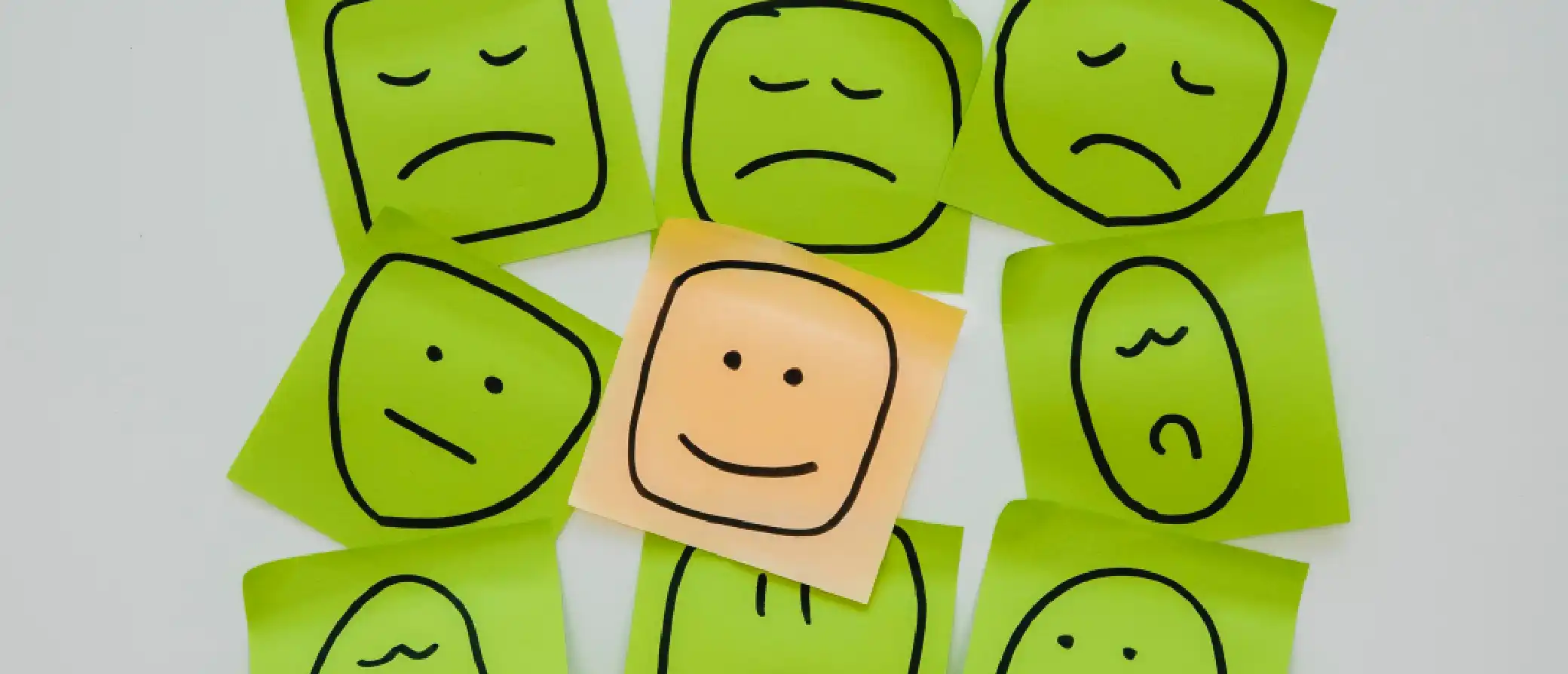
Bipolar disorder is a mental health condition that can cause episodes of mania or hypomania and depression, accompanied by significant changes in mood, energy, and activity levels. These episodes can affect sleep, concentration, personal relationships, work, and other everyday activities. Recognizing some of the signs can help identify when it may be important to seek a professional evaluation.
Learn 4 signs of bipolar disorder and when it may be time to seek help.
What Are the Signs of Bipolar Disorder?
Some signs may occur during episodes of mania or hypomania, such as having much more energy than usual, sleeping less without feeling tired, talking faster, experiencing racing thoughts, or engaging in impulsive or risky behaviors. During depressive episodes, a person may experience persistent sadness, loss of interest, low energy, difficulty concentrating, and changes in sleep or appetite.
1. Significant Changes in Mood and Energy
A person may experience periods of unusually elevated, euphoric, or irritable mood accompanied by a significant increase in energy and activity.
These changes may differ from typical mood fluctuations and may also be noticed by family members or people close to the individual.
2. Less Need for Sleep
During an episode of mania or hypomania, a person may sleep much less than usual without feeling tired the following day.
This is important because it is not simply a matter of having a poor night’s sleep. It represents a noticeable change from the person’s usual sleep pattern and may occur alongside increased energy or activity.
3. Racing Thoughts and Rapid Speech
During episodes of mania or hypomania, a person may experience racing thoughts, difficulty concentrating, and a faster-than-usual pace of speech.
They may quickly jump from one idea to another or talk about many different topics at once.
4. Impulsive or Risky Behaviors
During a manic episode, some people may make impulsive decisions or engage in behaviors that put themselves at risk.
For example:
Bipolar disorder is not characterized only by periods of high energy. It can also involve depressive episodes.
During these episodes, a person may experience:
Not every change in mood means that a person has bipolar disorder.
Bipolar disorder involves episodes of significant changes in mood, energy, and activity that last for specific periods of time and can substantially affect everyday life. Diagnosis requires a professional evaluation that considers symptoms, their duration and frequency, personal and family history, and other factors.
When Should You See a Mental Health Professional?
If you or someone close to you experiences significant and persistent changes in mood, energy, sleep, or behavior, seeking a professional evaluation is recommended.
You do not have to wait until symptoms seriously interfere with your life before asking for help.
Bipolar disorder cannot be diagnosed based solely on isolated symptoms or an online checklist. A professional must evaluate the person’s overall symptoms and medical history.
Is Bipolar Disorder Treatable?
Yes. Bipolar disorder can be treated, and there are different options available to help manage symptoms and reduce the risk of future episodes.
Treatment may include medication and psychotherapy or psychosocial interventions, depending on each person’s needs. The World Health Organization recognizes that effective treatment options are available and that treatment can help people lead fulfilling and productive lives.
Taking Care of Your Mental Health Matters
If you or someone close to you is experiencing significant changes in mood, sleep, energy, or behavior, seeking professional guidance can be an important first step.
At BlueNet Hospitals, you can receive care from a Psychology specialist who can evaluate your situation and guide you through the available care options.
BlueNet Hospitals
Frequently Asked Questions
1. What are the main signs of bipolar disorder?
Some signs include periods of unusually elevated or irritable mood, increased energy, a decreased need for sleep, racing thoughts, rapid speech, and impulsive or risky behaviors. Depressive episodes may also occur, involving sadness, loss of interest, and low energy.
2. Does having mood swings mean I have bipolar disorder?
No. Mood changes are common and can have many different causes. Bipolar disorder involves distinct episodes of significant changes in mood, energy, and activity that can affect everyday life. Only a qualified professional can provide an appropriate diagnosis.
3. How is bipolar disorder diagnosed?
Diagnosis involves a professional evaluation that considers symptoms, their duration and frequency, personal and family history, and other factors that may explain changes in mood. There is no single laboratory test that can diagnose bipolar disorder on its own.
4. Is bipolar disorder treatable?
Yes. Effective treatments are available and may combine medication with psychological support or psychosocial interventions. With appropriate treatment, many people can manage their symptoms and improve their quality of life.
Learn 4 signs of bipolar disorder and when it may be time to seek help.
What Are the Signs of Bipolar Disorder?
Some signs may occur during episodes of mania or hypomania, such as having much more energy than usual, sleeping less without feeling tired, talking faster, experiencing racing thoughts, or engaging in impulsive or risky behaviors. During depressive episodes, a person may experience persistent sadness, loss of interest, low energy, difficulty concentrating, and changes in sleep or appetite.
1. Significant Changes in Mood and Energy
A person may experience periods of unusually elevated, euphoric, or irritable mood accompanied by a significant increase in energy and activity.
These changes may differ from typical mood fluctuations and may also be noticed by family members or people close to the individual.
2. Less Need for Sleep
During an episode of mania or hypomania, a person may sleep much less than usual without feeling tired the following day.
This is important because it is not simply a matter of having a poor night’s sleep. It represents a noticeable change from the person’s usual sleep pattern and may occur alongside increased energy or activity.
3. Racing Thoughts and Rapid Speech
During episodes of mania or hypomania, a person may experience racing thoughts, difficulty concentrating, and a faster-than-usual pace of speech.
They may quickly jump from one idea to another or talk about many different topics at once.
4. Impulsive or Risky Behaviors
During a manic episode, some people may make impulsive decisions or engage in behaviors that put themselves at risk.
For example:
- Spending large amounts of money
- Making impulsive decisions
- Engaging in risky sexual behaviors
- Using substances
- Taking part in dangerous activities
Bipolar disorder is not characterized only by periods of high energy. It can also involve depressive episodes.
During these episodes, a person may experience:
- Deep sadness
- Feelings of hopelessness
- Loss of interest in activities
- Low energy
- Difficulty concentrating
- Changes in sleep
- Changes in appetite or weight
- Feelings of guilt or low self-esteem
- Thoughts about death or suicide
Not every change in mood means that a person has bipolar disorder.
Bipolar disorder involves episodes of significant changes in mood, energy, and activity that last for specific periods of time and can substantially affect everyday life. Diagnosis requires a professional evaluation that considers symptoms, their duration and frequency, personal and family history, and other factors.
When Should You See a Mental Health Professional?
If you or someone close to you experiences significant and persistent changes in mood, energy, sleep, or behavior, seeking a professional evaluation is recommended.
You do not have to wait until symptoms seriously interfere with your life before asking for help.
Bipolar disorder cannot be diagnosed based solely on isolated symptoms or an online checklist. A professional must evaluate the person’s overall symptoms and medical history.
Is Bipolar Disorder Treatable?
Yes. Bipolar disorder can be treated, and there are different options available to help manage symptoms and reduce the risk of future episodes.
Treatment may include medication and psychotherapy or psychosocial interventions, depending on each person’s needs. The World Health Organization recognizes that effective treatment options are available and that treatment can help people lead fulfilling and productive lives.
Taking Care of Your Mental Health Matters
If you or someone close to you is experiencing significant changes in mood, sleep, energy, or behavior, seeking professional guidance can be an important first step.
At BlueNet Hospitals, you can receive care from a Psychology specialist who can evaluate your situation and guide you through the available care options.
BlueNet Hospitals
Frequently Asked Questions
1. What are the main signs of bipolar disorder?
Some signs include periods of unusually elevated or irritable mood, increased energy, a decreased need for sleep, racing thoughts, rapid speech, and impulsive or risky behaviors. Depressive episodes may also occur, involving sadness, loss of interest, and low energy.
2. Does having mood swings mean I have bipolar disorder?
No. Mood changes are common and can have many different causes. Bipolar disorder involves distinct episodes of significant changes in mood, energy, and activity that can affect everyday life. Only a qualified professional can provide an appropriate diagnosis.
3. How is bipolar disorder diagnosed?
Diagnosis involves a professional evaluation that considers symptoms, their duration and frequency, personal and family history, and other factors that may explain changes in mood. There is no single laboratory test that can diagnose bipolar disorder on its own.
4. Is bipolar disorder treatable?
Yes. Effective treatments are available and may combine medication with psychological support or psychosocial interventions. With appropriate treatment, many people can manage their symptoms and improve their quality of life.







Trending Topics
Stroke: Symptoms, Causes & Treatment
Learn how to recognize stroke symptoms, understand its causes, and why emergency treatment can save brain function and lives.
Varicocele
Symptoms, Causes, Diagnosis, and Treatment to Protect Men's Health
Pregnancy infections (TORCH)
Risks, testing, and prevention
Anemia in Women of Reproductive Age
Symptoms, Causes, and Prevention
Health Library
Psychology
- Do You Need an Appointment with a Specialist?
- call us
- write us
- let's talk

